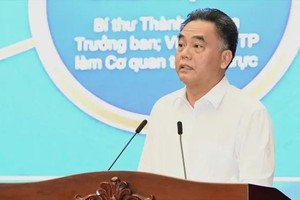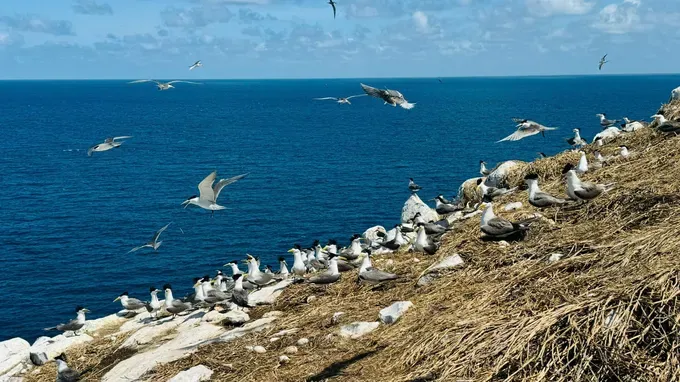
The Ho Chi Minh City Institute for Development Studies on June 27 held a scientific workshop titled “Development Strategy for Con Dao Special Zone to 2035, Vision to 2050.
At the event, experts discussed long-term development orientations for Con Dao, emphasizing sustainability, environmental protection and heritage preservation.
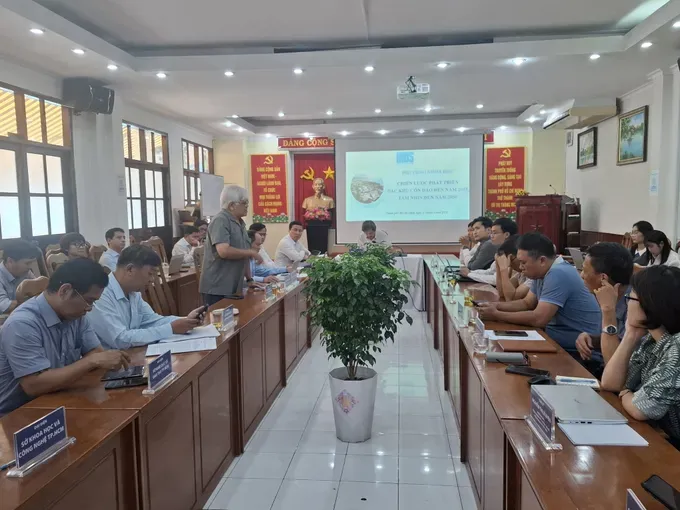
Dr. Nguyen Chi Thanh, Vice President of the Vietnam Wetlands Association, said that development planning should incorporate guidance from Ho Chi Minh City People’s Committee Chairman Nguyen Van Duoc as a foundation for both theoretical and practical strategies. He proposed positioning Con Dao as an “eco-tourism and spiritual paradise”, built on three pillars, including a green, smart and livable island, ensuring sustainable development while preserving the island for future generations.
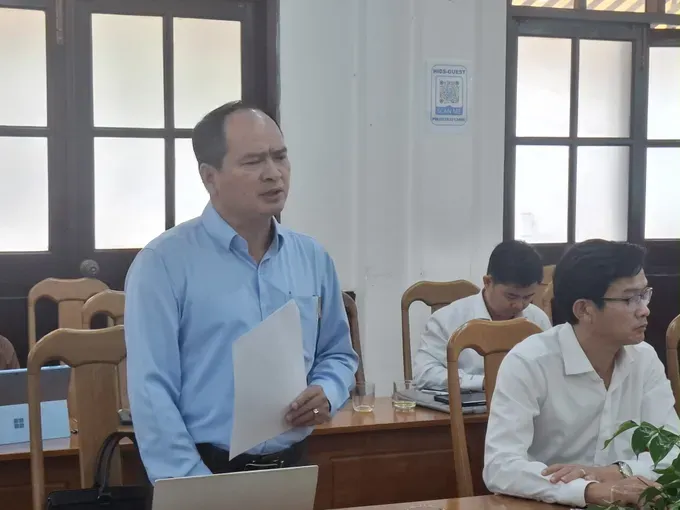
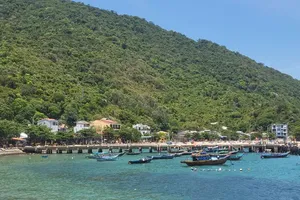
Nguyen Khac Pho, Director of Con Dao National Park, said that the archipelago consists of 16 islands with a total area of nearly 7,600 hectares. Of this, 5,890 hectares are managed as special-use forest land by the national park, while 655.7 hectares are protected forest under the Con Dao Special Zone administration. The island’s forest and vegetation coverage reaches 79 percent, rising to 92 percent within the national park area.
He stressed that maintaining landscape integrity and high forest coverage is essential for realizing the “green and smart island” vision, along with strict management of existing land resources. He also warned against real estate development driven by speculation, noting that Con Dao’s limited land, ecological value and historical significance make such models unsuitable.
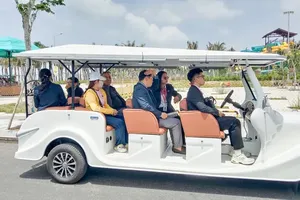
Tran Thanh Binh, Deputy Director of the Ho Chi Minh City Institute for Development Studies, said that environmental protection and climate change adaptation are key prerequisites for Con Dao’s long-term sustainable development. He added that the island should aim to become a “net-zero island” model, increasing renewable energy use, promoting green transport and improving energy efficiency while developing a comprehensive emissions inventory system.
He also emphasized the need to strengthen air and sea transport capacity to improve accessibility for tourists, investors and residents. Instead of functioning as an isolated destination, Con Dao should be integrated into regional tourism routes linking historical, cultural, ecological and community-based travel experiences.