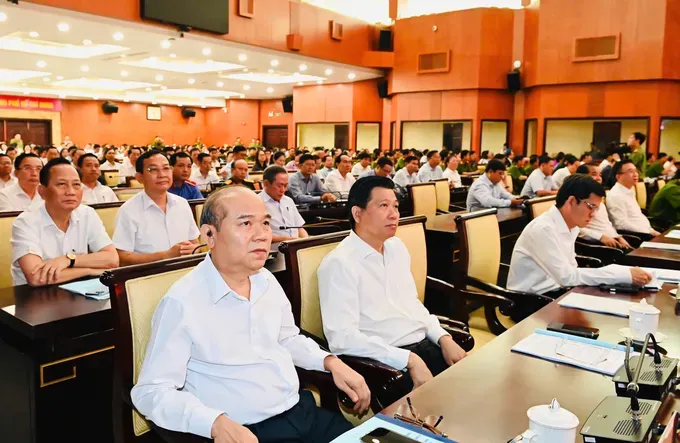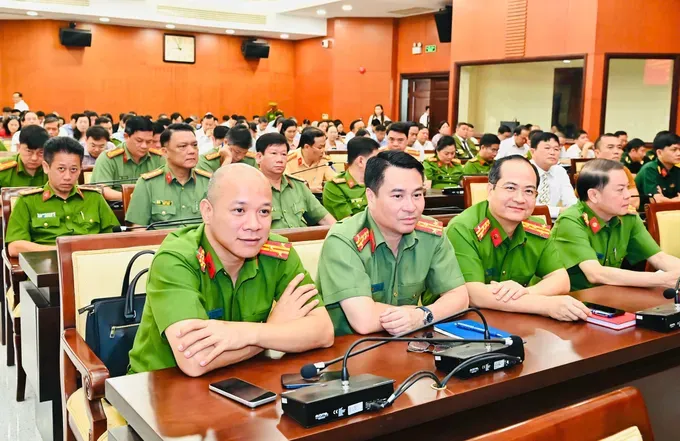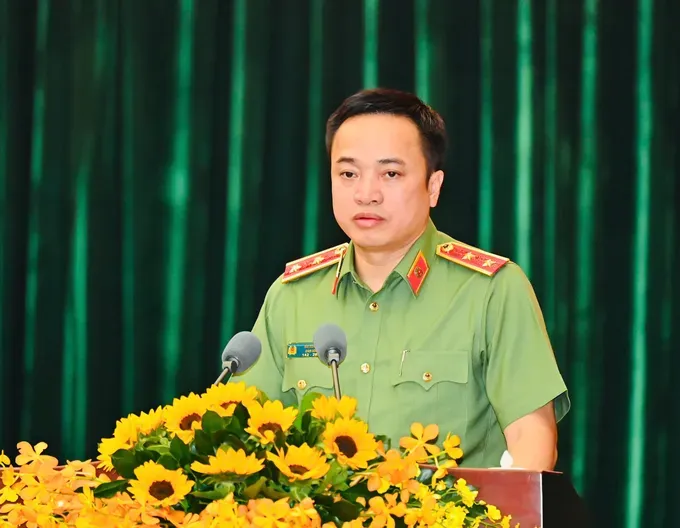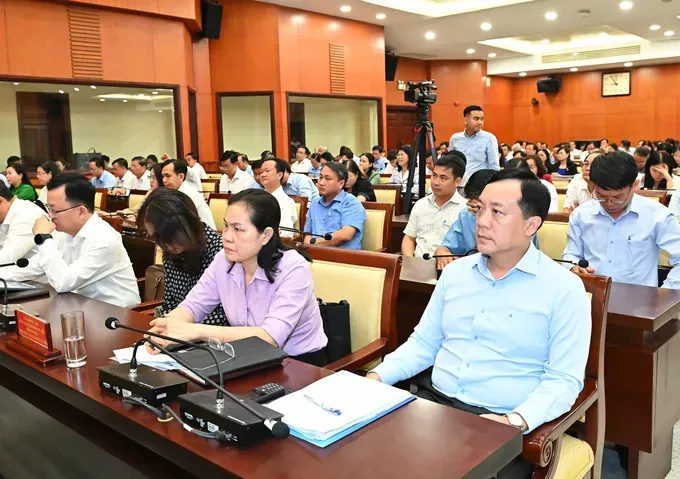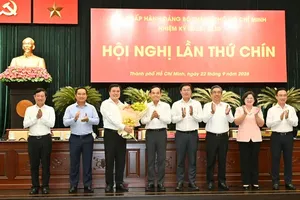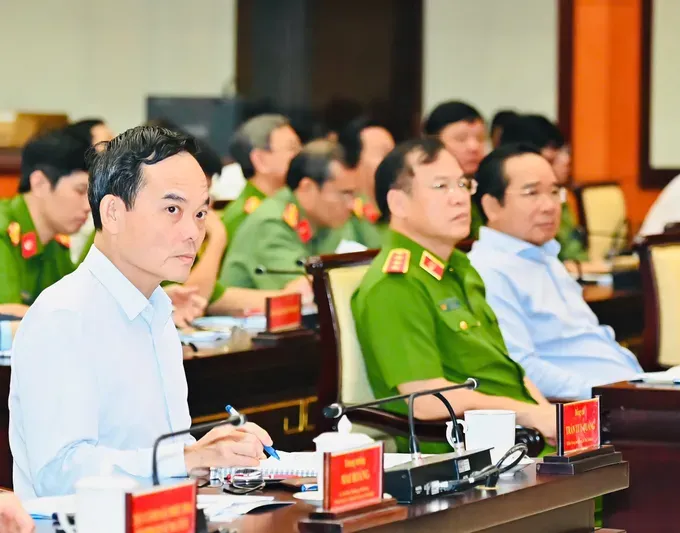
On December 30, the Ho Chi Minh City Party Committee held a conference to review 15 years of implementing Directive 48-CT/TW of the 10th Politburo on “Strengthening the Party’s Leadership in Crime Prevention and Control in the New Situation” and to disseminate and implement Resolution 02-NQ/TU of the Executive Committee of the Ho Chi Minh City Party Committee on enhancing the effectiveness of crime and drug prevention efforts, with the goal of building a drug-free Ho Chi Minh City by 2030.
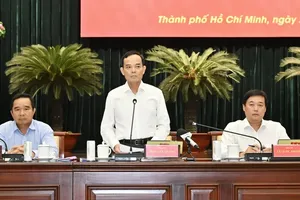
The conference was attended and directed by Secretary of the Ho Chi Minh City Party Committee Tran Luu Quang.
Representing the Ministry of Public Security was Senior Lieutenant General Nguyen Van Long, Deputy Minister of Public Security, along with leaders from various departments and specialized units of the ministry.
Ho Chi Minh City leadership included Chairman of the Ho Chi Minh City People’s Committee Nguyen Van Duoc; Vice Secretary of the City Party Committee Dang Minh Thong; Lieutenant General Mai Hoang, Director of the Ho Chi Minh City Department of Public Security; together with other members of the Party Standing Committee, City Party Committee members, and leaders of municipal departments, wards, communes, and special zones.
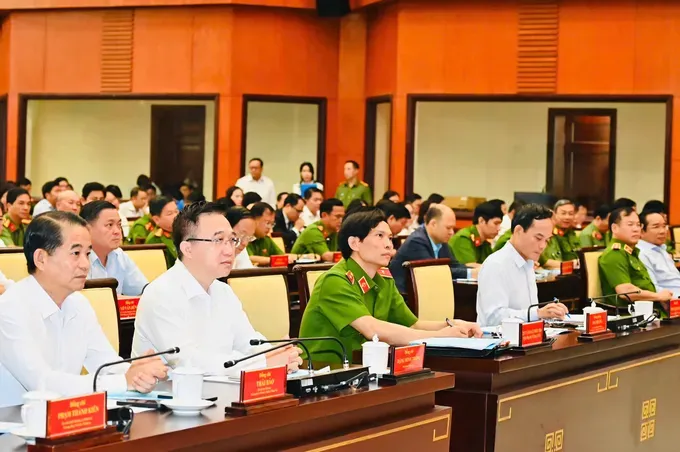
The conference was conducted in a hybrid format, combining in-person sessions with online participation across 200 sites throughout Ho Chi Minh City.
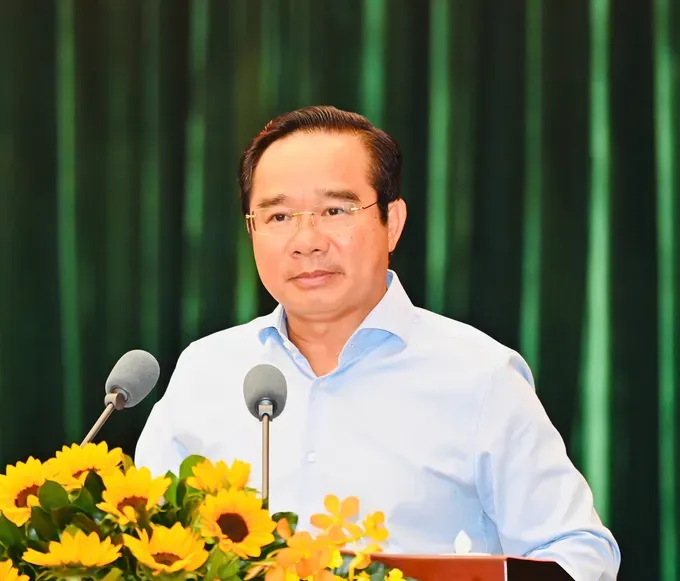
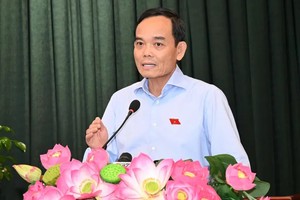
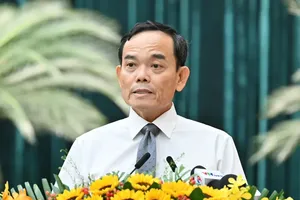
At the conference, Chairman of the Ho Chi Minh City People’s Committee Nguyen Van Duoc outlined Resolution 02 of the Executive Committee of the Ho Chi Minh City Party Committee, aimed at enhancing the effectiveness of crime and drug prevention efforts, to build a drug-free Ho Chi Minh City by 2030.
The Chairman of the Ho Chi Minh City People’s Committee emphasized the need to strengthen comprehensive leadership and direction from Party committees and government authorities while fully promoting the supervisory role of the City People’s Council, the Vietnam Fatherland Front, and other socio-political organizations.
He also highlighted the importance of exemplary responsibility among officials and Party members, calling for strict handling of all drug-related violations with no “forbidden zones” or exceptions.
He stressed the expansion of social prevention measures, reduction of drug demand, and integration with social welfare, education, vocational training, and employment opportunities. Ho Chi Minh City also provides support for individuals recovering from addiction to reintegrate into the community.
In addition, efforts will be intensified to enhance the effectiveness of law enforcement and reduce the supply of drugs, with the police force playing a central role. Authorities will strictly manage localities, individuals, and businesses subject to regulatory controls.
Functional units are committed to dismantling drug networks at their roots, targeting ringleaders, and rigorously handling all cases from trafficking to illegal drug use.
Ho Chi Minh City is stepping up efforts to improve the quality of drug rehabilitation and the management of drug users and those using illegal substances. This includes modernizing treatment methods and enhancing medical, psychological, and vocational support for individuals post-rehabilitation, with the aim of effectively reducing relapse rates.
Additionally, the city is ensuring sufficient investment in infrastructure, equipment, and personnel. Each ward and commune is required to have a medical facility capable of assessing addiction status, with budget priorities given to high-risk areas and frontline personnel.
The Chairman of the Ho Chi Minh City People’s Committee also emphasized measures to strengthen inter-agency and inter-locality coordination, international cooperation, and the application of science, technology, and digital transformation to support modern and effective drug management, forecasting, and prevention efforts.