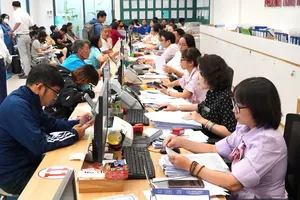
Ho Chi Minh City is intensifying efforts to ensure all fishing vessels operate legally, combining strict management with direct support for fishermen to comply with anti-IUU fishing regulations set by the European Commission (EC) as more than 400 vessels are still lacking proper documentation.
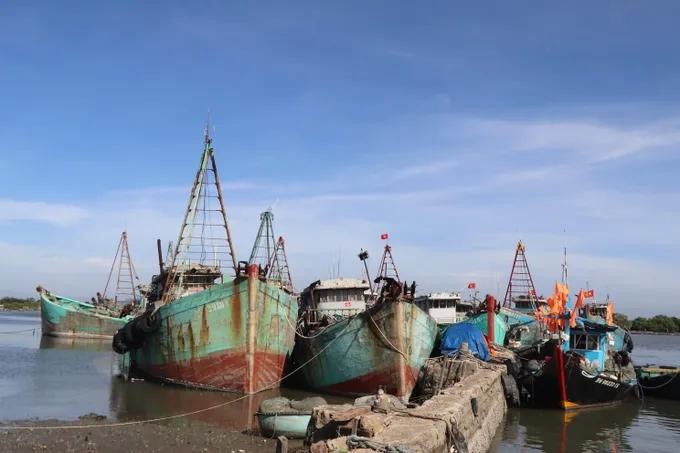
According to local reviews, the city currently has over 400 fishing vessels that do not yet meet the legal requirements for maritime operations. The main obstacles include expired registrations, missing or inappropriate fishing licenses, lack of vessel monitoring systems (VMS), absence of food safety and technical safety certificates, or non-compliance with designated fishing zones. These are all mandatory conditions under national laws and international regulations against illegal, unreported, and unregulated fishing.
Many of these vessels have been operating stably for years. However, with stricter enforcement of regulations, many fishermen have found it difficult to complete legal documentation. As a result, several vessels have been forced to remain ashore for extended periods, affecting livelihoods and placing additional pressure on local management.
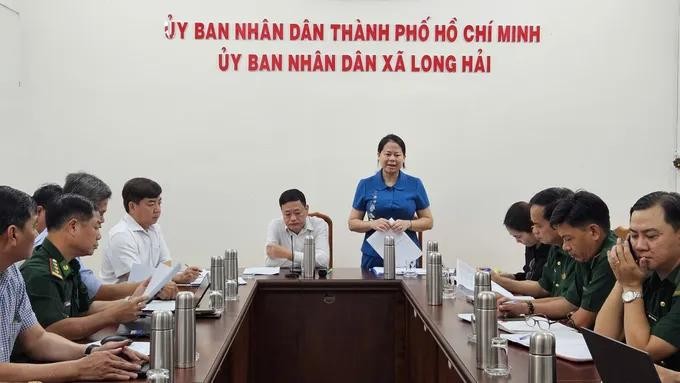
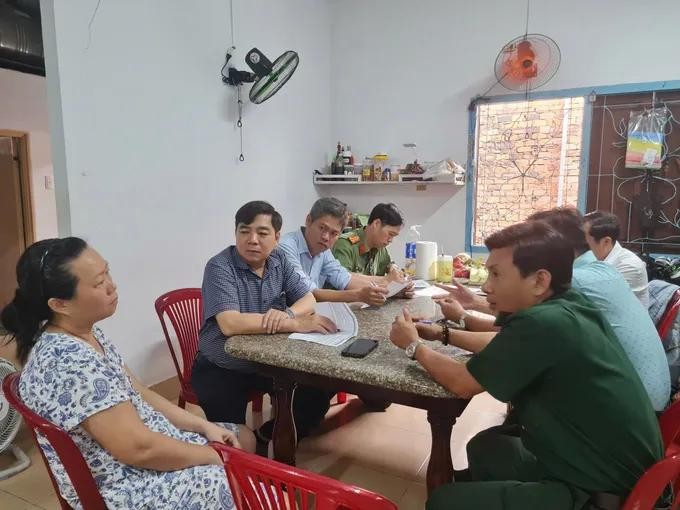
In Phuoc Hai Commune, one of the areas with many non-compliant vessels, local authorities have adopted an approach focused on closeness to the people. Instead of relying solely on inspections and administrative penalties, the commune has organized “Morning Coffee with Fishermen” sessions, inviting relevant departments and enforcement agencies to listen and provide direct guidance for each case. Through this model, issues related to registration, licensing, and fishing zones are classified clearly for appropriate solutions.
Pham Thi Tuyet Trinh, Chairwoman of the Phuoc Hai Commune People’s Committee, said: “We are reviewing each vessel, guiding fishermen to complete their documents in line with regulations, and compiling proposals concerning fishing zone inconsistencies to report for higher-level consideration and adjustment. For vessels that are still non-compliant, the commune strictly requires them to anchor at designated locations under regular supervision and prohibits unauthorized departures.”
Beyond Phuoc Hai, other coastal localities in the city have also adopted flexible yet rigorous management models. In Phuoc Thang Ward, a “Non-Compliant Vessel Management Team” was established to conduct daily monitoring through images and GPS coordinates. The locality is focusing on helping 18 non-compliant vessels obtain proper documentation by working directly with fishermen and guiding them through required administrative procedures.
A shared goal across localities is to ensure strict compliance to prevent IUU violations while helping fishermen feel supported in operating legally and confidently. Communication and guidance are carried out through a hands-on approach, especially assisting older vessel owners who face difficulties with administrative processes.
In Long Hai Commune, the city’s largest fishing fleet, with 224 vessels yet to meet legal standards, a 24/7 “Rapid Response Team” has proven effective. Local officials visit each household to review documentation, remind them of registration and licensing deadlines, and assist fishermen in completing their paperwork.
Alongside these local initiatives, Ho Chi Minh City has strengthened inter-agency inspections and supervision. The city has set up a special inspection team to oversee non-compliant fishing vessels, bringing together border guards, agricultural and environmental officials, police, and local authorities. Inspections focus on anchoring locations, documentation status, and the management responsibilities of each locality.
Findings reveal that many unqualified vessels are anchored outside the city’s jurisdiction or have changed ownership without completing legal transfers. Some localities have lost contact with vessel owners, complicating management and raising risks of IUU violations.
To address this issue, Ho Chi Minh City is coordinating with neighboring coastal provinces to review and transfer management responsibilities in accordance with jurisdiction, ending prolonged overlaps or “ownerless vessel” situations.
Pham Thi Na, Deputy Director of the Department of Agriculture and Environment of Ho Chi Minh City and Deputy Head of the inspection team for fishing vessels not meeting operating conditions in the city, affirmed: “The review and handling of non-compliant fishing vessels will be carried out thoroughly, leaving no cases unchecked or repeated. This is not only a key management requirement but also a strong commitment from Ho Chi Minh City to implementing EC recommendations on combating IUU fishing.”
The city’s ongoing efforts reflect a more practical and balanced approach by tightening legal discipline while accompanying and supporting fishermen. By strengthening management from the root, including vessels, documentation, and fishing practices, the city aims not only to remove the EC’s yellow card warning but also to build a responsible and sustainable fishing industry for the future.