The year of 2025 marked a significant milestone for Ho Chi Minh City’s healthcare sector as the city has developed into a mega-urban area of more than 14 million people. Major reforms in system organization, infrastructure investment, specialized development and digital transformation have created notable milestones, contributing to improved quality of healthcare services for the public.
1. Healthcare system expansion toward a multi-tiered, multi-polar, multi-center ecosystem
From July 1, 2025, following the merger of the healthcare systems with Binh Duong and Ba Ria–Vung Tau, Ho Chi Minh City’s healthcare sector began operating on the scale of a mega-metropolis of more than 14 million residents, the largest in the country.
In response to new requirements, the city’s health sector has restructured into a multi-tier, multi-polar, multi-center ecosystem, integrating hospital expansion, specialist rotations, emergency satellites and technology transfer to optimize system-wide performance.
2. Establishment of 168 commune-level health stations under local authorities
In 2025, Ho Chi Minh City reorganized 38 regional health centers into 168 commune, ward and special zone health stations directly under the local People’s Committees.
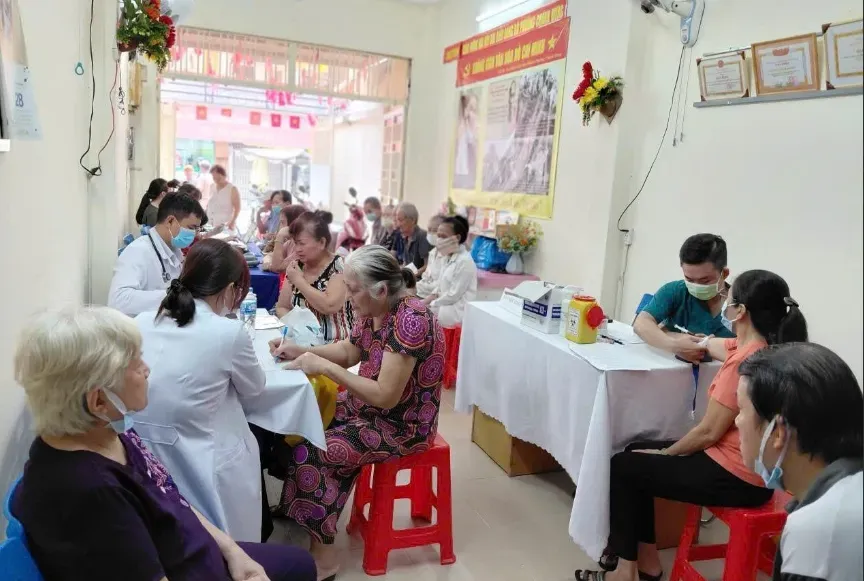
Alongside organizational restructuring, the city strengthened grassroots healthcare capacity in terms of human resources, professional expertise, health insurance medicines, digital transformation, emergency response and disease prevention, empowering local authorities and positioning health stations as the public’s “first point of contact” with the healthcare system.
3. Health sector takes on social welfare responsibilities to better protect vulnerable populations
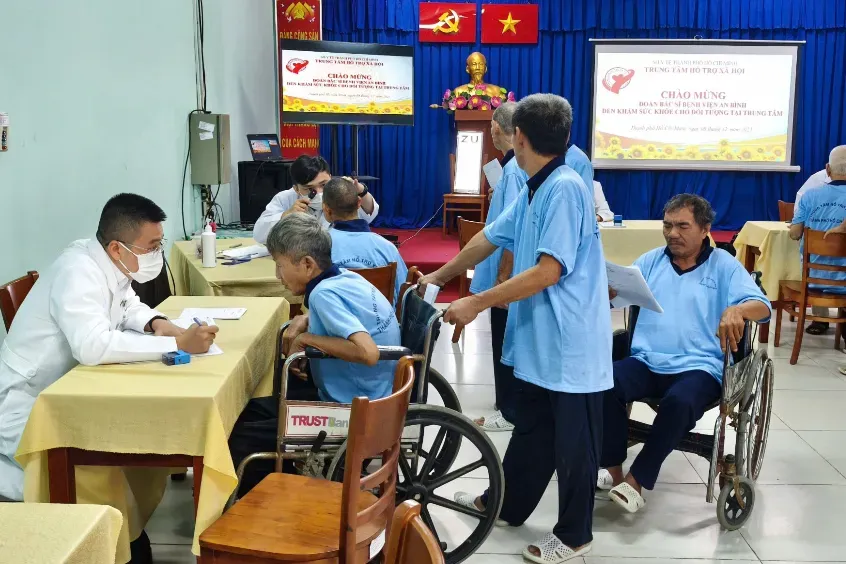
In 2025, Ho Chi Minh City integrated social welfare, child protection and social protection services into the healthcare sector, placing health care at the core of safeguarding vulnerable groups. The municipal Department of Health implemented comprehensive healthcare programs at social protection centers with support from 16 hospitals, established coordination mechanisms, provided on-site health insurance-covered treatment and issued basic care standards, ensuring continuity of treatment, reducing patient transfers and promoting healthcare equity.
4. Effective disease control leads to the official end of the measles outbreak in Ho Chi Minh City
In response to the risk of measles returning, Ho Chi Minh City activated early preventive actions and implemented a citywide vaccination campaign, leading to the official containment of the outbreak.

With more than 280,000 doses administered and near-universal coverage, the city successfully contained the outbreak and officially declared the end of the measles epidemic in June 2025, as well as continuing monitoring and catch-up vaccinations to prevent recurrence.
5. Breakthroughs in advanced medical development, approaching international medical standards
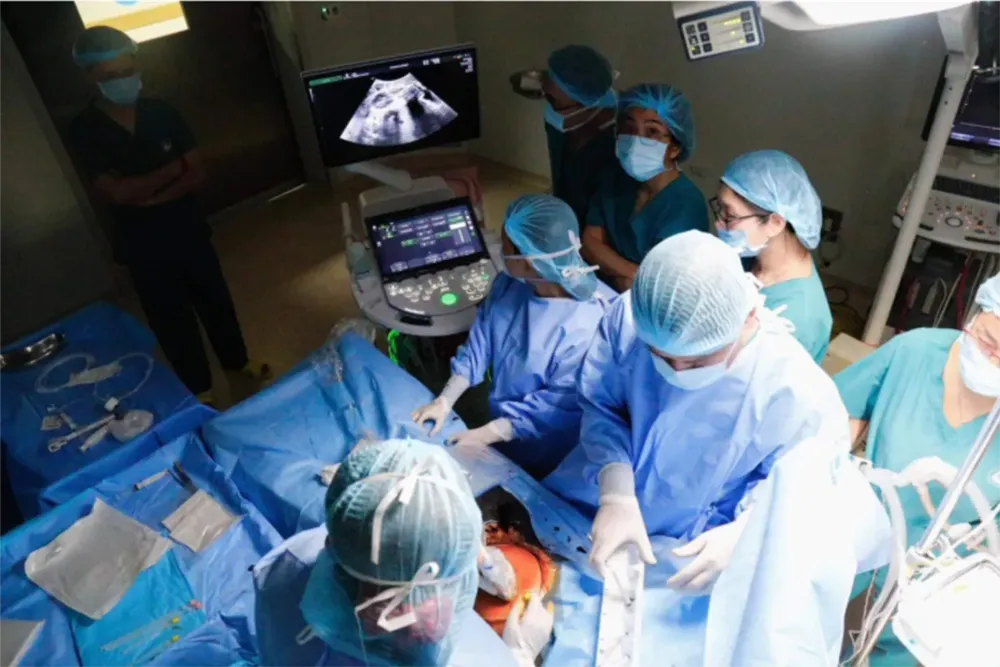
In 2025, Ho Chi Minh City’s health sector continued to affirm its position as a high-tech medical hub with notable achievements, including fetal interventional cardiac catheterization, complex microsurgical reattachment of severed hands and pre-hospital E-CPR using mobile ECMO. These successes marked major advances in professional capacity, bringing the city’s healthcare closer to advanced regional and global medical standards.
6. Specialist rotations ensure timely treatment for serious illnesses in Con Dao
From September 2025, Ho Chi Minh City has implemented a program to rotate specialist doctors to Con Dao, helping thousands of residents to receive advanced examination, treatment and emergency care locally, including complex cases previously requiring transfer to the mainland.
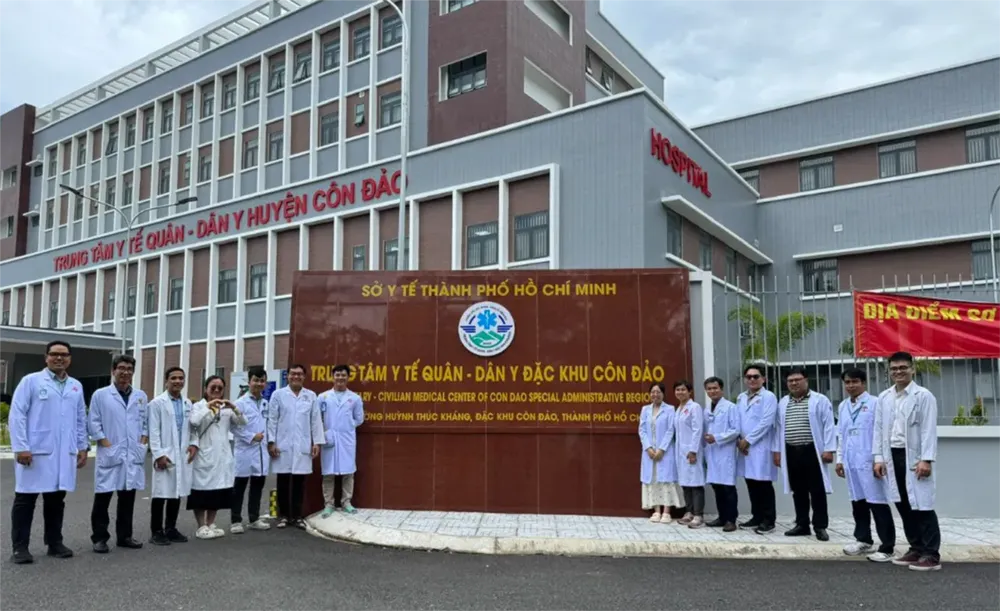
The program enhances healthcare capacity in remote areas through on-site training and technology transfer, clearly reflecting the city’s multi-polar, multi-center healthcare strategy and ensuring timely, quality care even in the most remote locations.
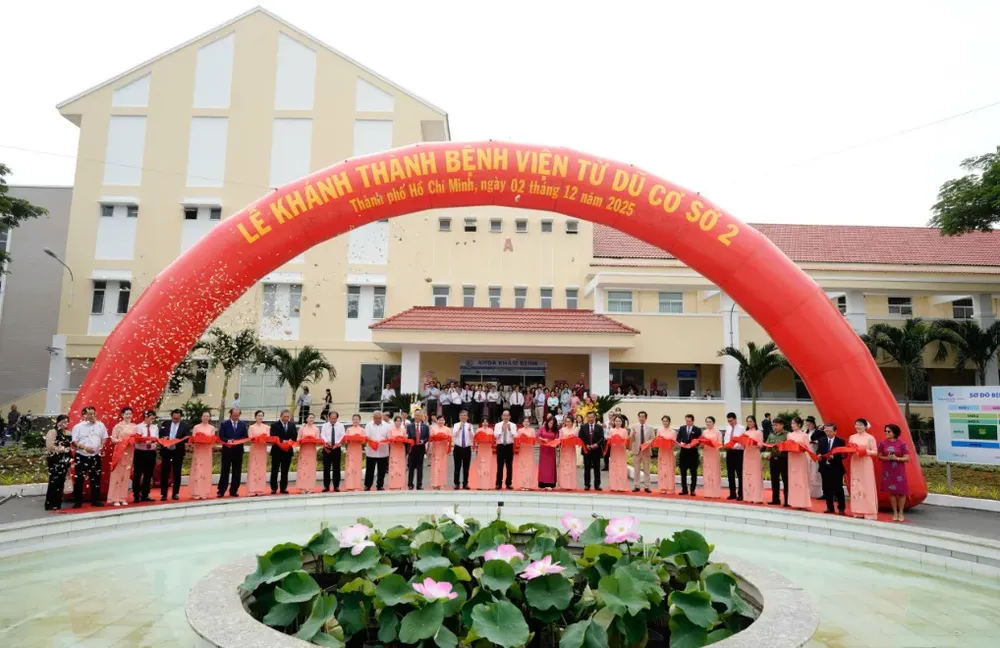
7. The second facility of Tu Du Hospital is officially operational, a linked general hospital model serving remote areas
On November 10, 2025, the second facility of Tu Du Hospital, a general hospital model linked with eight public hospitals, officially began operations. In just over one month, the facility handled more than 5,000 turns of patients and treated numerous emergency, surgical and obstetric cases in Can Gio. That reduced referrals, saved time and costs for residents.
8. Completion of key healthcare projects, strengthening system capacity
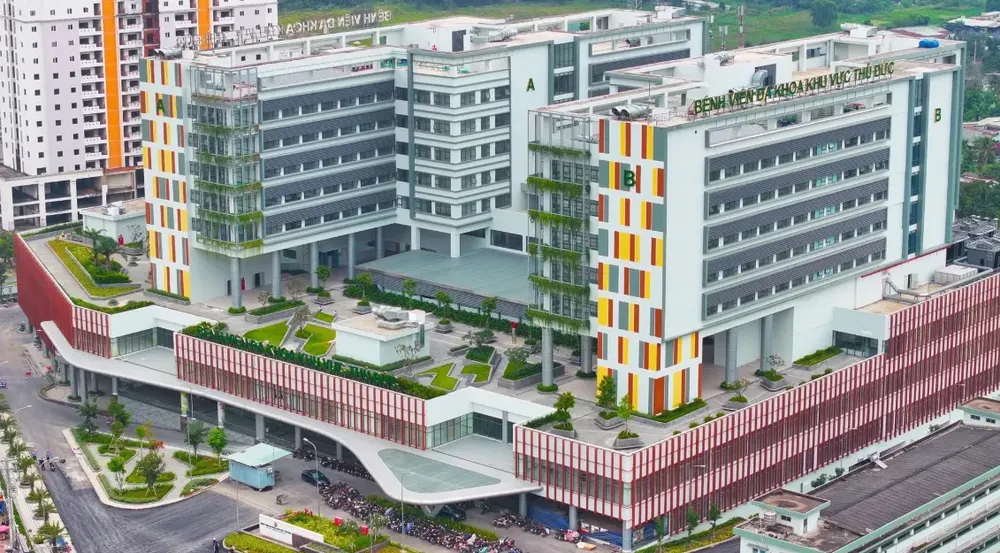
In 2025, Ho Chi Minh City’s healthcare sector made significant strides with the launch of several key medical projects, notably new facilities at the three gateway hospitals in Thu Duc, Cu Chi and Hoc Mon, along with the second facility of Pham Ngoc Thach University of Medicine. These developments helped ease pressure on tertiary hospitals, expanded access to high-quality healthcare, and laid the groundwork for a modern “medical campus” model, underscoring the city’s commitment to sustainable healthcare investment.
9. Comprehensive digital transformation develops big data platforms and smart healthcare governance
In 2025, Ho Chi Minh City’s healthcare sector entered a phase of comprehensive digital transformation, with data as the foundation for governance and public service.
The completion of electronic medical records at 163 out of 164 hospitals, the establishment of healthcare data repositories and the application of AI in management, research, and surveillance enhanced service quality, transparency, and operational efficiency, moved toward a modern, people-centered healthcare system.
10. Strengthened healthcare institutions marks milestone of 25 resolutions passed by the City People’s Council
In 2025, the Ho Chi Minh City People’s Council passed 25 resolutions on healthcare and social welfare, forming a comprehensive legal framework suited to a mega-urban context. These policies covered multiple pillars, from care for vulnerable groups and health insurance to strengthening grassroots healthcare, expanding access to services, reducing costs for residents, and improving sector-wide governance.
According to Associate Professor Dr. Tang Chi Thuong, Director of the Ho Chi Minh City Department of Health, these 10 events represent memorable milestones in the healthcare sector’s reform journey in 2025. With a stronger system, devoted personnel and accelerated digital transformation, the city’s healthcare sector will continue to raise service quality and build a modern, humane and sustainable healthcare system.






)