Traditional melodies blend with the rhythm of city life
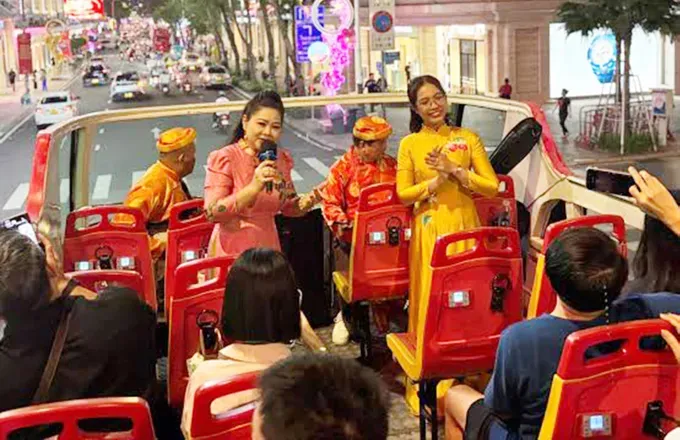
Don Ca Tai Tu is deeply rooted in a spirit of intimacy, fellowship and spontaneous musical interaction among performers. The art form is traditionally performed in garden settings, along riverside wharves or at informal gatherings of music enthusiasts. On the evening of November 23, it was performed aboard a double-decker bus for the first time, bringing the traditional art form onto one of the distinctive vehicles associated with tourism activities in Ho Chi Minh City.
Organized by City Sightseeing Saigon, the program was introduced as an opportunity to explore Ho Chi Minh City through traditional music. For the performances, the artists selected lively compositions from the 20 principal pieces that form the foundation of Southern traditional folk music.
Bringing a traditional art form such as Don Ca Tai Tu onto a double-decker bus in the heart of the city not only creates new opportunities to reach wider audiences but also requires careful consideration of acoustics, performance space and the need to maintain the audience's focus on the music.
The novelty of the setting must serve to enhance the instrumental melodies and vocals, while the cultural heritage's depth and artistic value remain the qualities that inspire listeners to learn more long after the journey ends.
People's Artist Thanh Tuyet, who has devoted many years to promoting Don Ca Tai Tu in Ho Chi Minh City, said the unique nature of the performance space had required the artists to adopt creative approaches to meet artistic demands.
However, such creativity must always remain within established artistic conventions, guided by the performers' professional expertise and deep understanding of the musical repertoire. These are artists who are passionate about their craft, dedicated to preserving it and committed to passing it down through generations.
Don ca tai tu has its own vitality in the cultural life of the Southern region. People come together to play music, sing, enjoy the performances and share their feelings. That is why, even when performing aboard a bus, artists must find a way to leave visitors with lasting memories of every melody and give them a truly distinctive experience to recall whenever they think of Ho Chi Minh City, People's Artist Thanh Tuyet said.
A new journey for traditional arts
According to Meritorious Artist Huynh Khai, the term “tai tu” refers to people with artistic talent, knowledge and a passion for music. Don Ca Tai Tu is a form of artistic expression rooted in the emotional connection between instrumentalists, singers and listeners.
In a sprawling city rich in architectural and cultural heritage, the routes taken by double-decker sightseeing buses now offer an added sense of warmth and nostalgia through the melodies and lyrics performed by artists.
Luu Tuyet Oanh, a native of An Giang Province who was visiting Ho Chi Minh City with her family, shared her impressions that she and her family were all genuinely surprised. As people from the Mekong Delta, they are very familiar with Don Ca Tai Tu, but we have never had the chance to enjoy it in a setting like this. Watching the city streets glow with colourful lights while listening to the familiar, simple melodies of traditional music was an indescribable experience.
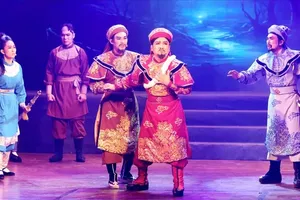
Historically, various elements of the “tai tu” musical tradition contributed to the development of Cai Luong, the traditional reformed theater of the Southern region. This connection demonstrates that cultural heritage is not confined to a fixed form. Rather, it can provide a foundation for new creative expressions while retaining its distinctive identity.
Building on this idea, Associate Professor and Doctor Tran Yen Chi, former Head of the Training Faculty at the Ho Chi Minh City University of Theatre and Cinema, suggested that the Don Ca Tai Tu performance route could include a stop at the Tran Huu Trang Theater. The venue houses a traditional Cai Luong theater exhibition space featuring hundreds of archival documents, musical instruments, photographs and other materials. Visitors could not only listen to the music but also explore the collection, learn about the art form and interact with the artists. This would leave them with a memorable cultural experience.
Associate Professor and Doctor Phan Bich Ha, a lecturer at Van Lang University, said that a mobile stage moving through the city has its own advantages. Audiences can enjoy the music while experiencing the city's rhythm of life. However, for the experience to go beyond a brief performance added to a sightseeing tour, the introduction should help listeners understand which compositions are being performed, which instruments they are hearing and how the artists interpret the traditional repertoire. When the story behind the heritage is explained in depth, the bus journey can become a space for both learning and appreciation, rather than merely serving as a backdrop for an entertainment activity.
The double-decker bus performance on the evening of November 23 introduced a distinctive cultural experience, contributing to the diversification of cultural tourism products.
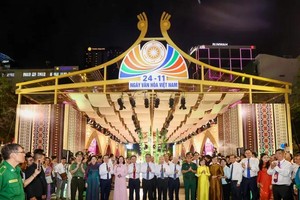
Against the backdrop of Vietnam Cultural Day, this initiative could offer a new way to bring cultural heritage closer to the public and visitors while helping introduce and promote the beauty of Vietnam's traditional culture to domestic and international tourists alike.