Culture nurtures people, strengthens social cohesion, and helps ensure that the benefits of development reach all segments of society.
Nurturing character and strengthening trust
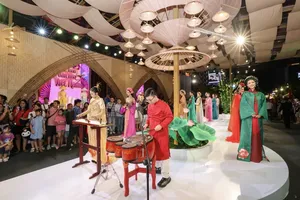
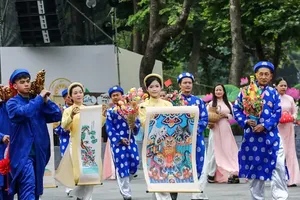
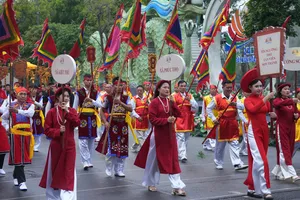
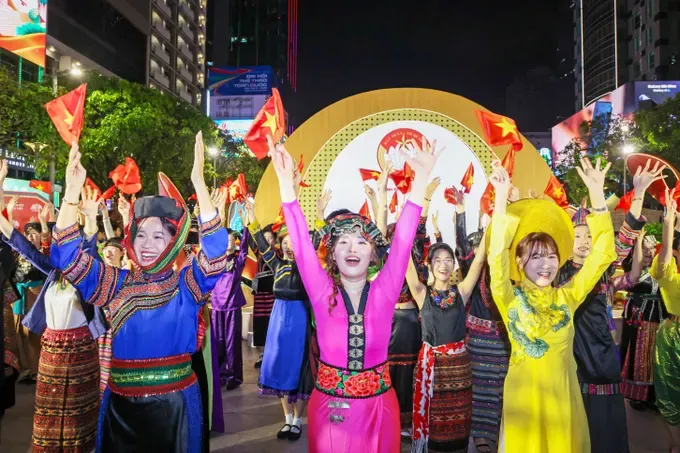
 "Young people take part in a cultural festival on Nguyen Hue Pedestrian Street in Saigon Ward, Ho Chi Minh City. (Photo: SGGP)")
Culture is the foundation of development because it shapes how people use knowledge, harness their capabilities, and seize opportunities arising from progress.
Technology can broaden access to information, but the ability to discern what is trustworthy, respect the dignity of others, and take responsibility for what one shares depends on sound judgment and standards of conduct.
As the economy increasingly relies on creativity and collaboration, qualities such as honesty, respect for differences, and a sense of responsibility toward the common good become ever more important to the quality of development.
Culture nurtures these qualities through a long and continuous process. It is reflected in everyday family life, behavior at school, in the workplace, and within communities. Choices repeated day after day gradually shape people's lifestyles. Literature and the arts further enrich these experiences.
A profound literary or artistic work helps readers and audiences understand lives different from their own and reflect on their personal choices. Such experiences nurture an appreciation of beauty, empathy, and the capacity for self-reflection.
Culture becomes an intrinsic strength when shared values enable society to build trust and foster collective action. Trust is strengthened when people see standards applied fairly and feel that their voices are valued. A sense of belonging to the community motivates them to preserve heritage, share responsibility, and take the initiative in addressing common challenges.
In the process of international integration, cultural values passed down and renewed across generations also help Vietnamese people engage confidently in dialogue with the world, drawing on their own experiences and perspectives to create and innovate.
Equality in cultural enjoyment
Article 41 of the 2013 Constitution recognizes everyone's right to access and enjoy cultural values and participate in cultural life. Politburo Resolution No. 80-NQ/TW on Vietnamese cultural development further underscores the need to ensure the rights to cultural enjoyment, creativity, and equal access.
Income, place of residence, and geographical distance must be taken into account to ensure these rights are exercised equally. When books, arts, and opportunities for learning and creative activities are concentrated in areas with large markets, people in disadvantaged areas have to spend more time and money to access them and cultivate their interests over the long term.
Such disparities also affect people's ability to discover their talents, broaden their knowledge, and participate in social life. Therefore, resources should be prioritized for areas with the fewest opportunities while ensuring the quality and regularity of cultural services. Equality also encompasses the right to choose and express oneself.
People in all regions should have opportunities to experience cultural and artistic achievements from Vietnam and around the world while also creating works that reflect their own voices, memories, and community experiences.
To realize these rights, the State must ensure conditions for cultural access in every locality. Budget allocations should be based on the extent of disparities in opportunities for cultural enjoyment while ensuring funding for regular operations.
Commissioning mechanisms should link program quality with service coverage, frequency of participation, and accessibility for people with disabilities. Digital infrastructure should support the expansion of collections of copyrighted works and learning materials, complemented by a network of in-person services in areas with limited connectivity.
Cultural institutions should be developed around public needs. Libraries, museums, and theaters can work with schools and community centers to maintain programs throughout the year.
Creative professionals should focus on producing high-quality works, developing appropriate formats for accessibility and engaging with local communities in content selection. When using cultural heritage, community knowledge, and materials, consensus and recognition of contributions should serve as the foundation for long-term collaboration.
In addition, assessments should take into account regular participation, access costs, regional disparities, and people's capacity to organize creative activities independently. These indicators can help determine who has benefited from allocated resources, which areas remain underserved and where adjustments are needed.
When people in all regions have opportunities to access cultural values, enrich their spiritual lives, and contribute to their communities, culture can truly nurture the comprehensive development of Vietnamese people and become an intrinsic strength driving the country's sustainable development.