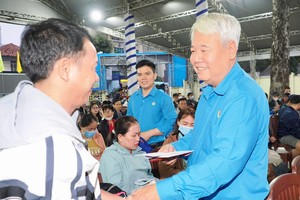
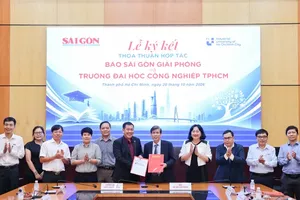
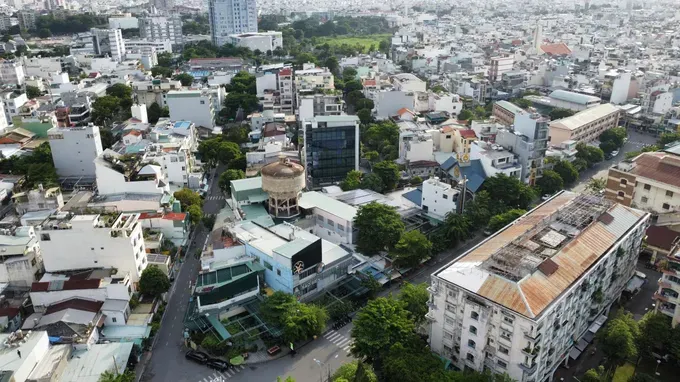
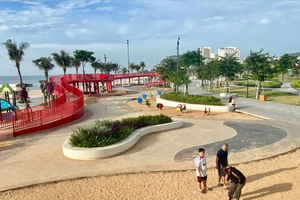
The National Steering Committee for the Search, Recovery and Identification of Martyrs’ Remains (Steering Committee 515) and the Ho Chi Minh City People's Committee on June 8 jointly held a conference to verify and assess information concerning martyrs and martyrs' graves in the area of the former Chi Hoa–Cho Quan Cemetery, now the site of Le Thi Rieng Park.
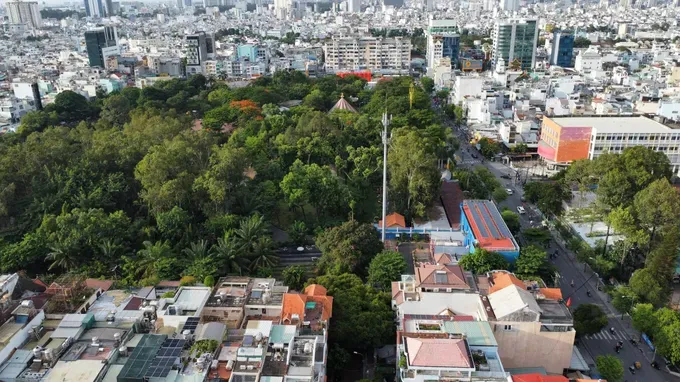
The conference was chaired by Deputy Prime Minister Pham Thi Thanh Tra, who also serves as head of Steering Committee 515; Nguyen Van Gau, Deputy Minister of National Defence and Deputy Head of Steering Committee 515, and Nguyen Van Duoc, Chairman of the Ho Chi Minh City People's Committee.
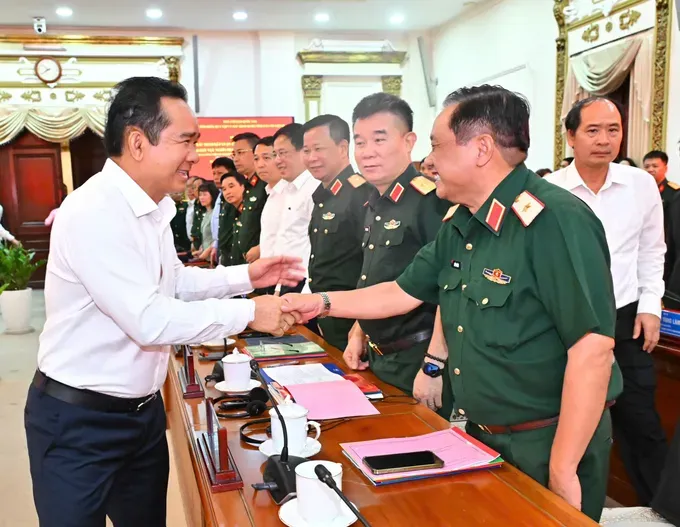
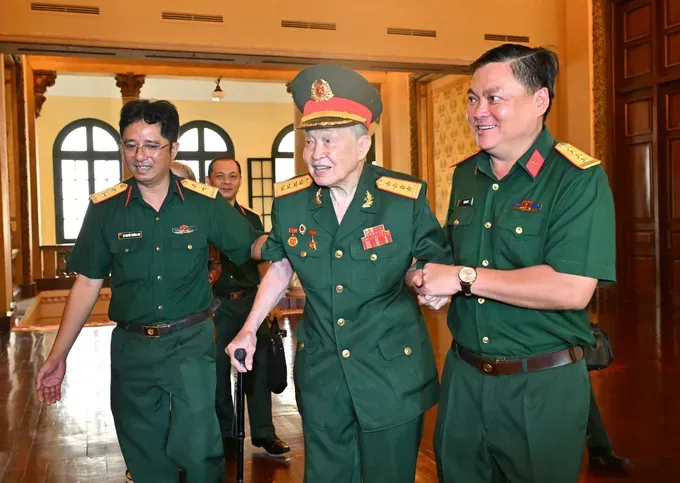
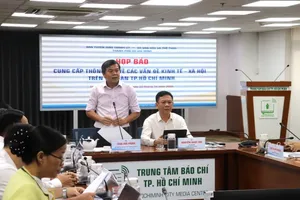
Participants included government officials, military leaders, historians, researchers, war veterans, historical witnesses and relatives of martyrs who lost their lives during the Tet Offensive.
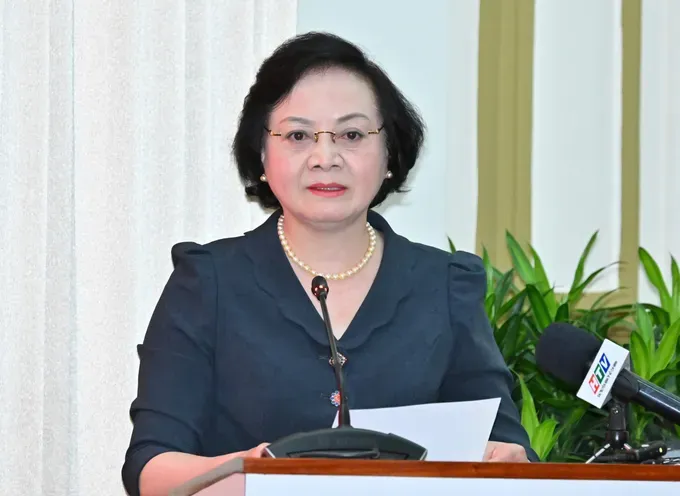
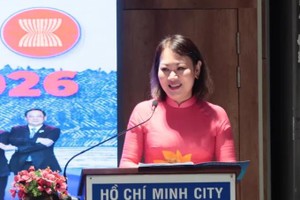
In her opening remarks, Deputy Prime Minister Pham Thi Thanh Tra emphasized that the event was more than a scientific seminar. It was also an opportunity to clarify historical facts that remain unresolved while demonstrating the nation's gratitude toward those who sacrificed their lives for national independence and reunification.
The Deputy Prime Minister noted that the former Chi Hoa–Cho Quan Cemetery was transformed into Le Thi Rieng Park between 1978 and 1983. During land-clearing and construction activities, authorities discovered several traces and sets of remains believed to belong to martyrs. The redevelopment, however, significantly changed the site's original topography, complicating subsequent search efforts.
Authorities launched survey and recovery efforts in 1995; however, the operation achieved limited success because of inadequate technology and insufficient historical records.
The search effort has received a major boost from newly declassified U.S. military documents and photographs relating to the 1968 fighting. Combined with historical records, military maps, archival images and eyewitness accounts, the materials have helped strengthen the evidentiary basis for locating a suspected mass grave.
The Deputy Prime Minister noted that Vietnam is currently implementing an intensive 500-day campaign to search for, recover and identify the remains of martyrs whose identities remain unknown. Every verified piece of information, every historical document reviewed and every witness account contributes to the effort to bring fallen heroes home to their families, comrades and homeland.
The Deputy Prime Minister urged participants to concentrate on three key priorities before any field excavation is undertaken.
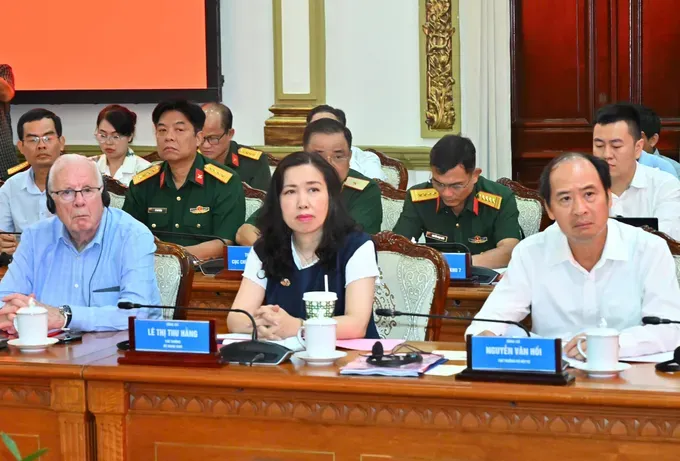
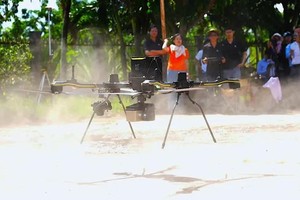
First, all available historical, scientific, legal and practical evidence should be carefully reviewed to ensure the accuracy, consistency and reliability of information contained in declassified documents and related records. Second, experts should assess the possible scale, boundaries, characteristics and likelihood of the existence of a mass grave after nearly six decades. Third, once sufficient evidence has been established, authorities should agree on a survey and excavation plan that integrates traditional investigative methods with modern technologies, including ground-penetrating radar, historical data and eyewitness accounts, to ensure the highest possible level of accuracy in search operations.
Based on the conference's findings, the Deputy Prime Minister called for the development of a detailed action plan and a coordinated mechanism among relevant agencies to identify excavation sites and carry out future recovery efforts. She stressed that all activities must be conducted in a scientific, cautious, safe and methodical manner in accordance with established procedures and regulations.
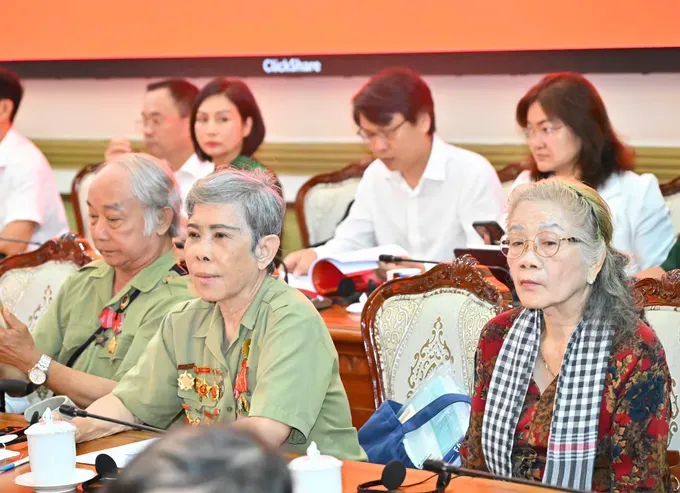
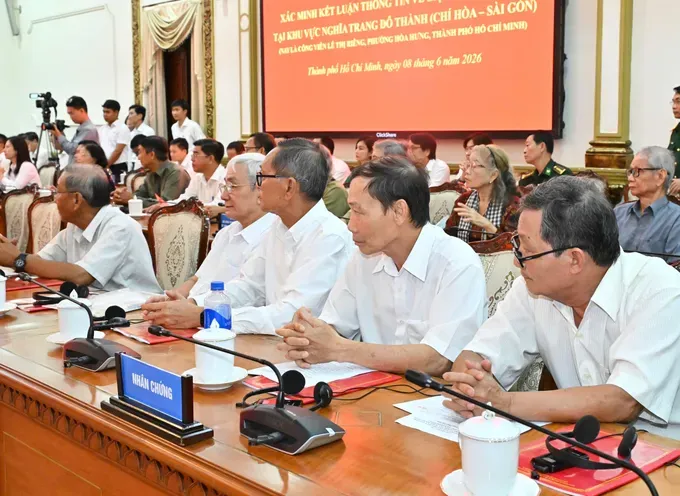
Expressing confidence in the contributions of researchers, scientists, historical witnesses, veterans and relevant agencies, Ms. Pham Thi Thanh Tra hoped that the seminar would provide a solid basis for Steering Committee 515 to move forward with excavation efforts and help bring fallen heroes home.




)