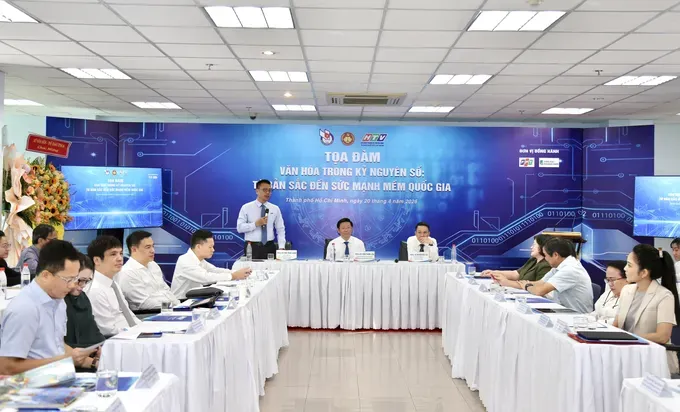
The Politburo’s Resolution No. 80-NQ/TW, dated January 7, 2026 established a crucial milestone in developmental thinking when positioning culture at the core of the national strategy. It serves concurrently as a foundation, a driving force, and a “regulatory system” for rapid and sustainable development.
From this perspective, the core issue extends beyond merely preserving or promoting values; it lies in the capacity to transform cultural values into products, brands, and societal influence. In this trajectory, journalism is identified as a singularly crucial force. Beyond disseminating information, the press actively participates in constructing value systems, shaping aesthetics, and guiding societal thinking and lifestyles.
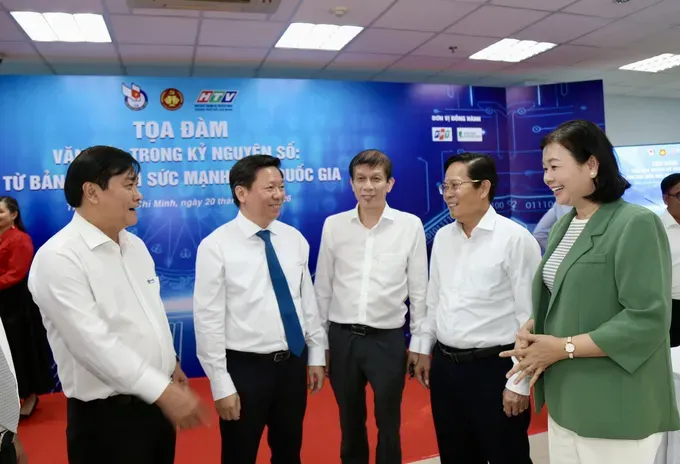
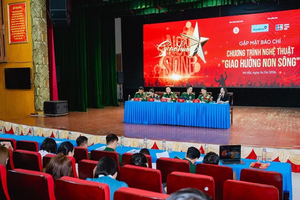
Delivering a presentation at the seminar, Editor-in-Chief Nguyen Ngoc Toan of Thanh Nien Newspaper shared: “Culture must permeate journalism, acting as its very roots; journalists do not simply report news but contribute to shaping societal norms.”
Sharing this viewpoint, Editor-in-Chief Le The Chu of Tuoi Tre Newspaper underscored the role of the revolutionary press in propagating cultural values, consolidating social trust, and elevating the national image. Journalism not only reflects but also spearheads and cultivates value spaces within contemporary life.
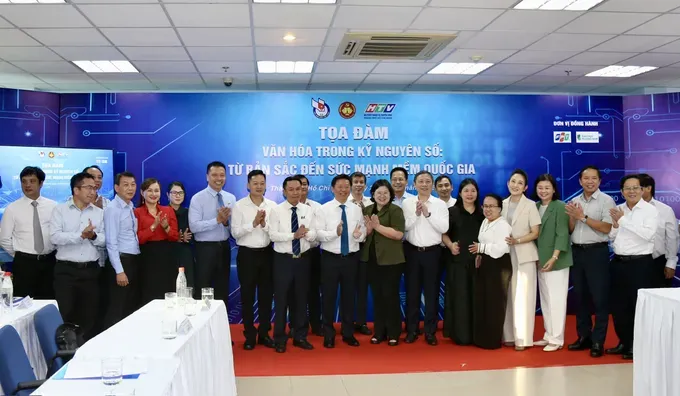
Amidst the digital information boom, Acting Editor-in-Chief Nguyen Khac Van of Sai Gon Giai Phong Newspaper emphasized that journalistic data is a critically vital resource within the current data ecosystem. If systematically accumulated and codified, this data will evolve into a “living memory bank,” possessing immense value for research, practical review, and policy formulation. It’s, therefore, imperative to expedite the completion of mechanisms and legal frameworks to safely, securely, and effectively exploit journalistic data, thereby harnessing the value of this resource in the national cultural development strategy.
From an economic standpoint, Editor-in-Chief To Dinh Tuan of Nguoi Lao Dong Newspaper observed that the press needs to integrate deeply into the cultural industry ecosystem, contributing to the formation of a robust, competitive digital content market. Consequently, the press, besides being a vital “information transmission channel,” emerges as a creative subject within the cultural value chain.

Addressing the seminar, Deputy Head Dinh Thi Thanh Thuy of the Propaganda and Mass Mobilization Commission of the HCMC Party Committee stressed: “HCMC is confronting the imperative to transition from broad-based cultural development to positioning the brand of a creative cultural metropolis. Here, culture is intrinsically the foundation and driving force of sustainable development. The city must elevate culture to par with economic and political domains, ensuring all developmental strategies possess cultural depth. Simultaneously, it must vigorously develop cultural industries, unleash social resources, and align heritage conservation with digital transformation.”
Assoc Prof Dr Huynh Quoc Thang, former President of HCMC College of Culture and Arts, argued that cultural industry advancement must be inseparably linked to local branding. HCMC needs to leverage existing heritage, fusing it with contemporary creativity to generate distinct, high-value cultural products, thereby bolstering regional competitiveness.
However, this process also poses major challenges like extreme commercialization and identity erosion. Therefore, development must proceed in tandem with identity preservation, balancing creativity and positive societal values.
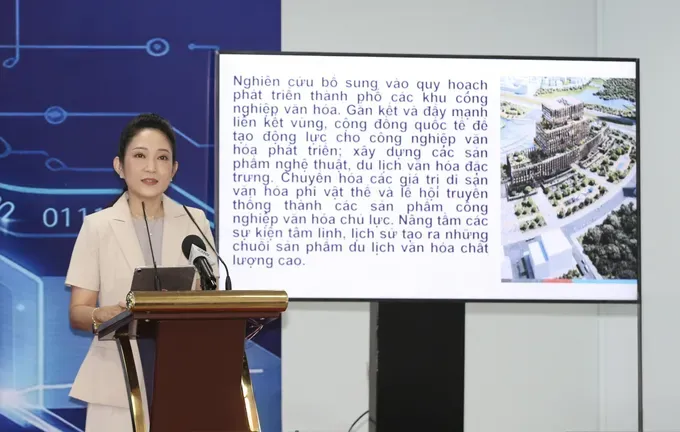
In his concluding remarks, Deputy Head of the Central Propaganda and Mass Mobilization Commission Tran Thanh Lam affirmed that awareness of culture’s role is increasingly elevated to its rightful stature, now acting as the “operating system” of national development.
Nevertheless, it’s essential to candidly acknowledge that cultural industries have yet to develop aligned with their true potential. There remains a dearth of internationally competitive products, and the cultural environment, particularly in cyberspace, harbors deviating norms. This necessitates perfecting institutions, elevating creativity, and fortifying cultural security.
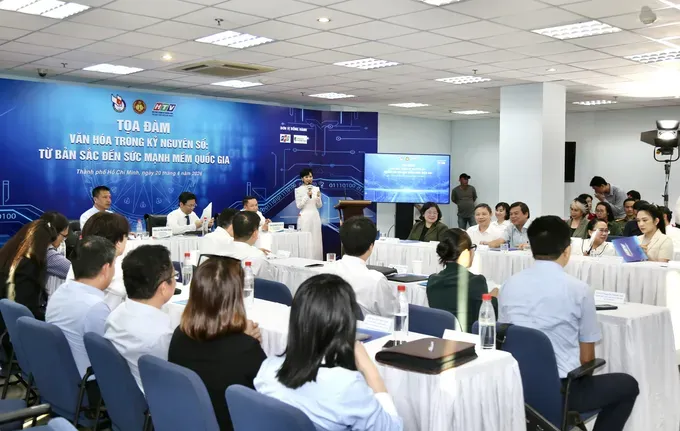
“In this context, the press must exert its pioneering role, not only reporting but architecting values, propagating what is right, and combating normative deviations to safeguard the Party’s ideological foundation and cultivate a wholesome cultural life,” Deputy Head Tran Thanh Lam emphasized.
To actualize sustainable cultural development objectives, a synchronized deployment of solutions is required, ranging from innovating mindsets, recognizing that investing in culture is investing in the future, disseminating the national value system, propelling cultural industries, cultivating professional journalism to amplifying cultural diplomacy to expand the nation’s “soft borders.”
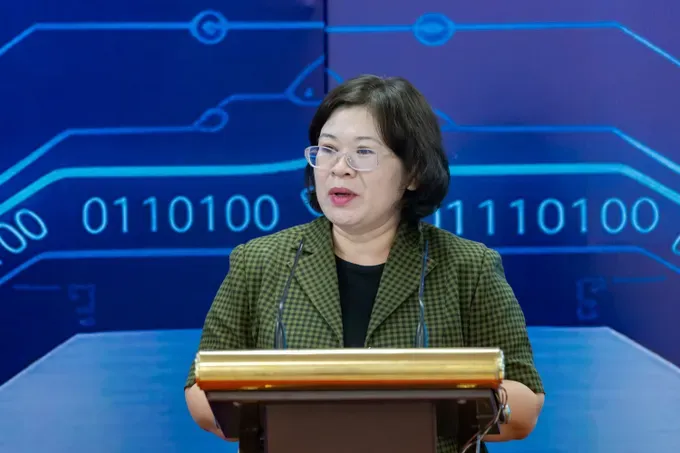
Amidst the digital era and AI proliferation, Deputy Secretary of the HCMC Party Committee Van Thi Bach Tuyet stated HCMC is establishing this principle: “The deeper the integration, the more profound the identity; the stronger the digitization, the higher the humanity.” Through this, the city promotes traditional values while propelling cultural industries.
After consolidation, HCMC aspires to construct competitive industry complexes, exploiting cultural resources to forge robust brands. This requires journalists, scientists, and administrators to disseminate values, helping culture enter daily life. Ultimately, this clearly enhances national soft power, transforming HCMC into a creative cultural metropolis.