On March 23, the Department of Foreign Market Development under the Ministry of Industry and Trade stated that the European Union is not only a billion-dollar export market but also presents substantial long-term growth potential for Vietnam’s seafood industry in the context of shifting global supply chains.
According to Ms. Le Hang, Deputy Secretary General of the Vietnam Association of Seafood Exporters and Producers (VASEP), seafood exports reached approximately US$11.3 billion in 2025, of which the EU accounted for around US$1.2 billion, representing 12 percent to 15 percent of the total. Notably, by mid-March 2026, exports to the EU have sustained a stable upward trend, rising by about 16.9 percent year-on-year to an estimated value of over US$200 million, making it one of the industry’s most positively growing markets.
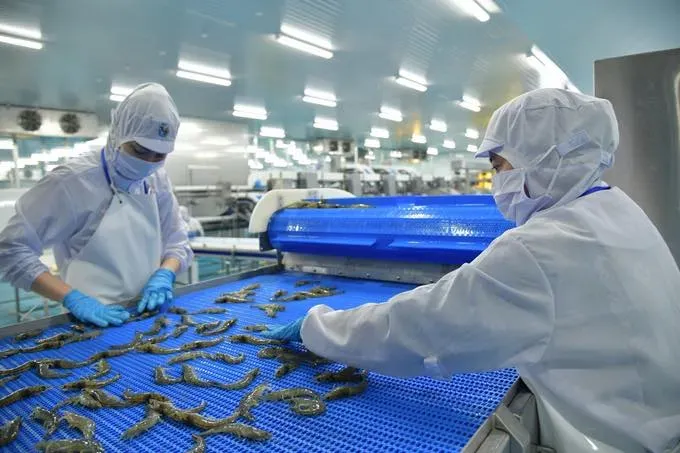
Key export categories include shrimp, pangasius, tuna, and mollusks. Among these, value-added processed shrimp continues to play a leading role within European retail distribution systems.
Consumer trends in the European Union (EU) are shifting markedly toward sustainably certified, fully traceable, and deeply processed products, creating new opportunities for Vietnamese enterprises.
This trend is seen as a favorable condition for Vietnamese businesses, which already possess a solid foundation in aquaculture, processing capacity, and export experience. In practice, many importers from the Netherlands, Germany, Belgium, and Spain are increasing their search for partners, with a focus on products such as processed shrimp, pangasius fillets, and canned tuna.
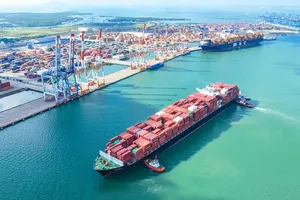
However, cost pressures are mounting as geopolitical fluctuations have prolonged shipping times by an additional one to two weeks, leading to higher logistics and insurance costs. In this context, the Ministry of Industry and Trade recommends that businesses swiftly shift to value chain-based production and export models, prioritizing deeply processed products that meet environmental and traceability standards.
Additionally, proactively diversifying markets, strengthening information gathering, enhancing early risk warning mechanisms, and promoting specialized trade promotion activities are considered essential solutions to help Vietnam’s seafood sector effectively tap into the EU market.
These measures are expected to enable Vietnamese seafood to expand its market share in the EU while maintaining its role as a key export pillar in the long term.