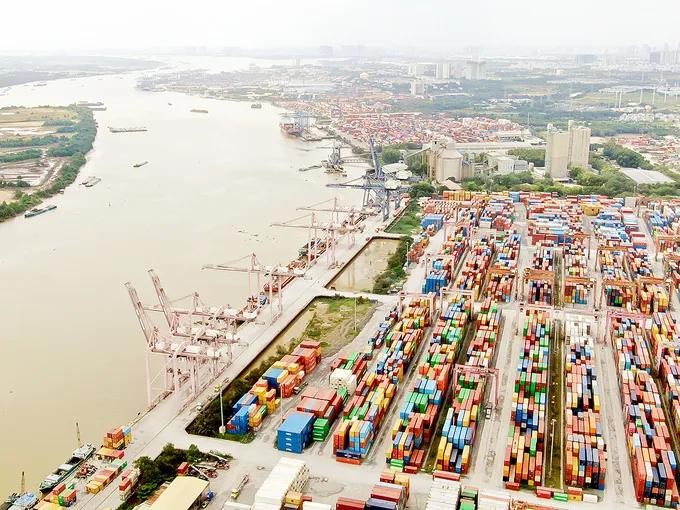
Foreign direct investment (FDI) flows have consistently shown strong growth, with each year surpassing the previous one. This presents an opportunity for selective adjustments to FDI flows, aiming to orient the economy towards sustainable development.
Investor confidence grows as Ho Chi Minh City leads FDI shift toward high-tech sectors
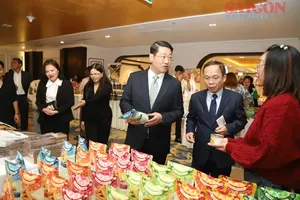
In the period leading up to Tet (Lunar New Year), during a meeting with Nguyen Loc Ha, Standing Vice Chairman of the Ho Chi Minh City People's Committee, Chairman Kume Kunihide of the Japan Chamber of Commerce and Industry in Ho Chi Minh City (JCCH) expressed that the Japanese business community is prepared to establish a long-term partnership with Vietnam and Ho Chi Minh City.
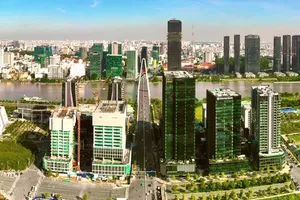
At present, over 80 percent of Japanese enterprises operating in Vietnam have selected Ho Chi Minh City as their base of operations. This reflects the significant confidence that foreign investors have in Ho Chi Minh City specifically and in Vietnam as a whole.
Looking back to 2025, Ho Chi Minh City will lead the country with a cumulative FDI capital of approximately US$142.2 billion, corresponding to 20,470 active projects. After the merger, Ho Chi Minh City is expected to attract over US$8.37 billion in FDI in 2025, the highest in the country. In the first month of the year, the city continued to attract US$372.8 million.
Notably, according to the head of the Department of Finance, the city has shifted its focus to selective FDI attraction, prioritizing high technology and innovation, and limiting labor-intensive projects. The goal is not only about the scale of capital but also about improving the quality and efficiency of project implementation.
On a national level, this is a common policy in attracting FDI. In January 2026 alone, implemented FDI reached US$1.68 billion, an increase of over 11 percent compared to the same period and the highest January disbursement in the past five years. Prior to that, 2025 recorded over US$27.6 billion in implemented capital, a record high. These figures show a continued positive trend in disbursement and reflect the long-term confidence of international investors in Vietnam's investment environment.
Along with the increase in scale, the need to improve the quality of FDI attraction is becoming increasingly clear. While previously the focus was on expanding capacity, leveraging cost advantages and tax incentives, the current phase places higher demands on added value, technology transfer, and the level of linkage with the domestic business sector.
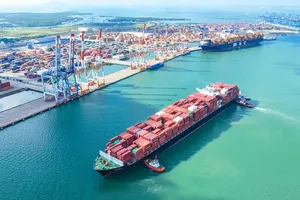
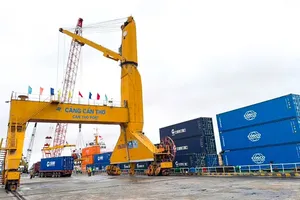
The investment structure at the end of 2025 and the beginning of 2026 shows that FDI flows are shifting towards sustainable development sectors such as high-tech processing and manufacturing industries, data centers, renewable energy, and smart logistics. This trend aligns with the digital transformation and green development orientation of the economy.
HCMC is continuing to improve the investment environment
Selective FDI attraction has become a strategic priority amid intensifying global competition. Experts note that investors are most concerned with policy stability, transparent regulations, skilled human resources, and the strength of the domestic business ecosystem. To stay ahead, local authorities and management agencies must push for deeper reforms, ensuring a more predictable, coordinated, and efficient investment environment.
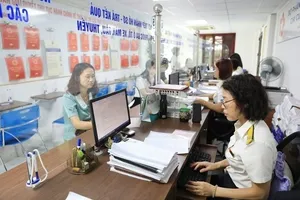
Specifically in Ho Chi Minh City, the head of the Department of Finance has confirmed that the city will undertake significant reforms and more impactful actions in 2026. It will assess incentive mechanisms to minimize fragmentation and enhance post-investment support based on the effectiveness of projects. Additionally, it will recommend to the central government the elimination of overlapping regulations and the enhancement of tax and customs policies to ensure greater consistency and fairness. Key solutions to reduce processing times include reforming administrative procedures, advancing digital transformation, and digitizing planning, land, and project data.
Simultaneously, Ho Chi Minh City aims to selectively attract multinational corporations possessing core technologies, innovate investment promotion through a "partnership with investors" mechanism, improve the quality of human resources, and increase dialogue to definitively resolve obstacles and strengthen investor confidence.
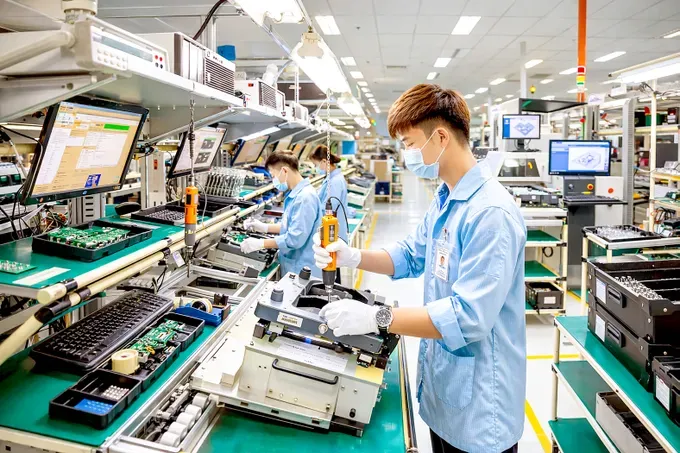
The head of the Department of Finance revealed that the strategy aimed at enhancing the efficiency of Foreign Direct Investment (FDI) attraction for the years 2023-2025, with a long-term vision extending to 2030, has already received prior approval. However, it is presently pending the endorsement of sectoral development plans as well as the Ho Chi Minh City Master Plan for 2040, which also includes a vision for 2060. He indicated that if these plans are released promptly, they will provide investors with a foundation to execute their investment strategies.
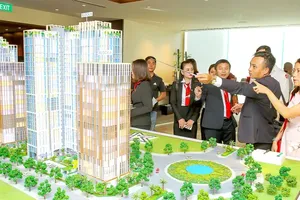
Regarding attracting investment, Tran Phu Lu, Acting Director of the Ho Chi Minh City Trade and Investment Promotion Center (ITPC), said that this year the city will strongly innovate towards a targeted approach, prioritizing large corporations from the United States, the EU, Japan, South Korea, and Singapore in the fields of semiconductors, AI, renewable energy, international finance, and smart infrastructure; while also increasing dialogue, monitoring, and resolving project obstacles definitively.
One of the issues of particular interest to foreign investors is the development of the new Ho Chi Minh City master plan. Regarding the progress of the general planning documents, Director Vo Hoang Ngan of the Department of Planning and Architecture informed that Ho Chi Minh City has completed the documents and submitted them to the Ministry of Construction for early signing and issuance of the accompanying plans and roadmaps.
In addition, regarding the expansion of land for investment attraction, Head Bui Minh Tri of the Ho Chi Minh City Export Processing and Industrial Zones Authority (HEPZA) said that this year Ho Chi Minh City will strive to put 4 new industrial parks into operation, raising the total number of operating industrial parks in Ho Chi Minh City to 63 to promptly serve the needs of investors.