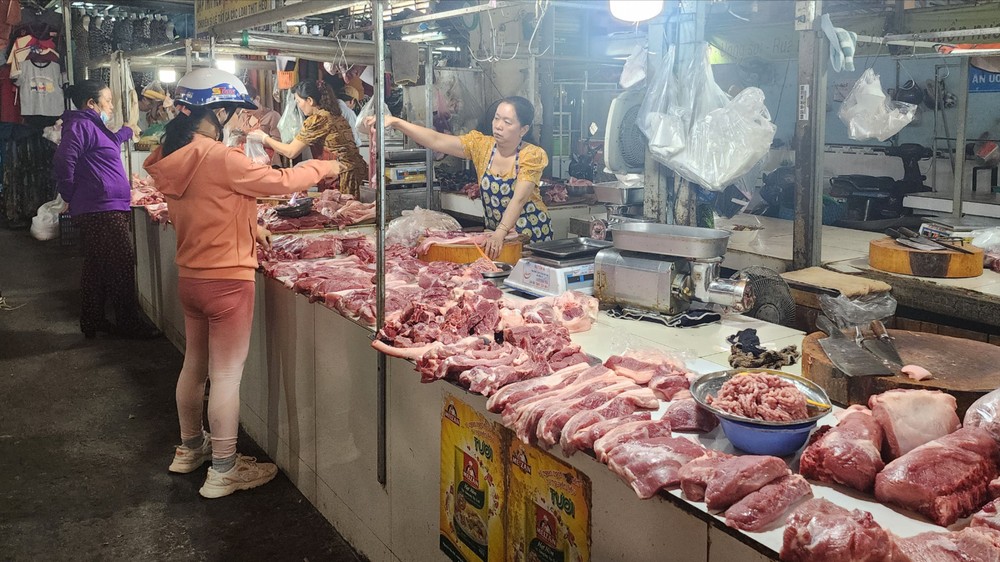
At traditional markets in Duc Nhuan, An Nhon, Tan Dinh, Ban Co, and An Hoi Tay wards, pork prices have risen by several tens of thousands of Vietnamese dong per kilogram compared to late January. Pork belly is currently selling for around VND210,000 per kilogram, spare ribs for VND250,000, lean pork for about VND220,000, pork knuckles for VND150,000–180,000, chops for VND150,000–160,000, and ham cuts for roughly VND150,000 per kilogram.
The sharp disparity between wholesale and retail prices has made many consumers wary of buying pork at traditional markets. Vendors say that although wholesale prices have declined, they cannot immediately adjust retail prices due to operating costs, stall rentals, and the prevailing “Tet pricing” mindset.
Le Ha, a pork vendor at An Nhon Market, said prices typically surge in the days leading up to Tet. Despite daily increases in input costs, she only raises retail prices every few days to retain customers. “Retail pork sales have been difficult in recent years, so I have to apply this approach to keep buyers. Prices will likely continue rising in the coming days,” she said.
Price hikes have also spread to other categories of fresh food. Beef and chicken prices have increased by 5–10 percent compared to the same period last year. Premium beef has risen by about VND20,000 to VND350,000 per kilogram. Free-range chicken has climbed VND10,000–20,000 per kilogram, now ranging from VND140,000 to VND160,000 per kilogram.
Notably, large-sized squid and shrimp are being sold for between VND500,000 and VND1.5 million per kilogram, up more than 30 percent year-on-year, yet remain in strong demand for the 2026 Tet holiday. Even smaller squid are priced at around VND400,000 per kilogram. Similarly, large sea shrimp have recorded steep increases. Live black tiger shrimp, sized at five per kilogram, are now selling for about VND1.5 million per kilogram — VND500,000 higher than previously. White-leg shrimp sized at 10 per kilogram are priced at VND700,000–800,000 per kilogram, up over 30 percent compared to January 2026.
Mr. Tran Van Truong, CEO of the Hai San Hoang Gia seafood chain, said the price surge stems from dwindling catch volumes at key fishing grounds coupled with escalating transportation and labor costs, making a short-term decline in premium squid and shrimp prices unlikely, particularly as demand for Tet gifting and year-end gatherings reaches its peak. If supply does not improve, seafood prices are likely to remain elevated through Tet, he said.
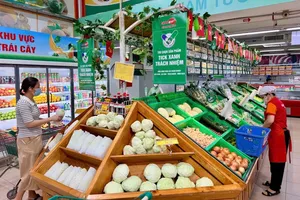
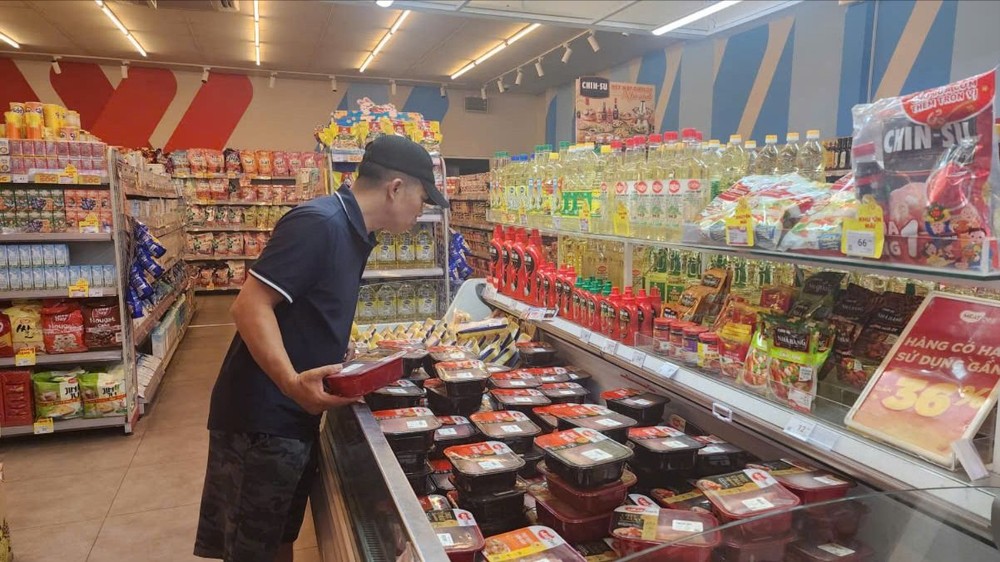
Amid these pressures, modern retail chains have stepped up efforts to stabilize prices. From February 7 to 16, MM Mega Market Vietnam is running a pork festival promotion offering discounts of 15–30 percent on all fresh and imported pork products, with total projected sales of up to 70 tons.
Similarly, GO! supermarket chain has launched a “zero-profit fresh pork” program for the 2026 Lunar New Year, covering more than 70 product codes. Five key items will be price-locked at nearly VND20,000 per kilogram below regular rates, while many others will be discounted by 10–20 percent.
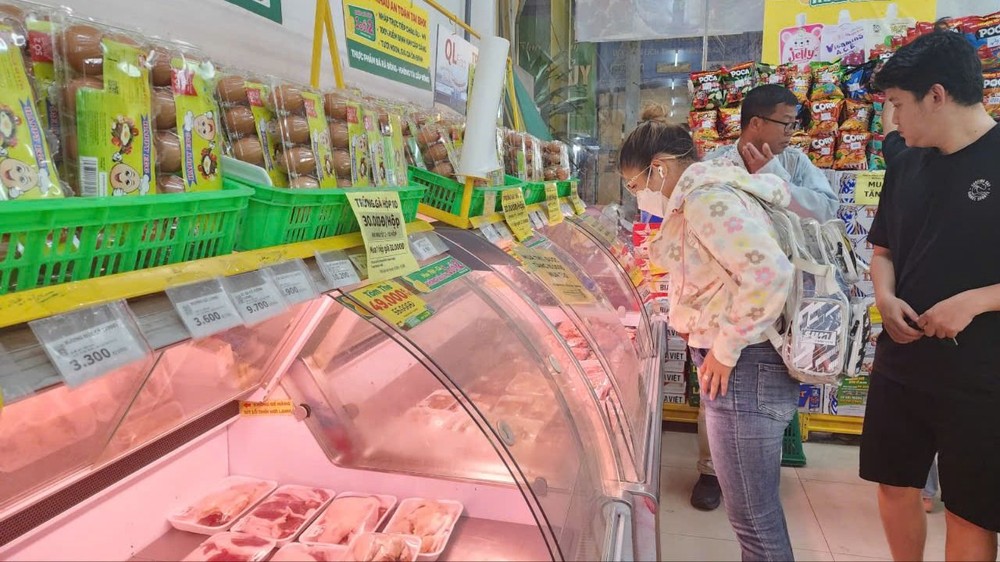
“Our goal is to provide consumers with peace of mind when purchasing essential Tet goods of good quality at reasonable prices. The program will be implemented across all our systems, including GO! and Tops Market,” said Ms. Nguyen Thi Bich Van, Communications Director of Central Retail Vietnam.
Other major retailers, such as Co.opmart, AEON Vietnam, Lotte Mart Vietnam, and Bach Hoa Xanh, are also maintaining stable pork prices under HCMC’s price stabilization program to ensure adequate supply for residents.
According to Mr. Nguyen Nguyen Phuong, Deputy Director of the HCMC Department of Industry and Trade, despite fluctuations in input costs, the city has deployed a range of regulatory measures and stabilization tools to prevent price spikes, shortages, or market disruptions.
“This is the commitment of participating enterprises and reflects the city’s determination to balance supply and demand and stabilize the pork market. With thorough preparations, prices have been kept under control, allowing residents to shop with confidence at outlets participating in the city’s stabilization program,” he said.