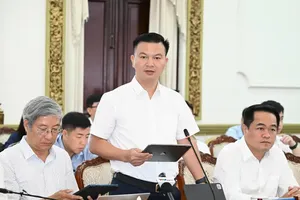
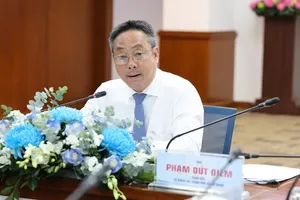
The country has established multiple agricultural export sectors valued at billions of dollars alongside an extensive global market network. However, unlocking further value-added potential hinges on deep processing, building authentic Vietnamese brands, and securing direct entry into global distribution networks.
Stepping up deep processing
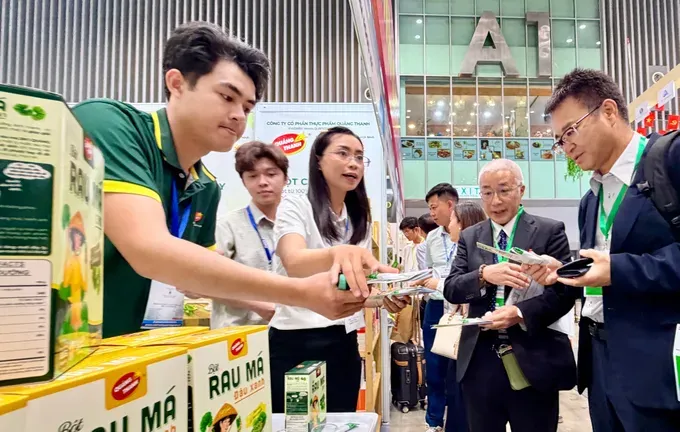
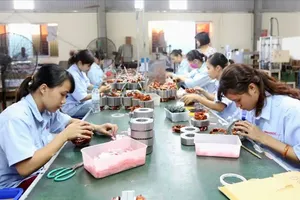
According to Chairman of Phuc Sinh Group, Phan Minh Thong, deep processing can significantly increase the value of raw materials. Coffee cherry skins, which were previously almost entirely discarded, are now processed by the company into cascara tea, a high-value product worth about four times as much as raw coffee beans. The product has been exported to the Netherlands, Italy, and Germany.
Phuc Sinh Group has also invested in processing plants in the former Binh Duong area and Son La Province, developing high-quality and specialty coffee as well as a range of processed products. From a business primarily focused on exporting raw materials, around 98 percent of Phuc Sinh’s revenue now comes from exports.
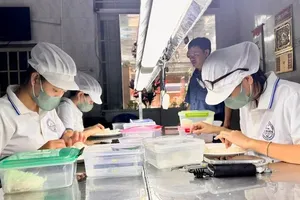
Vinh Thanh Dat Food Joint Stock Company has also developed solutions to increase product value. Deputy General Director Truong Chi Cuong said the company had been selling ready-to-eat eggs domestically for more than 10 years, but it took more than two years of working with Japanese partners to prepare the product for export to Japan.
To meet the requirements of the Japanese market, the company had to upgrade its production facilities to Food Safety System Certification (FSSC) standards, a food safety management system certification scheme. It also had to adjust its recipes, ingredients, flavors, and quality-control processes. In June 2026, the first container shipment, containing 172,000 ready-to-eat eggs under the VFood brand, was exported to Japan.
The value of agricultural products can be increased when businesses go beyond selling raw materials and continue to invest in processing and develop products tailored to market requirements, Deputy General Director of Vinh Thanh Dat Food Joint Stock Company, Truong Chi Cuong.
Rubens Marques, General Director of Louis Dreyfus Company (LDC) Vietnam, said Vietnam has the potential to become a major agricultural and food hub in the region if it improves supply-chain efficiency, steps up deep processing, and meets sustainability standards. As more raw agricultural products are processed into finished goods, greater value will be generated.
Minister of Agriculture and Environment Trinh Viet Hung emphasized that Vietnam must now make a strong shift from a production-oriented mindset toward an agricultural economy, with market demand as the guiding principle and quality and standards as the foundation.
He also called for greater efforts to tap into consumer demand in China, the EU, Japan, Halal markets and other promising markets. Industry associations should play a greater role in supporting businesses in adopting new technologies and developing products tailored to the requirements of individual markets.
Taking Vietnamese brands into the global race
Vietnamese agricultural products are now available in more than 190 countries and territories. In Ho Chi Minh City alone, more than 580 business delegations from 60 countries and territories have taken part in over 3,000 meetings and around 13,000 business-matching sessions since the beginning of September to source products. Major retailers and distribution groups such as Walmart, Aeon, Lotte, Central Group, Mega Market, Pagoda and LuLu have come to Vietnam in search of agricultural and food suppliers.
Chairman of the Singapore Association of Small and Medium Enterprises, Ang Yuit, suggested that to seize the “golden opportunity” to deepen Vietnam’s integration into global markets, the Vietnamese Government should support businesses in building integrated supply chains covering raw-material production, processing, quality control, logistics, and distribution. This would enable them to meet large and stable orders.
Stepping up deep processing, building strong brands, and establishing direct links with international distribution networks are opening up new opportunities for Vietnamese agricultural exports.
This year, Vietnam has set a target of exporting more than US$74 billion worth of agricultural products, a significant increase from the US$70.09 billion recorded in 2025. Several agricultural products and markets have already generated billion-dollar trade flows, including rice exports to the Philippines, which exceed US$1 billion annually, and Vietnamese coffee exports to the European Union, which reached US$3.63 billion.

Deputy Minister of Industry and Trade, Phan Thi Thang
According to Deputy Minister of Industry and Trade, Phan Thi Thang, the ongoing reorganization of global supply chains is creating additional opportunities for Vietnam to participate more deeply in the supply diversification strategies of multinational corporations and international buyers.
With 17 free trade agreements signed and in force, a stable investment environment, and steadily improving production capacity, Vietnamese businesses are well positioned to expand their connections with global markets. However, supply chains are no longer organized primarily around cost and efficiency. Increasingly, they require greater security, resilience, transparency, and sustainability. Buyers not only seek high-quality products but also demand stable production capacity, the ability to meet increasingly stringent standards, and a commitment to long-term cooperation.
This reality requires businesses to proactively listen to market demand and adjust their production and supply capacity accordingly. Trade promotion activities should facilitate direct engagement between businesses and buyers, helping establish stable, flexible, and sustainable supply relationships.
The Ministry of Industry and Trade will continue to leverage Vietnam’s network of overseas trade offices, strengthen the provision of market intelligence, facilitate connections between supply and demand, and support businesses in enhancing their capacity to meet emerging standards.
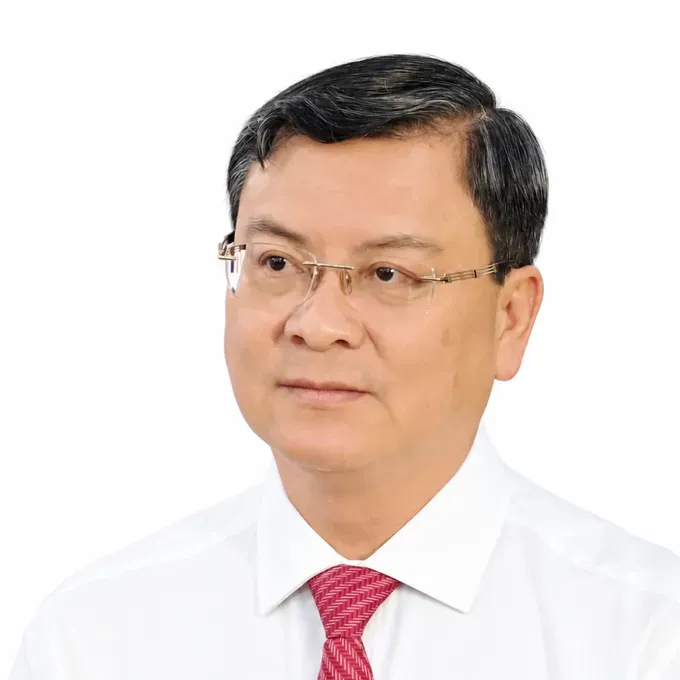
Vice Chairman of the Ho Chi Minh City People’s Committee, Nguyen Cong Vinh
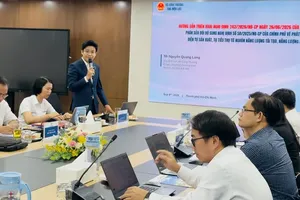
Vice Chairman of the Ho Chi Minh City People’s Committee, Nguyen Cong Vinh, said the city will strengthen research, forecasting, and the provision of updates to businesses on changes in consumer demand, technical and environmental standards, traceability requirements, and trade barriers.
The city will also develop databases of suppliers by product category, strengthen links with suppliers in other localities, and directly connect businesses with major purchasing groups and international distribution networks. This approach will bring markets closer to businesses while enabling buyers to more quickly access suitable sources of supply in Ho Chi Minh City and linked production areas.
Alongside making effective use of free trade agreements, the city will support businesses in expanding into new and niche markets, as well as markets for green products, Halal goods and cross-border e-commerce. Trade promotion activities will also be renewed through digitalization, the application of artificial intelligence and big data, and stronger direct connections with importers.

Mr. Kevin Geneuglijk, Business Development Director at Berkman Forwarding BV of the Netherlands
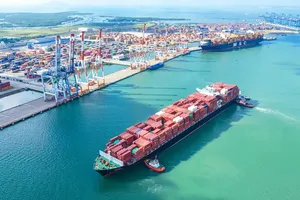
Mr. Kevin Geneuglijk, Business Development Director at Berkman Forwarding BV of the Netherlands, said that price, quality, and delivery time remain fundamental factors in international trade, but buyers are increasingly assessing suppliers based on their ability to consistently fulfill their commitments. A product may be low-priced, but if it arrives late, incurs additional storage costs or fails to reach the market when needed, it can no longer be considered a low-cost product.
This is particularly important for agricultural and food products, as transportation time directly affects their quality, shelf life, and commercial value. Businesses therefore need to calculate the total cost across the entire supply chain rather than focusing solely on freight charges. Decisions on shipping routes, delivery schedules, cold storage, the ability to switch transport modes, and compliance requirements all need to be prepared before goods leave the factory.
As transportation chains may be affected by various external disruptions, businesses also need to reduce their dependence on a single route or logistics solution. When a company can consistently deliver the right product, at the required quality and at the right time, reliability itself becomes part of the value of the goods.