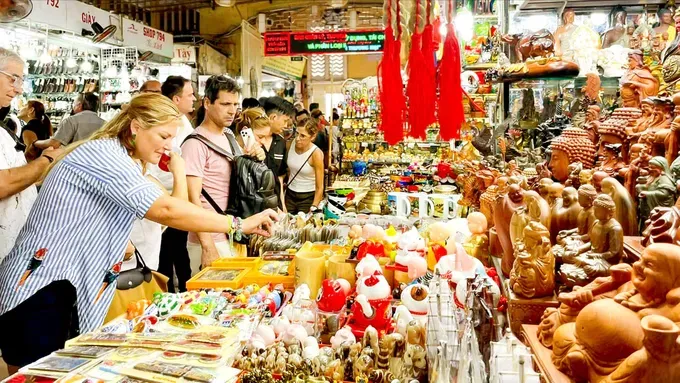
The Ministry of Culture, Sports, and Tourism has outlined three scenarios for 2027–2030. Under the high-growth scenario, international arrivals would rise 15–18 percent annually to reach 45–50 million, while domestic tourism would reach around 160 million trips. Total tourism revenue is projected at US$80–90 billion.
The sector aims to welcome 25–27 million international visitors in 2026, compared with nearly 21.2 million in 2025, up 20.4 percent year on year. Nearly 15.9 million arrived in the first eight months of 2026, up 14.4 percent year on year.
Dr. Tran Tuong Huy, Deputy Director of the Institute for Social Tourism Research, said reaching this year’s target would provide a strong foundation, but attracting up to 50 million visitors within four years would require a fundamental shift in development strategy.
Instead of focusing simply on visitor numbers, Vietnam should strengthen the competitiveness of its entire tourism ecosystem, from aviation and destinations to products, services, data, and promotion, he suggested, noting that there remains significant potential in Northeast Asia, India, Europe, Australia, the Middle East, and North America.
Huy also stressed the need to turn Vietnam’s cultural, culinary, and natural assets into distinctive products capable of keeping visitors longer and increasing their spending.
Assoc. Prof. Dr. Pham Trung Luong, former Deputy Director of the Institute for Tourism Development Research, said the target is ambitious but could provide fresh momentum for the sector. He called for stronger and more coordinated policies on visas, aviation, tourism products, promotion, and human resources.
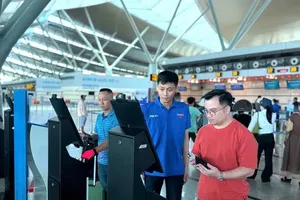
Infrastructure is another major concern. Long Thanh International Airport is expected to add substantial capacity, but transport links connecting airports, cities, and tourist destinations also need to be developed.
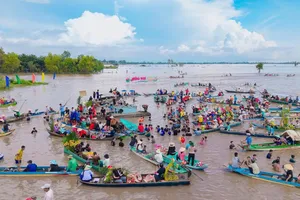
Many destinations still lack basic facilities such as parking areas, public toilets, information centers, piers, and local transport. In the Mekong Delta, for instance, river tourism infrastructure remains below the region’s potential.
Pham Trung Luong said the 45–50 million target should be accompanied by quality indicators such as length of stay, visitor spending, and tourism revenue.
The goal, he stressed, is not simply to attract more visitors but to generate greater and more sustainable value from tourism. With improvements in infrastructure, products, policy, human resources, and governance, Vietnam would be better positioned to reach the 2030 target.





)