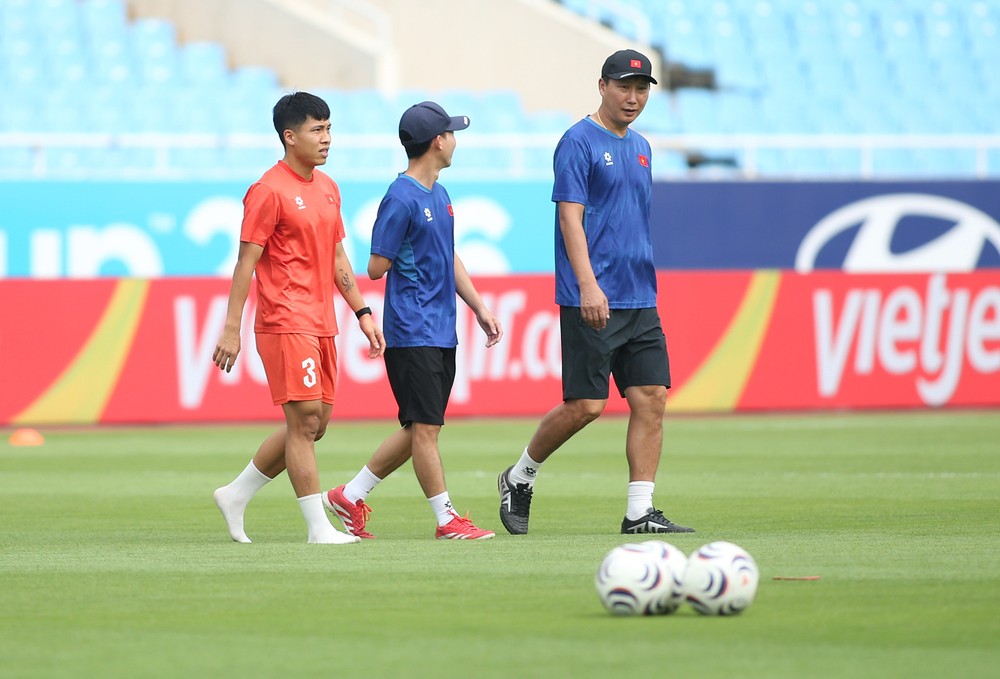
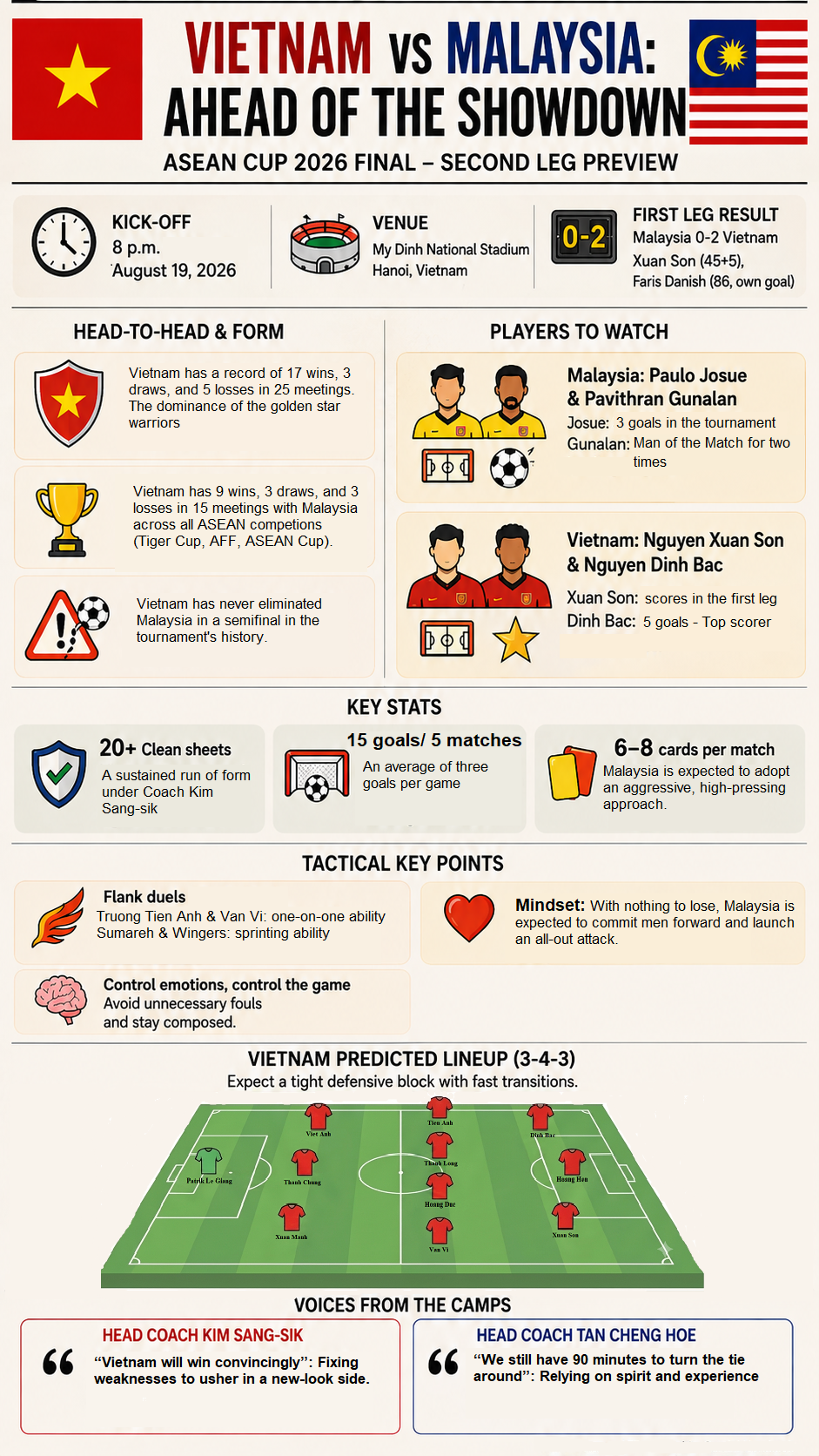
The only likely change could come at left wing-back, where Van Vi is doubtful after suffering a toe injury during training on Aug 18. If he fails to recover in time, Doan Van Hau is poised to deputize. Nguyen Tien Anh is expected to retain his place on the opposite flank.
Vietnam's defense has operated with impressive consistency in recent matches. Goalkeeper Patrik Le Giang and the back three of Viet Anh, Thanh Chung, and Xuan Manh are likely to remain intact, with Coach Kim Sang-sik having little reason to disrupt a unit that has maintained a high level of concentration and stability.
In midfield, Hoang Duc, Thanh Long, and Hoang Hen are expected to continue behind the forward pairing of Dinh Bac and Xuan Son. Maintaining stability in the middle of the park will be central to Vietnam's game plan as it seeks to control the tempo rather than chase the game.
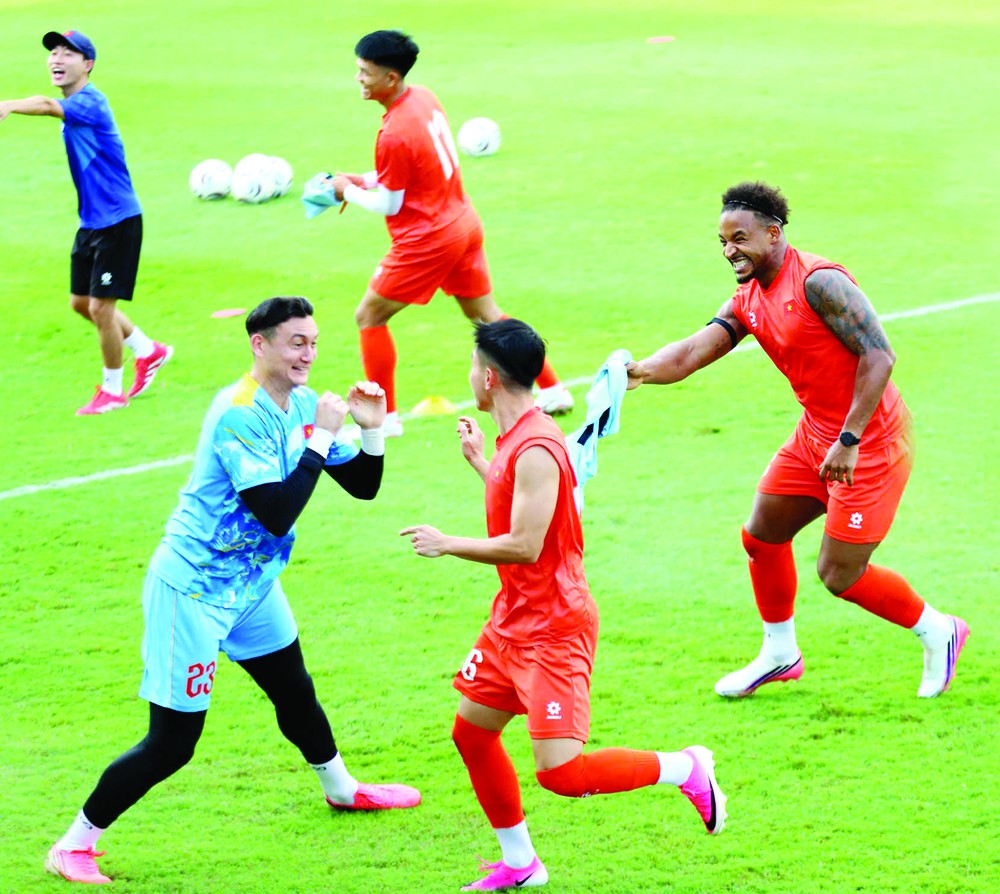
With a two-goal cushion from the first leg, Vietnam does not need to take unnecessary risks. A disciplined and pragmatic approach should be the priority, allowing the defending champions to protect their advantage while preserving the fitness of key players for the final.
Players such as Quang Hai, Tai Loc, and Hai Long are therefore likely to remain among the substitutes, ready to be introduced according to the match situation and Coach Kim Sang-sik’s tactical calculations.
Vietnam, however, cannot afford complacency. Since the ASEAN Cup adopted the two-legged semifinal format in 2004, no team that has lost the first leg by two or more goals has overturned the deficit in the return match. Yet history offers Vietnam a warning. At the 2014 AFF Cup, Vietnam defeated Malaysia 2-1 in Kuala Lumpur before suffering a 4-2 defeat at My Dinh Stadium in a remarkable collapse.
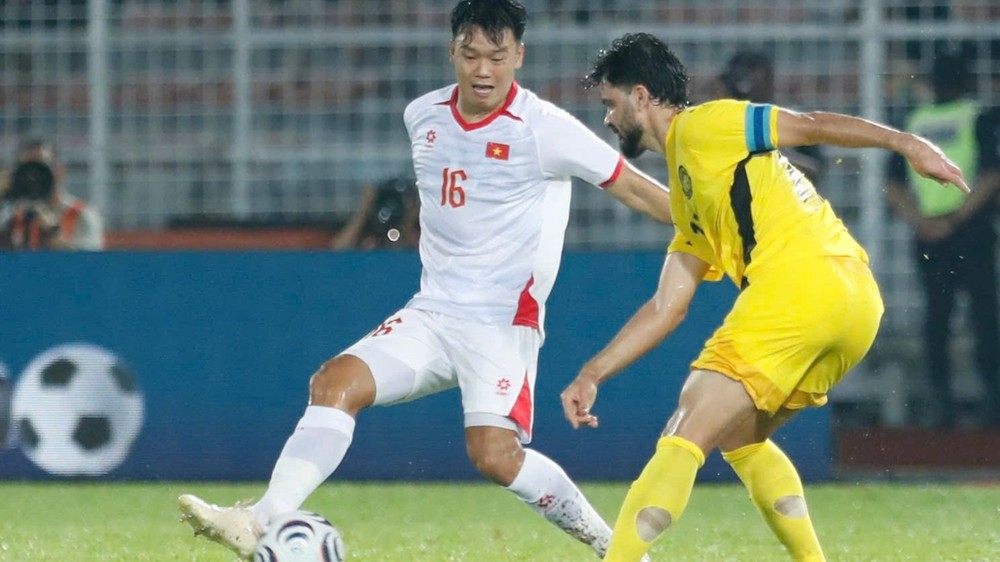
Malaysia enters the second leg in a similarly difficult position, but Coach Tan Cheng Hoe has insisted that his team has not abandoned hope. Malaysia performed well in the opening leg despite missing several key players and without the burden of excessive psychological pressure.
The visitors can also draw confidence from their record in the competition. Malaysia has reached the semifinals seven times since 2004, advancing to the final on three occasions. Vietnam was defeated in two of those campaigns, in 2010 and 2014.
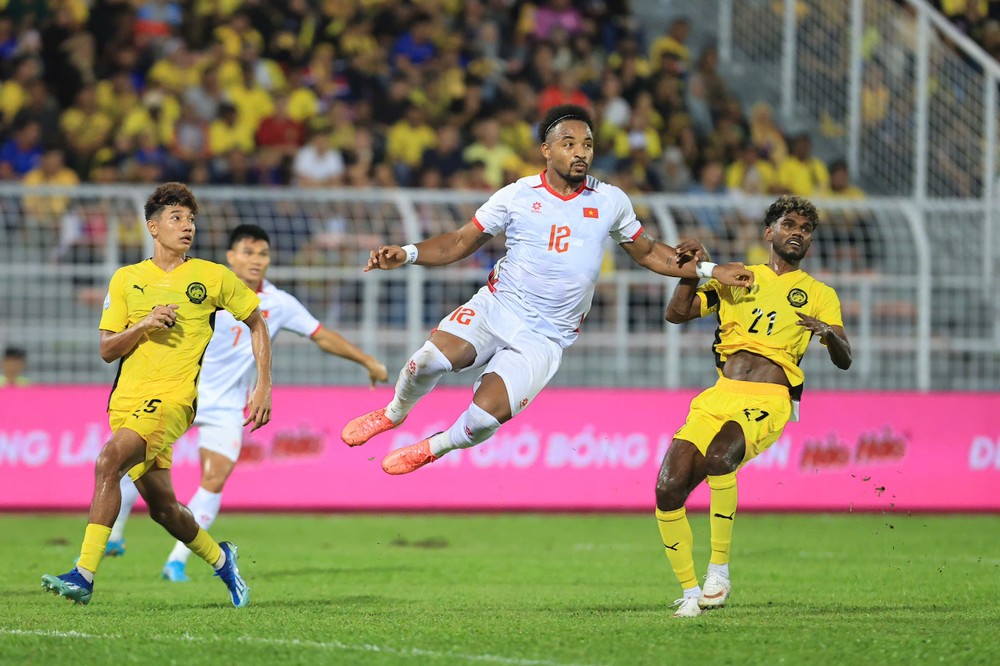
Facing an opponent with little left to lose, Vietnam will need to remain compact, curb their enthusiasm and avoid being drawn into Malaysia’s physical style of play. Coach Kim Sang-sik is expected to retain his winning lineup while demanding greater discipline from his players.
A pragmatic, patient game plan could prove decisive. Rather than committing men forward, Vietnam can wait for Malaysia to push higher in search of goals and exploit the spaces left behind.
Advancing with a minimum of exertion would also give the coaching staff greater room to prepare for the final. Should Vietnam qualify, they will have to travel to Thailand early to prepare for the first leg, while the hosts will enjoy a significant physical advantage after having more recovery time and avoiding travel after their semifinal.
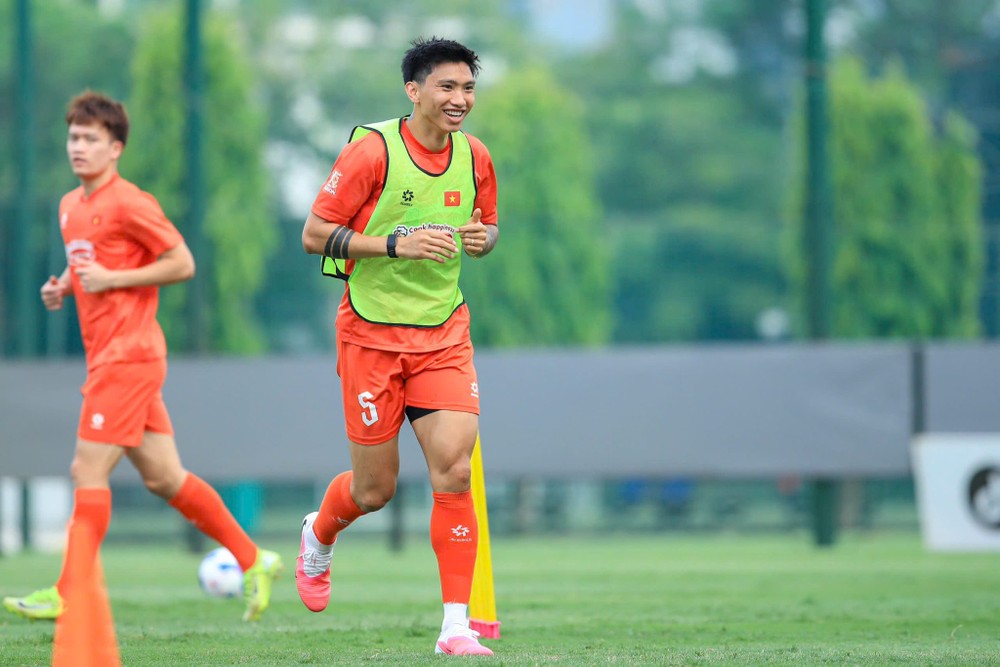
The pressure is not limited to the pitch. Ticket prices for the match have surged on the black market, with tickets originally priced at VND300,000 reportedly being offered for around VND700,000, while VND700,000 tickets have been listed at about VND1.5 million. Some fans have reportedly walked away after asking about prices, apparently waiting until closer to kickoff in the hope that resale prices will fall.
For Vietnam, however, the priority is clear: remain composed, defend the two-goal lead and avoid unnecessary risks. A controlled performance against a Malaysia side forced to attack could be the key to keeping the title defense on course.
Vietnam vs Malaysia, semifinal second leg: 8 p.m. on August 19.

















)