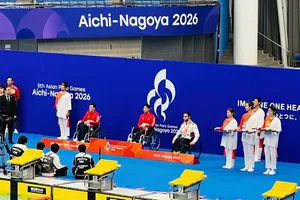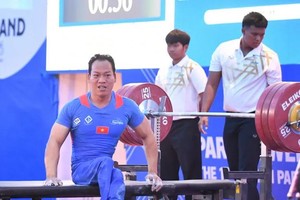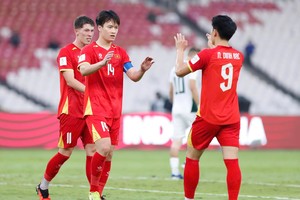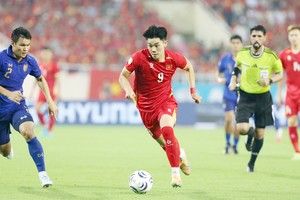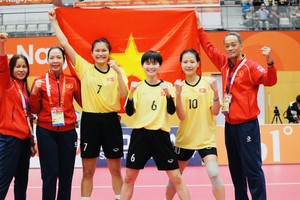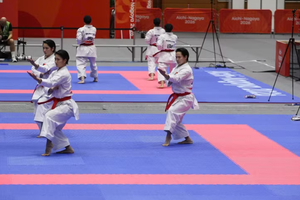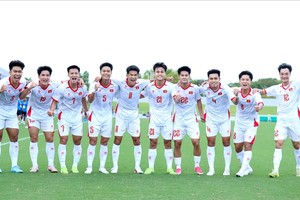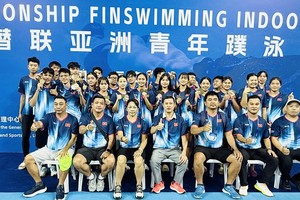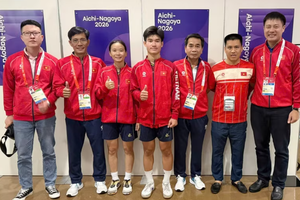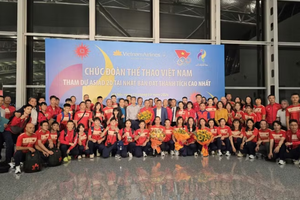
Vietnam is targeting four to six gold medals at the Games, which run from Sep 19 to Oct 4. The national delegation will hold its official send-off ceremony in Hanoi on Sep 9.
The 498-member delegation includes 348 athletes competing across a range of sports.
The Games will be Vietnam's first major continental competition since the country adopted several significant sports development initiatives, including its strategy through 2030 with a vision to 2045, a plan to break into the top 50 of the Olympic medal standings, and a program concentrating investment on national teams.
The new approach marks a shift away from broadly distributing resources toward prioritizing sports, disciplines and elite athletes considered capable of competing for medals at Asian and world level.
Forty-four years after Vietnam competed at the 1982 Asian Games in New Delhi, the country is increasingly viewing the continental event as a benchmark for its international ambitions.
Japan's exacting organizational standards, combined with fierce competition from Asia's strongest sporting nations, are expected to expose both Vietnam's strengths and weaknesses, giving sports administrators a more realistic assessment of the country's current capabilities.
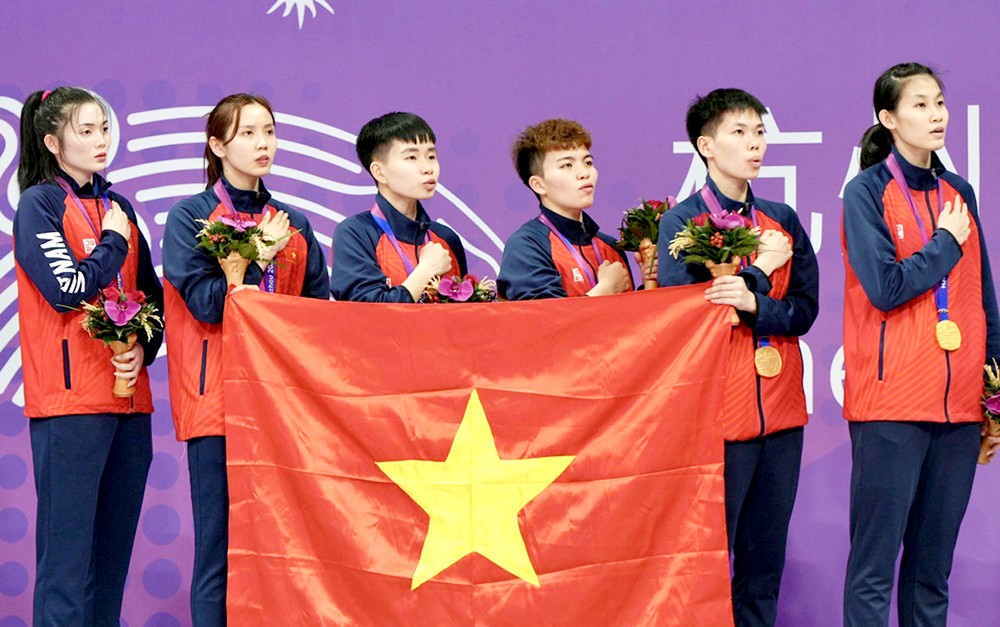
Vietnam is aiming for four to six gold medals, a substantial improvement on the one gold it won at the 19th Asian Games in Hangzhou, China.
Yet expectations extend beyond the medal table. Coaches and experts will also be watching for performances approaching world-class standards, athletes' ability to withstand pressure against the continent's best competitors, and signs of progress among emerging talents.
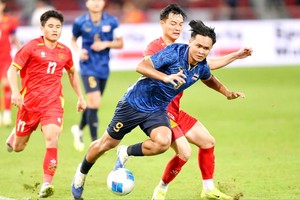
The Aichi-Nagoya Games will also mark the continental debut of a new generation of Vietnamese athletes, many of whom gained valuable competitive experience at the 33rd SEA Games.
They are viewed as the core of a new generation expected to reshape Vietnamese sport over the next decade and strengthen the country's push toward sustained success on the Asian and Olympic stages.