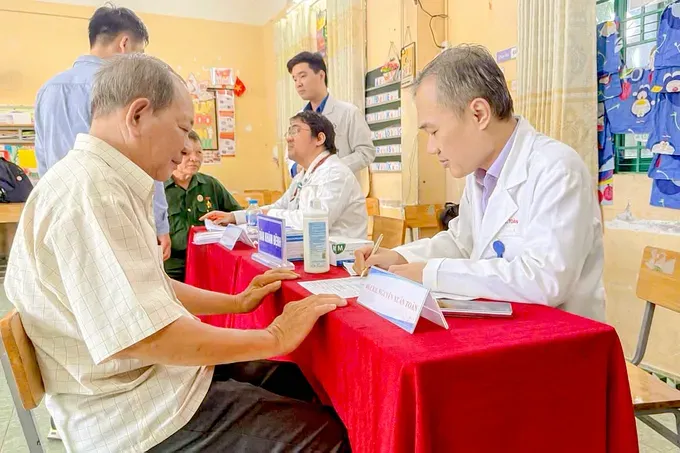
To elevate the quality of public healthcare and tackle one of the world’s fastest-aging populations, the Politburo has issued Resolution No. 72-NQ/TW (Resolution 72), outlining breakthrough solutions aimed at bolstering the protection, care, and enhancement of people’s health.
Within this resolution, the Politburo laid out strategic solutions to promote a more holistic healthcare approach for senior citizens. From models like “morning drop-off, evening pick-up” to broader anti-loneliness strategies for the elderly, a comprehensive care ecosystem is gradually taking shape. It appears this shift promises to turn the demographic challenge of an aging population into a golden opportunity to build a humane and sustainably developed society.
Resolution 72 isn’t merely an administrative document; rather, it represents the crystallization of a fresh mindset regarding social welfare. The most significant breakthrough reportedly lies in establishing a synchronized system of solutions, ranging from fortifying the grassroots medical network to developing community-based eldercare models.
Deputy Secretary General of the Vietnam Medical Association Truong Hong Son, MD PhD, argued that placing family-oriented seniors into isolated nursing homes could trigger severe psychological shock. Fortunately, Resolution 72 and its accompanying policies have fundamentally transformed the landscape. These directives promote models perfectly aligned with traditional culture, ensuring the elderly receive professional care without being severed from familial warmth.
Currently, the Ministry of Health has codified regulations to provide comprehensive care for Vietnamese seniors. They specifically focus on developing a diversified eldercare system, encompassing self-care, in-home assistance, and community-based frameworks, to elevate their overall quality of life. Simultaneously, authorities are encouraging socio-political organizations to invest in intergenerational models, alongside establishing day-care and semi-boarding facilities. This diversified approach is widely considered a timely solution to the complex eldercare puzzle in major metropolises.
“The construction and operation of an eldercare facility must strategically calculate community linkage capabilities and optimize geographical locations, favoring residential neighborhoods over isolated areas. This element helps seniors maintain their social connections, allowing them to listen to and observe everyday life while making it highly convenient for families to visit. Also, establishing an on-site support network by connecting available local resources like ward and commune medical stations, hospitals, elderly clubs, and student volunteers, to coordinate cultural activities, social exchanges, and visits will undoubtedly bring a rich spiritual life to our seniors.”
Director Mai Thi Huong of Tam An Nursing Home
According to Head Nguyen Xuan Truong of the Elderly Healthcare Department (under the Vietnam Population Authority – Ministry of Health), the semi-boarding care model allows seniors to visit centers during the daytime for rehabilitation, health monitoring, and socializing before returning home at night. This framework provides intensive medical observation while letting them reunite with their families.
Ultimately, this dual-purpose strategy liberates the younger generation’s workforce while guaranteeing the elderly a high quality of life. Furthermore, this flexible model permits necessary overnight stays, alleviating family burdens while maintaining professional standards. “Incentivizing organizations through lucrative land, tax, and credit benefits will rapidly establish a sustainable geriatric care network,” he emphasized.
A drastic step taken by the Government to actualize eldercare goals is Directive No. 35/CT-TTg, requiring localities to reorganize redundant physical headquarters into dedicated day-care centers and community houses. This pragmatic solution addresses increasingly scarce urban land funds.
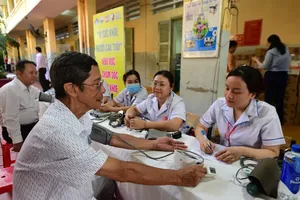
Vacant commune headquarters following administrative mergers are now transformed into “Intergenerational Self-Help Clubs.” There, seniors practice exercises, receive routine medical checks, read newspapers, and pass down lifelong experiences to the younger generation. This model saves the state budget while creating a vibrant space, ensuring the elderly remain a crucial part of the community.
Furthermore, Deputy Director Pham Vu Hoang of the Vietnam Population Authority suggested that encouraging private investment in neighborhood nursing homes integrated into modern residential areas is a promising avenue. “Preferential policies on land, taxes, and credit will serve as catalysts to vigorously activate the geriatric service market,” he stressed. “We desperately need high-quality facilities for the ever-growing upper-middle-class segment, not just protection centers for the underprivileged.”
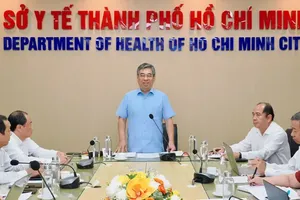
According to Director of the HCMC Department of Health Assoc Prof Tang Chi Thuong, MD PhD, developing the eldercare system must be viewed as a vital component of the HCMC sustainable development strategy amidst rapid demographic aging. It is crucial to forge tight integration between healthcare, social security, and the community. This ensures seniors receive continuous care tailored precisely to their health conditions and practical needs.
HCMC will soon develop modern nursing homes following a long term care ecosystem. Drawing from developed nations, the city plans a layered model ranging from home assistance to terminal palliative care. This ensures citizens are adequately cared for at the right time, enhancing life quality while significantly reducing strain on medical facilities. Additionally, the city will standardize service quality criteria, construct a sustainable financial mechanism, and actively encourage socialization to guarantee access for vulnerable populations.
Deputy Director Pham Binh An of the HCMC Institute for Development Studies stated that the city needs to consult various eldercare models from countries around the globe. Japan, a “super-aged” nation, has successfully transitioned from family-reliant care to a robust social security system, grounded in long-term care insurance and community-based integrated care models.
Similarly, Singapore has built a multi-layered care ecosystem that fuses finance, community services, and age-friendly urban planning while heavily emphasizing preventive medicine linked with family doctors. Thailand has developed a sprawling network of over 1 million community health volunteers, combining long-term care funds and universal health insurance with a multi-tiered service system spanning from in-home care to professional nursing facilities.



)