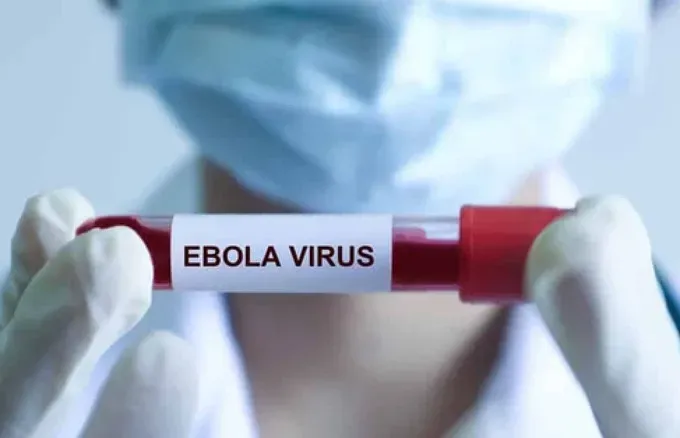
On May 24, the Department of Medical Service Administration under the Ministry of Health issued an urgent dispatch to provincial and municipal Departments of Health and hospitals nationwide regarding proactive measures for the prevention and control of Ebola virus disease.
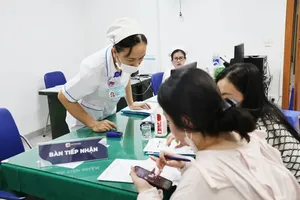
Accordingly, the Department of Medical Service Administration requested relevant units and localities to strengthen disease prevention and control activities within healthcare facilities, with particular attention to cases involving individuals who have recently arrived from countries that have had or are currently experiencing outbreaks within the past 21 days.
In addition, healthcare facilities are urged to enhance the implementation, inspection, and supervision of infection prevention and control measures and to carry out effective screening, triage, and strict isolation of all suspected or confirmed Ebola virus cases at treatment facilities.
Healthcare facilities are required to proactively detect suspected cases at an early stage in order to ensure timely isolation and to coordinate with preventive and laboratory units in testing, diagnosis, treatment, and control in accordance with the Ministry of Health’s professional guidelines.
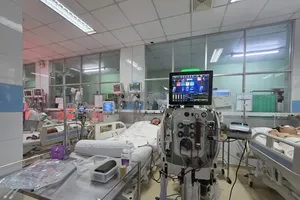
In particular, it is necessary to review, inspect, and prepare personal protective equipment for healthcare workers and isolation conditions, as well as diagnostic and treatment capacity, so as to ensure readiness to receive and manage patients infected with Ebola virus disease.
According to the Department of Medical Service Administration, Ebola virus disease is an acute and severe infectious disease in humans, often accompanied by hemorrhagic syndrome and multiple organ failure, with a case fatality rate that can reach up to 90 percent. The disease is transmitted through direct contact with tissues, blood, and bodily fluids of infected animals or humans and may lead to outbreaks.
The virus can also be transmitted from person to person through direct contact via broken skin or mucous membranes with blood, secretions, and bodily fluids (feces, urine, saliva, and semen) of infected individuals. Infection may additionally occur through contact with contaminated instruments or objects used by patients, such as clothing, bedding, or used needles.
According to information from the World Health Organization (WHO), between May 5 and May 20, 600 suspected Ebola cases were recorded in the Democratic Republic of the Congo and the Republic of Uganda, including 139 deaths. More than 50 cases have been confirmed to be infected with the Bundibugyo strain, one of the six strains of the Ebola virus.
In response to this complex situation, the WHO has declared the Ebola outbreak caused by the Bundibugyo strain of the virus in the Democratic Republic of the Congo and Uganda a Public Health Emergency of International Concern.