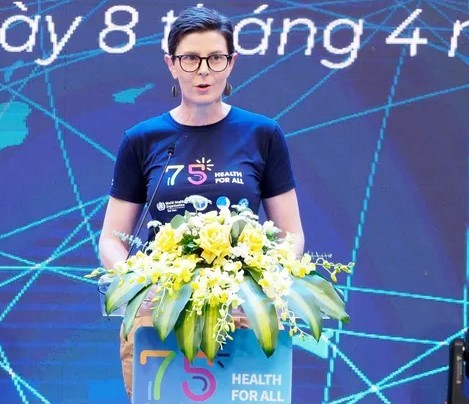
Amid increasingly complex developments in the global Ebola outbreak, Dr. Angela Pratt, Representative of the World Health Organization (WHO) in Vietnam, spoke to the press about issues related to the deadly disease on May 24.
According to Dr. Pratt, the WHO Director-General recently declared a Public Health Emergency of International Concern (PHEIC) over the outbreak caused by the Bundibugyo strain of the Ebola virus in the Democratic Republic of the Congo and Uganda. The Bundibugyo strain is a rare form of the Ebola virus for which no licensed vaccine or treatment currently exists, making containment more difficult than in previous outbreaks.
As of May 21, Congo had recorded 746 suspected cases, including 176 suspected Ebola-related deaths including healthcare workers. In Uganda, two cases had been reported, including one death.
Among the suspected cases in the two countries, health authorities have confirmed 85 Ebola infections. The WHO currently assesses the risk of the outbreak as very high at the national level in Congo and Uganda, high across the African region due to urban transmission, population mobility, instability, and limitations in healthcare systems, and low at the global level, including in Vietnam.
In response to the situation, the WHO and its partners are focusing on strengthening surveillance and early case detection, contact tracing, infection prevention and control measures, expanding isolation and treatment capacity, increasing community engagement, and enhancing preparedness and cross-border coordination among affected countries and partners.
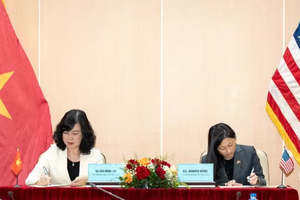
In Vietnam, the WHO Office is closely coordinating with the Ministry of Health to provide updated information on the outbreak and advise on preparedness and response measures.
A PHEIC is defined as an extraordinary event that is determined to constitute a public health risk to other States through the international spread of disease and to potentially require a coordinated international response.