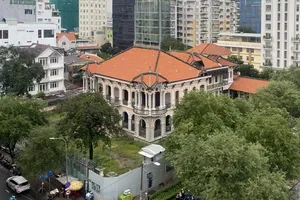
The strategy also envisions developing at least 10 globally competitive cultural and heritage tourism destinations while expanding international recognition of Vietnam's culture, arts and heritage.
Deputy Prime Minister Pham Thi Thanh Tra has signed Decision No. 1306/QD-TTg approving the Strategy for International Cultural Engagement through 2030, with a Vision to 2045.
The strategy seeks to proactively deepen Vietnam's international cultural integration by promoting the country's cultural values globally while embracing the best of world cultures. It aims to build an advanced Vietnamese culture rooted in national identity, strengthen the country's soft power, support rapid and sustainable development, enhance Vietnam's international standing and influence, and contribute to global cultural diversity.
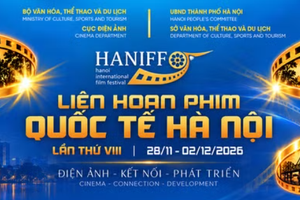
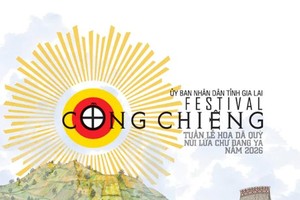
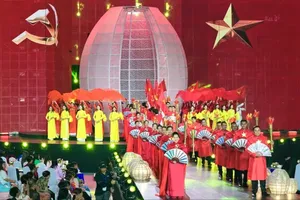
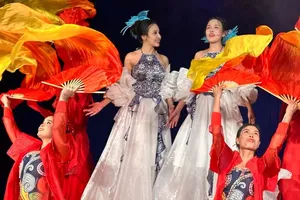
For the 2026–2030 period, Vietnam aims to win at least five prestigious international awards in culture and the arts, with a focus on music, cinema and literature. It also plans to establish and sustainably operate five internationally branded arts festivals in key localities, positioning them as leading cultural destinations in the region.
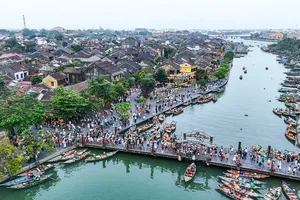
The strategy further targets securing international recognition from UNESCO and other specialized organizations for at least five additional heritage sites or cultural titles. It also calls for developing at least 10 cultural and heritage tourism destinations into globally competitive national brands with strong international recognition, while establishing one to three new Vietnam Cultural Centers in strategic overseas locations.
Looking ahead to 2045, Vietnam aspires to become one of the region's leading cultural and creative hubs. Key targets include winning at least 15 more prestigious international awards in culture, the arts, and cultural industries; hosting at least one global-scale event, such as a World Expo, Specialized Expo, or a major international sporting or cultural event; and gaining international recognition for 15 additional heritage sites or titles.
The strategy also sets the goal of placing Vietnam among the top three countries in ASEAN and the world's top 30 in the national Soft Power Index by 2045.
To achieve these objectives, the strategy emphasizes renewing approaches to cultural diplomacy, enhancing the quality and creativity of international cultural promotion, and diversifying methods of promoting Vietnam's national cultural brand worldwide.
It also calls for strengthening cultural diplomacy activities during overseas visits by senior Party and State leaders, while expanding sports diplomacy through hosting, organizing, and participating in major international sporting events and regional and continental competitions.