The Vietnam National Institute of Culture, Arts, Sports and Tourism Studies under the Ministry of Culture, Sports and Tourism on July 13 held a seminar in Hanoi on "Cuisine and the Development of Vietnam's Tourism", bringing together experts to discuss ways to transform Vietnamese cuisine into a stronger competitive advantage for attracting international visitors and promoting sustainable tourism.
Speaking at the event, Nguyen Thi Hoa Mai, Deputy Director General of the Vietnam National Authority of Tourism, said the Ministry of Culture, Sports and Tourism is finalizing a proposal to submit to the Prime Minister on promoting Vietnamese culinary tourism for the 2026–2035 period. The proposal identifies cuisine as one of the core elements in building Vietnam's national tourism brand.
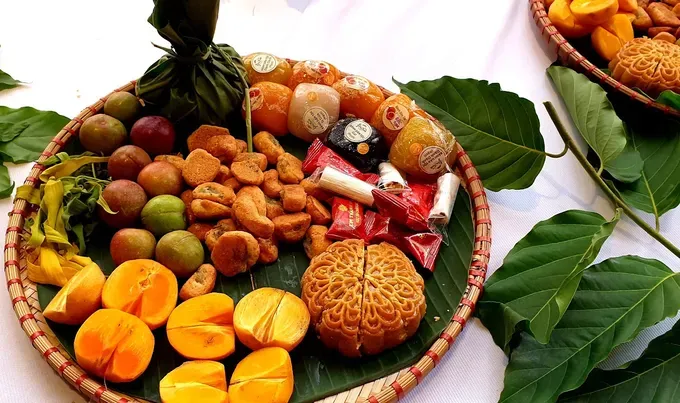
According to her, more than 80 percent of international travelers choose to experience local cuisine while traveling, with 25 percent –35 percent of their travel spending allocated to food and beverages. This highlights the role of cuisine not only as a source of tourism revenue but also as a driver of the creative economy, the night-time economy and regional connectivity.
She noted that many countries have successfully used cuisine to shape their national tourism brands by telling stories about history, culture, indigenous knowledge, customs, and lifestyles through their signature dishes, rather than simply promoting individual foods. The proposal aims to place Vietnam among Asia's five most attractive culinary destinations by 2035.
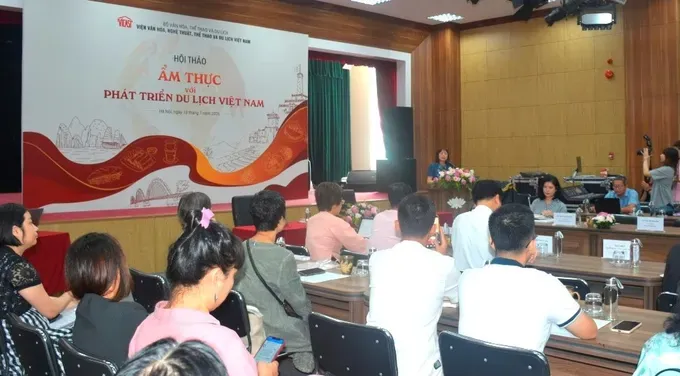
At the seminar, Dr. Hoang Thi Binh, Deputy Director of the Vietnam National Institute of Culture, Arts, Sports and Tourism Studies, said that Vietnam possesses a rich culinary heritage developed over thousands of years, encompassing the cuisines of all 54 ethnic groups, from royal and traditional dishes to street food and regional specialties.
She noted that a growing number of Vietnamese restaurants have been recognized by the Michelin Guide, while many localities have developed culinary tours and food festivals, helping transform cuisine into a competitive advantage for the tourism industry.
However, experts agreed that Vietnam has yet to fully capitalize on its culinary potential. Culinary tourism products remain fragmented, while coordination among the cultural, tourism, agricultural, and creative sectors is still limited. Digitalization, database development, product standardization, and national branding also require further improvement.
Participants proposed building an integrated culinary tourism ecosystem, developing a national culinary database and food map, and strengthening the role of artisans, chefs, businesses, and local communities in turning Vietnamese cuisine into a signature tourism product and enhancing the country's tourism competitiveness.