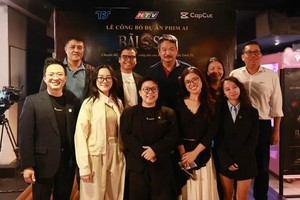
As Vietnam accelerates its national digital transformation agenda, the launch of the ViLIB shared digital library platform marks a significant step toward expanding access to knowledge resources. The platform is expected to help break down fragmented information silos, optimize public investment costs, and create new opportunities for the development and dissemination of digital knowledge nationwide.
ViLIB aims to break down digital library silos
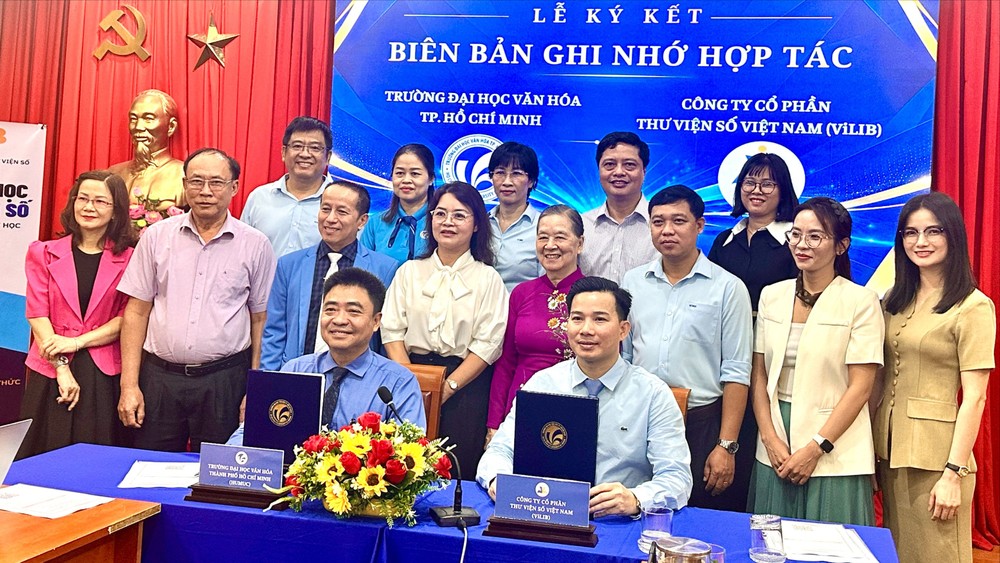
Alongside traditional printed books, reading demand in a digital society has undergone profound changes, with a significant portion shifting to accessing books and multimedia digital learning resources anytime, anywhere.
In response to reader needs, library systems have stepped up the construction of digitized document systems to meet diverse demands. However, after a period of implementation, many libraries and educational institutions independently invested in separate software systems and data repositories.
Spontaneous digital transformation lacking synchronized connection standards created closed "data islands." This led to scattered resources and wasted budgets, as users at one library could not access the resources of another.
Furthermore, for libraries in wards and communes or small and medium educational institutions, investing in a complete, modern digital library infrastructure on their own often exceeds their financial and human resource capabilities.
Facing these limitations, the launch of the ViLIB Shared Digital Library Platform, which has been developed by Vietnam Digital Library Joint Stock Company, is regarded as a new solution in today's digital knowledge era.
According to Nguyen Anh Dung, Founder and General Director of Vietnam Digital Library Company, this is a model where multiple independent libraries can share an infrastructure, technology, data, and qualified resource framework while still maintaining their own dedicated space, users, collections, endogenous resources, and appropriate governance rights. ViLIB does not aim to build a single digital library to replace existing ones.
Things that can be shared do not need repetitive investment, while matters belonging to the private governance rights of each library must be respected. ViLIB is built so that each library remains itself, but when needed, it can access larger resources, helping knowledge resources reach the right users within the proper scope of rights, Founder and General Director of Vietnam Digital Library Company Nguyen Anh Dung said.
Copyright is the key to shared libraries
According to Nguyen Le Na, a librarian at Foreign Trade University Ho Chi Minh City, shared digital library models appeared early globally, with the most famous examples being Europeana, HathiTrust, OhioLINK, and GALILEO (Georgia Library Learning Online).
In a digital society, shared libraries are becoming increasingly popular due to benefits such as investment cost savings, offsetting technology and personnel constraints, and optimization through cloud computing. However, one of the crucial issues to note when using a shared library model is copyright.
Shared digital libraries should focus only on open documents, licensed endogenous documents, and negotiated electronic contracts.
Specifically, for endogenous documents such as theses, dissertations, and scientific research, universities must require authors submitting deposit copies to sign a commitment licensing digitization to the university library. Only when authors agree to grant broad rights allowing digitization, reproduction, and publication will the library meet legal conditions to share the material on the common system for public use.
"For commercial documents, libraries must absolutely not digitize them on their own. Digitization applies only to materials that have been granted authorization or whose copyright protection period has expired", librarian Nguyen Le Na emphasized.
The launch of a shared digital library platform like ViLIB is seen as a practical solution meeting the requirements of national digital transformation. When infrastructure is shared and knowledge is transparently connected, the doors of society's knowledge repository will open wide to all citizens, laying a solid foundation for a lifelong learning society.
Developing a shared digital library system is not merely a technology initiative but a fundamental shift in the way libraries are organized, managed, and developed, according to Associate Professor Nguyen The Dung, former Principal of Ho Chi Minh City University of Culture.
He said the model reflects an inevitable trend toward greater interoperability and connectivity among libraries, enabling more efficient use of information, financial, human, and technological resources. The system would also help ensure equal access to information and knowledge for all citizens.