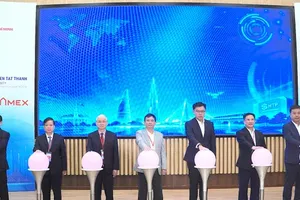
More than 400 delegates and representatives from over 50 semiconductor enterprises, research institutes, universities, and localities from Vietnam and South Korea gathered on the afternoon of November 12 for the first Vietnam – Korea AI- Semiconductor Summit (VKAISS 2026).
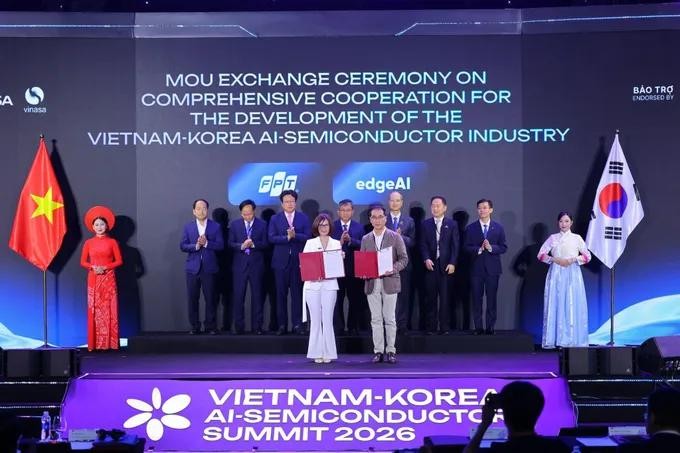
The event was co-organized by the Authority of Digital Technology and Artificial Intelligence under the Ministry of Science and Technology, FPT Corporation, the Korea AI Fabless Semiconductor Association (KAISA), and the VINASA Semiconductor Industry Development Committee, under the patronage of the Ministry of Science and Technology. Under the theme "Shared Vision – Opening New Horizons," the summit aimed to strengthen bilateral cooperation in technology development, human resources, and semiconductor supply chains.
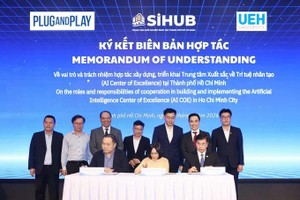
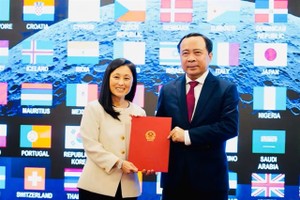
At the event, Vietnamese and South Korean businesses, associations, and training institutions exchanged eight memorandums of understanding (MOUs) on comprehensive cooperation for the development of the Vietnam - Korea AI- Semiconductor Industry in three key areas such as connecting businesses and semiconductor supply chains, developing technology, and training human resources. The agreements seek to leverage the complementary strengths of both sides, promote applied research, commercialize products, and expand market access opportunities.
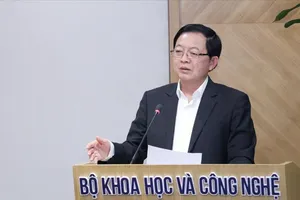
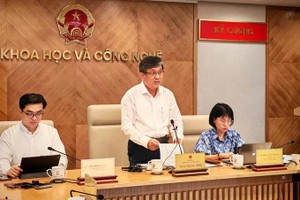
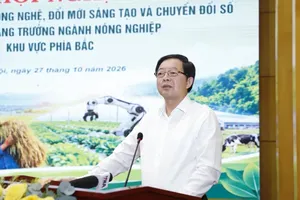
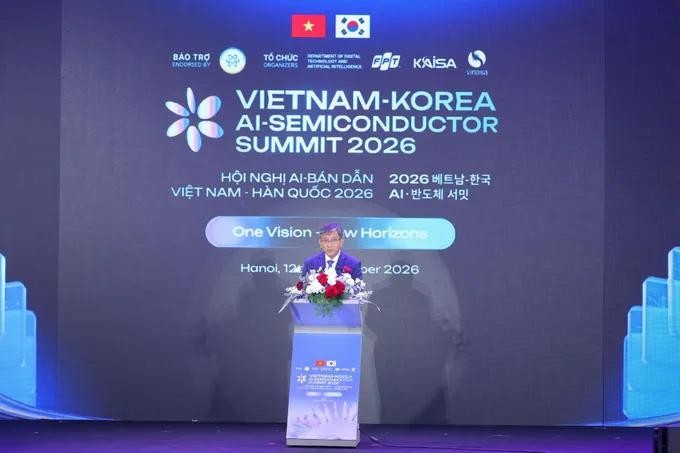
Speaking at the summit, Deputy Minister of Science and Technology Tran Trung Tinh emphasized that AI and semiconductors are two mutually supportive fields playing an important role in the national strategy for technological self-reliance. Vietnam's goal is not only to attract investment, but also to gradually master technology and participate more deeply in the global value chain.
Building on that foundation, Deputy Minister Tran Trung Tinh outlined three key priorities for cooperation with South Korea. These include moving from manufacturing and investment toward joint research, design, and product development, establishing high-quality human resource training as a long-term pillar, and building an open, safe, and trustworthy AI-semiconductor ecosystem.
Also at the conference, Director Nguyen Anh Tuan of the National Center for Supporting Semiconductor Chip Trial Production under the Authority of Digital Technology and Artificial Intelligence highlighted the importance of strengthening Vietnam – South Korea cooperation in human resource development, research, and the commercialization of specialized chips. In particular, he called for promoting the "three-house" cooperation model where the State facilitates, universities serve as the center, and businesses accompany in training human resources, conducting research, and commercializing specialized chips.
KAISA Chairman Kim Kyung Ho praised the combination of South Korea's technology and semiconductor industrial capacity with Vietnam's talented workforce and growing market, noting it will generate strong synergistic value. He expressed his expectation that VKAISS will develop into a sustainable cooperation platform between Vietnam and South Korea in the AI and semiconductor sectors.
Deputy Director Nguyen The Phuong of FPT Corporation said the signed agreements are only the starting point, adding that the decisive factor lies in the parties identifying priority contents, assigning focal points, and maintaining implementation progress.
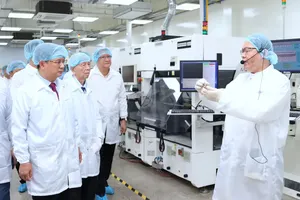
According to FPT Corporation Deputy Director Nguyen The Phuong, the effectiveness of Vietnam – South Korea cooperation needs to be demonstrated through concrete results such as joint research programs, human resource training linked to practical needs, and the development of applicable products. Currently, FPT is gradually developing chip research and design capabilities, operating a pilot semiconductor packaging and testing plant in Bac Ninh City, and implementing workforce training programs.
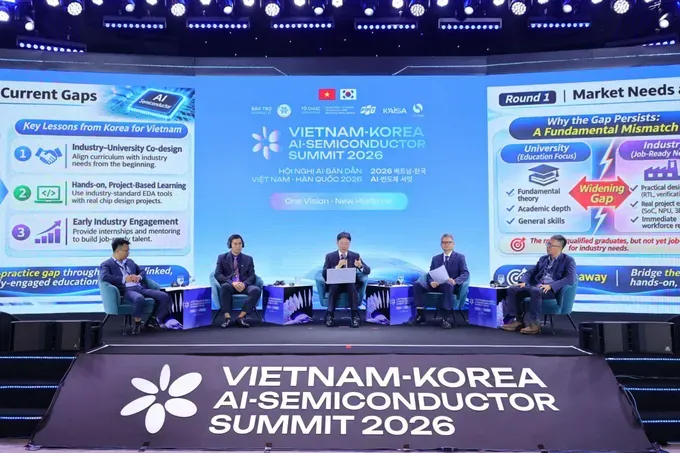
Alongside the signing activities, VKAISS 2026 held thematic seminars on workforce development and AI-semiconductor supply chain connectivity, as well as nearly 100 direct business-matching sessions between Vietnamese and South Korean enterprises.
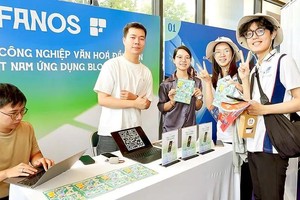
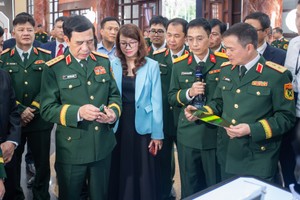
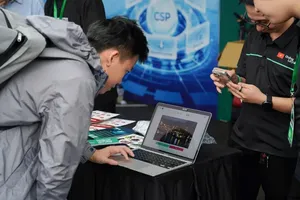
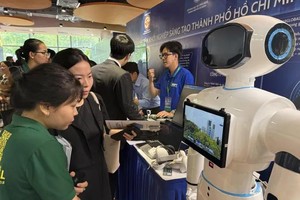
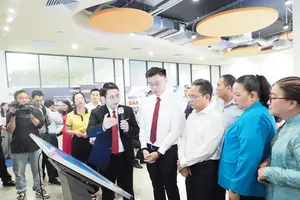
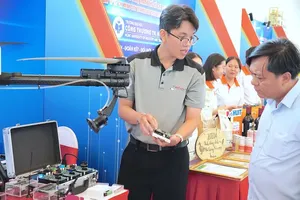
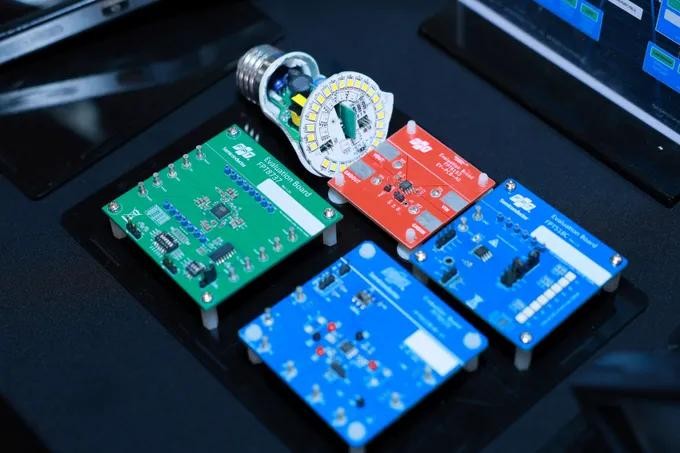
At the summit, an exhibition area showcased AI, integrated circuit design, and chip packaging and testing products and solutions from FPT, HanelPT, VSAP Lab, Dnotitia, HyperAccel, ITDA Semiconductor, KAISA, and Hanoi University of Science and Technology.