A surprise inspection at a house on 3 Thang 2 Street helped the Hoa Hung Ward police uncover nearly 1,800 e-cigarette pods containing the narcotic substance Etomidate. Subsequently, the Investigation Police Agency under the HCMC Public Security Department decided to initiate a criminal case, press charges, and temporarily detain five suspects to investigate their illicit drug trafficking activities.
Meanwhile, in Tan Son Nhat Ward, stemming from a drug-positive individual found during a routine check of a rental house on Nguyen Thai Binh Street, the ward police collaborated with the Drug-related Crime Investigation Police Division under the HCMC Public Security Department to apprehend 31 individuals tied to the trafficking and organized illegal use of narcotics.
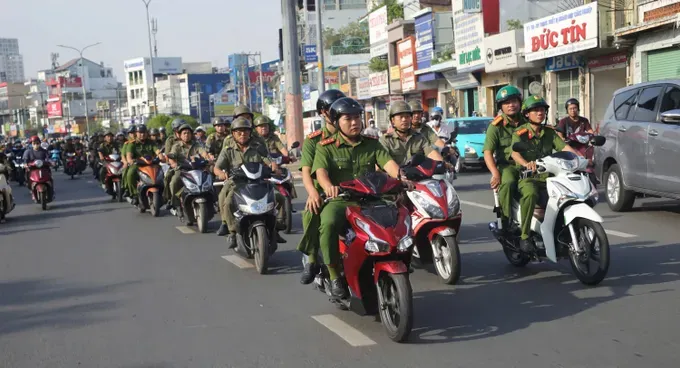
It’s clear that these are the standout achievements of the 45-day intensive neighborhood cleanup drive. Throughout its implementation, authorities discovered multiple criminal leads simply through administrative inspections, residency reviews, and local management. The police agency then expanded their investigations, effectively dismantling inter-provincial drug crime syndicates for broader crackdowns.
For example, in Khanh Hoi Ward, after identifying a subject positive for narcotics (cannabis) during an administrative check, the ward police teamed up with the Drug-related Crime Investigation Police Division to broaden the probe, dismantling a ring that cultivated, produced, and sold cannabis across HCMC, Lam Dong, Dak Lak, and Tay Ninh provinces. Functional agencies arrested 23 individuals, seizing approximately 800 fresh cannabis plants, over 146kg of dried cannabis, and various related exhibits.
According to Major Le Anh Tuan, Deputy Director of the Khanh Hoi Ward Public Security Division, during the 45-day campaign, his unit inspected 152 boarding houses and seven lodging establishments. They detected 28 cases involving 89 drug-related individuals, initiated two criminal cases, and transferred numerous cases to specialized units for further investigation.
Clearly, sticking closely to the locality, managing residency, and proactively expanding investigations have helped functional forces take down massive drug rings from minor leads found at the grassroots level.
Besides the proactive stance of the police force, mobilizing citizens to participate in detecting and providing crime information is becoming a crucial link in grassroots drug prevention and control. To widen the channel for receiving reports from the community, many localities are stepping up propaganda efforts, instructing residents on how to use the “HCMC Security and Order SOS” application.
On July 25, along Street No.6 in Linh Xuan Ward, local police officers and grassroots security forces went door-to-door to guide residents in installing the “HCMC Security and Order SOS” app, while encouraging them to proactively report any suspicious signs.
For Mr. Hoang Anh Vu, a resident of Street No.6 in Linh Xuan Ward, the new technology has created a sense of reassurance. “With the ‘HCMC Security and Order SOS’ app, we feel more secure because there’s an additional channel to report unusual signs in the neighborhood,” he explained, standing outside his home.
Over in Tan Son Nhat Ward, during the peak period, the regional police force guided nearly 600 citizens on installing the “HCMC Security and Order SOS” application. Alongside this, digital platforms like the VNeID national population database and security camera networks continue to be leveraged for local management purposes.
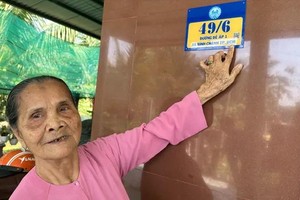
Meanwhile, Binh Chanh Commune continues to maintain residency checks, managing tenants and business establishments with conditional security and order requirements, which is a useful practice for long-term safety.
Linh Xuan Ward Party Secretary Nguyen Thi Be Hai stated that the locality considers maintaining the post-campaign results a regular task, aiming to build a drug-free ward by 2028. Moving forward, the locality will continue to strictly manage addicts, intensify inspections of boarding houses and lodging establishments, while promoting the public’s role in drug prevention and control.