Many provinces and cities nationwide are reporting a resurgence of meningococcal meningitis, with numerous cases progressing to severe complications. Health experts have raised concerns about the potential for a broader outbreak if the situation is not effectively contained.
On March 19, the Pasteur Institute of Ho Chi Minh City confirmed that an 11-year-old child from Phu Quoc Special Zone, An Giang Province, who passed away on March 16, had died from group B meningococcal meningitis.
The child initially presented with fever, fatigue, and headache. When a widespread rash developed, accompanied by cyanosis and difficulty breathing, the family rushed the child to the hospital. Despite intensive treatment, the child did not survive.
Previously, on March 12, the Lam Dong Provincial Center for Disease Control confirmed a case of meningococcal meningitis in a 14-year-old student; worse, 69 individuals, including healthcare workers, were identified as close contacts.
On March 6, Can Tho City General Hospital also admitted a 47 year old patient from Vinh Long who was critically ill and diagnosed with sepsis caused by group B meningococcal meningitis.
According to Dr. Nguyen An Nghia, Deputy Head of the Infectious Diseases and Neurology Department, Children's Hospital 1 in Ho Chi Minh City, meningococcal meningitis is one of the top 10 infectious diseases with a high mortality rate in Vietnam.
The disease progresses very rapidly and is difficult to recognize in the early stages. In the first 4 to 12 hours, patients experience symptoms similar to a common cold, such as fever, discomfort, and sore throat. From 12 to 15 hours, suggestive signs appear, such as petechiae, neck pain, headache, stiff neck, nausea, and photophobia. From 15 to 24 hours, patients may become confused, delirious, have seizures, fall into a coma, and die. Meningococcal bacteria are mainly transmitted through the respiratory tract.
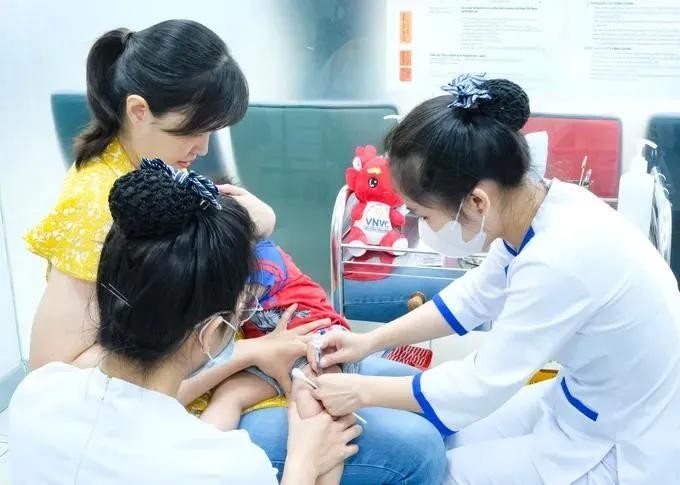
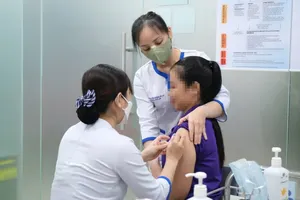
To effectively prevent the disease, health experts recommend that people practice good personal hygiene, frequently wash their hands with soap, cover their mouths when coughing or sneezing, and maintain cleanliness in their homes and workplaces. A balanced diet and adequate rest will help the body fight off disease-causing agents. The most proactive and effective preventive measure currently available is vaccination against meningococcal meningitis.









)