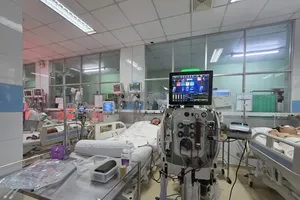
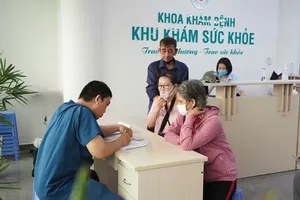
Many hospitals across Ho Chi Minh City are expanding by utilizing surplus public facilities following administrative restructuring. The move is expected to ease overcrowding while driving the development of high-quality, modern and sustainable healthcare services.
For years, major general and specialized hospitals in Ho Chi Minh City, such as 115 People’s Hospital, Gia Dinh People’s Hospital, Eye Hospital, ENT (Ear, Nose and Throat) Hospital, Oncology Hospital and Children’s Hospitals, have operated beyond capacity.
At the City Eye Hospital alone, daily patient visits average around 5,000 and can reach up to 6,000, alongside hundreds of surgeries. Limited space in the urban core has not only affected service quality but also placed heavy pressure on medical staff.
To address this, city authorities have reassigned surplus facilities following organizational restructuring to hospitals in need of expansion. Notably, the former Health Care Unit for Officials at 56 Ba Huyen Thanh Quan Street, Xuan Hoa Ward and the previous headquarters of District 3 Labor Federation at 299 Dien Bien Phu Street have been allocated to the City Eye Hospital.
According to Specialist Level II Doctor Le Anh Tuan, Director of the Ho Chi Minh City Eye Hospital, the hospital has received two facilities that will help ease immediate pressure while creating room for long-term development.
The site at 56 Ba Huyen Thanh Quan Street is expected to operate as a day-care diagnosis and treatment center with a capacity of 800–1,000 patients per day, focusing on outpatient services, screenings, and same-day surgeries. Meanwhile, the 299 Dien Bien Phu location will initially serve administrative and training purposes before being developed into a high-quality ophthalmology center capable of delivering advanced, regionally competitive techniques and supporting medical tourism.
This model is being replicated across multiple healthcare institutions, creating a coordinated transformation throughout the city’s healthcare system.
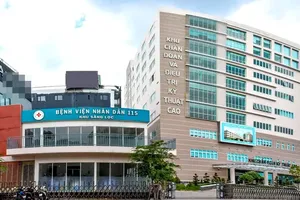
115 People’s Hospital has been assigned to manage the Hoa Hung Regional Medical Center at 571 Su Van Hanh Street to expand specialized services, reorganize treatment areas, and implement continuous stroke care from emergency response to rehabilitation. The facility is currently under renovation and is expected to become operational by National Day (September 2).
Earlier, on April 28, the City ENT Hospital took over the Nhieu Loc Regional Medical Center at 114–118 Tran Quoc Thao Street and has already begun serving patients. Within just two days of operation, the new facility handled around 200 patients daily, helping to reduce pressure on the main hospital.
According to the city’s Department of Health, prioritizing the reuse of surplus infrastructure is a strategic step. Operating multiple facilities in parallel helps reduce waiting times, streamline procedures, and improve patient experience, especially for specialized services. Beyond addressing immediate overcrowding, it lays a critical foundation for long-term healthcare development amid rising demand.
The ENT Hospital plans to fully utilize its new facility before September 2, developing it into a hub for advanced specialties such as cochlear implants, neuro-otology, day treatment, diagnostic imaging, pediatrics, cosmetic surgery, and oncology. Meanwhile, 115 People’s Hospital will develop its Hoa Hung facility in two phases. From 2026 to 2030, it will provide inpatient care for around 200 patients per day across specialties such as neurology, endocrinology, and musculoskeletal medicine; from 2031 onward, it aims to become a comprehensive stroke treatment and rehabilitation center, handling 400–500 outpatient visits daily.
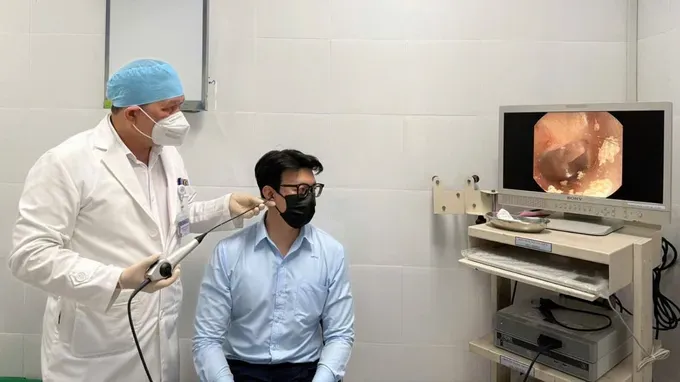
The reuse of surplus healthcare facilities is helping reshape Ho Chi Minh City’s hospital system toward a modern, multi-center, and specialized model, an essential step in positioning the city as a regional healthcare hub. With strong expertise, experienced medical teams, and growing demand, these expanded hospitals are expected to make significant breakthroughs and emerge as leading centers of advanced medical care in Vietnam and beyond.
Assoc. Prof. Dr. Le Tran Quang Minh, Director of Ho Chi Minh City ENT Hospital: “Advancing specialized healthcare modernization.”
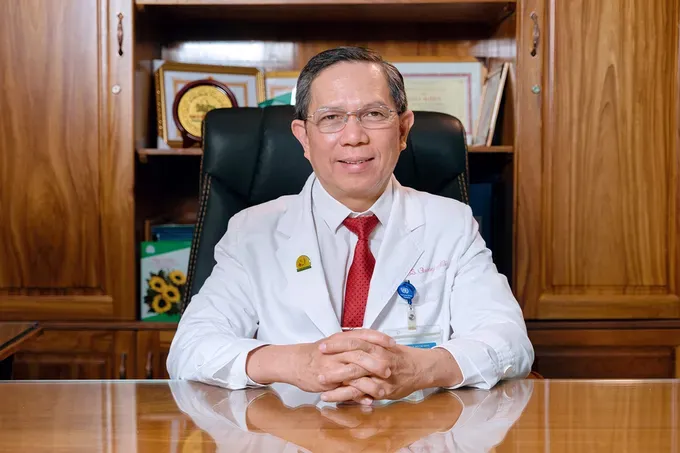
The commissioning of the new facility not only helps ease overcrowding at the largest tertiary ENT hospital in southern Vietnam but also marks a significant step in Ho Chi Minh City’s strategy to modernize specialized healthcare.
Amid rapid population growth and rising demand for healthcare services, expanding specialized hospitals is seen as a necessary direction to improve treatment quality and ensure people have better access to modern, convenient, and efficient medical services.
Specialist II Doctor Le Anh Tuan, Director of Ho Chi Minh City Eye Hospital: “Developing a multi-hub model.”

In addition to taking over two facilities in Xuan Hoa Ward, the hospital will launch a second campus in the former Binh Duong area. This facility will serve as a high-quality day-care diagnosis and treatment center, focusing on screening, early detection, and treatment of eye diseases that risk causing blindness, particularly among the elderly and children.
The hospital also plans to build a fully developed Eye Hospital with a capacity of 300 beds at 621 Pham Viet Chanh Street in Binh Tien Ward, covering approximately 25,000 square meters. It will house specialized centers such as Pediatric Ophthalmology, Ocular Oncology, Corneal Transplantation, Ocular Trauma, Glaucoma, Vitreoretinal, Neuro-ophthalmology, Refraction and Functional Diagnostics.
At the same time, a high-quality ophthalmology day-care center will be developed at the G2 land plot in Residential Area No.1, Cat Lai Ward, spanning 8,300 square meters with a capacity of 100 beds, featuring comprehensive specialties and advanced refractive treatment services.
Specialist II Doctor Tran Van Song, Director of 115 People’s Hospital: “ensuring continuous medical services.”
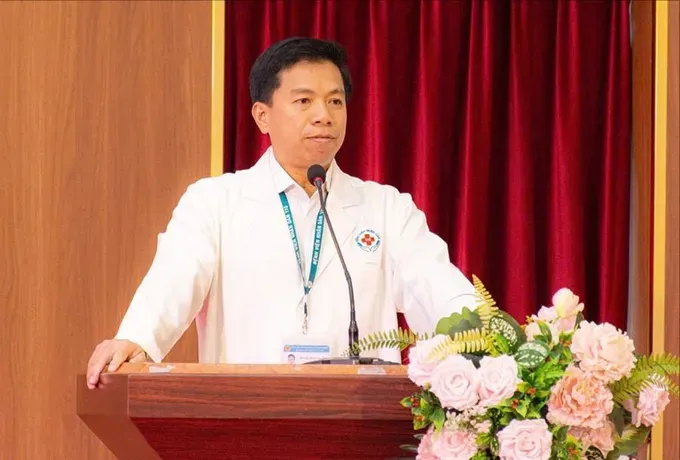
115 People’s Hospital is currently one of the largest stroke centers in Vietnam, treating nearly 18,000 stroke cases annually, including an average of 50 acute cases per day. As a result, demand for post-discharge rehabilitation is extremely high.
In recent years, the hospital has proactively expanded on-site rehabilitation services and collaborated with institutions such as the Rehabilitation and Occupational Diseases Hospital and Hospital 1A. However, these efforts have only partially met actual demand.
The acquisition of the Hoa Hung facility is therefore highly meaningful. It not only provides additional treatment space but also helps reduce the cost of temporary infrastructure while ensuring uninterrupted healthcare services for patients. Notably, the Hoa Hung facility is located just about 180 meters from 115 People’s Hospital, offering strong advantages in workforce coordination, patient transfer, shared diagnostic services, and integrated professional management between the two sites.