In mid-April, large numbers of residents across wards and communes in Ho Chi Minh City visited local health stations for free medical check-ups and screenings. With quality healthcare services brought closer to communities, the city is pioneering a new, more accessible approach to public health.
Comprehensive healthcare for all residents
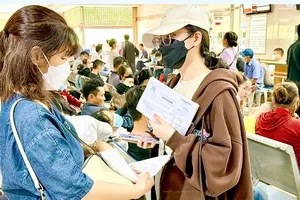
On a weekend morning, a small alley on Nguyen Thien Thuat Street in Ban Co Ward buzzed with unusual liveliness. Following a free health check-up campaign on April 17, neighborhood conversations shifted beyond daily expenses to discussions about blood pressure, blood sugar, diet, and exercise routines.
Ms. Tran Thi Sanh, 65, shared that she only discovered her high blood pressure through the free screening. The doctor advised her to reduce salt intake and exercise regularly, she said. Meanwhile, Mr. Nguyen Trong Phu, 38, noted that his busy work schedule had previously kept him from seeking medical care. Following a recent screening and consultation at the ward, he said that he now understands the need to pay closer attention to his health.
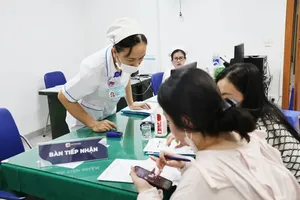
These early changes underscore the impact of Ho Chi Minh City’s universal health screening program. According to Associate Professor Dr. Tang Chi Thuong, Director of the municipal Department of Health, the campaign launched in mid-April 2026 reached all 168 wards and communes, with participation from more than 100 hospitals and thousands of healthcare professionals. It aims to provide every resident with at least one annual check-up, shifting the focus from treatment to prevention.
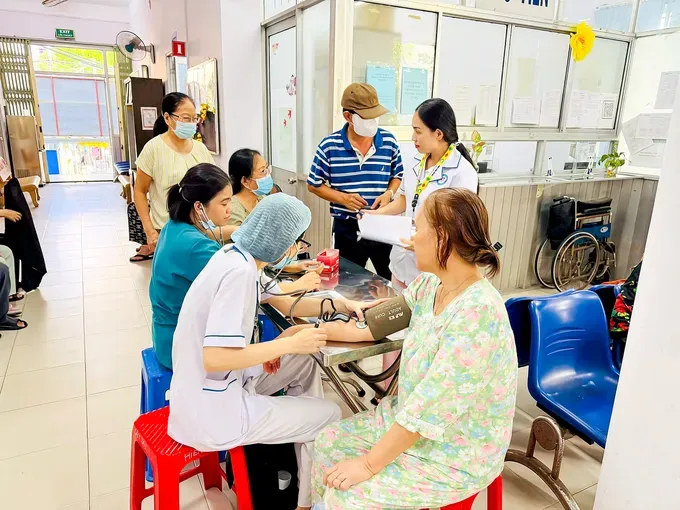
Initial results show that 25 percent to 30 percent of those screened were found to have early-stage non-communicable diseases, many of whom had never previously undergone medical examinations. This provides a critical foundation for early intervention, reducing complications and treatment costs.
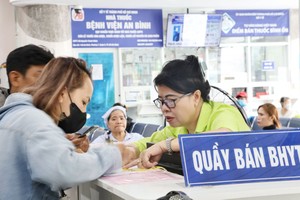
To ensure long-term, continuous care, the city’s health sector is transforming the role of local health stations into “community-based continuous care teams. Under this model, ward and commune health stations are no longer passive treatment sites but proactive coordinators of primary healthcare for residents in their areas.
Toward a high-quality healthcare hub
Associate Professor Dr. Tang Chi Thuong, Director of the Department of Health, said that Ho Chi Minh City’s health sector is developing under a multi-polar, multi-centered model to better meet residents’ healthcare needs. Each area is being oriented to form a capable medical hub, closely interconnected within the overall system. In recent years, a range of coordinated measures has been implemented, including developing second campuses of central hospitals in outlying areas, rotating doctors, expanding satellite emergency stations, and accelerating technology transfer. These efforts have helped shorten access time to services, reduce pressure on major hospitals, and improve the efficiency and sustainability of the entire system.
Beyond expanding the network, top-tier hospitals across the city have continuously advanced specialized and high-tech treatments. Many procedures that once required patients to seek treatment abroad are now successfully performed in Ho Chi Minh City at reasonable costs, with steadily improving quality.
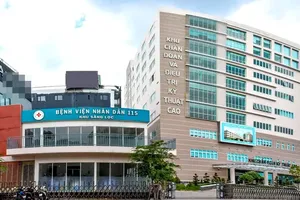
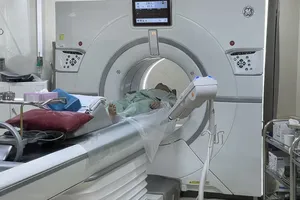
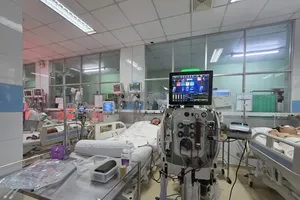
At the same time, several major medical institutions have been newly built or significantly upgraded, including Children’s Hospital 1, Children’s Hospital 2, People’s Hospital 115, Gia Dinh People’s Hospital, Blood Transfusion and Hematology Hospital and Pham Ngoc Thach University of Medicine. These facilities not only expand bed capacity but are also equipped with modern medical technologies to meet the growing demand for high-quality healthcare.
Key healthcare projects clearly demonstrate the city’s strong commitment to investing in the protection and improvement of public health. Dr. Tang Chi Thuong said that they reflect a consistent strategy toward building a modern, sustainable healthcare system capable of serving a population of more than 14 million, while gradually realizing the goal of becoming a high-quality healthcare hub in the ASEAN region.