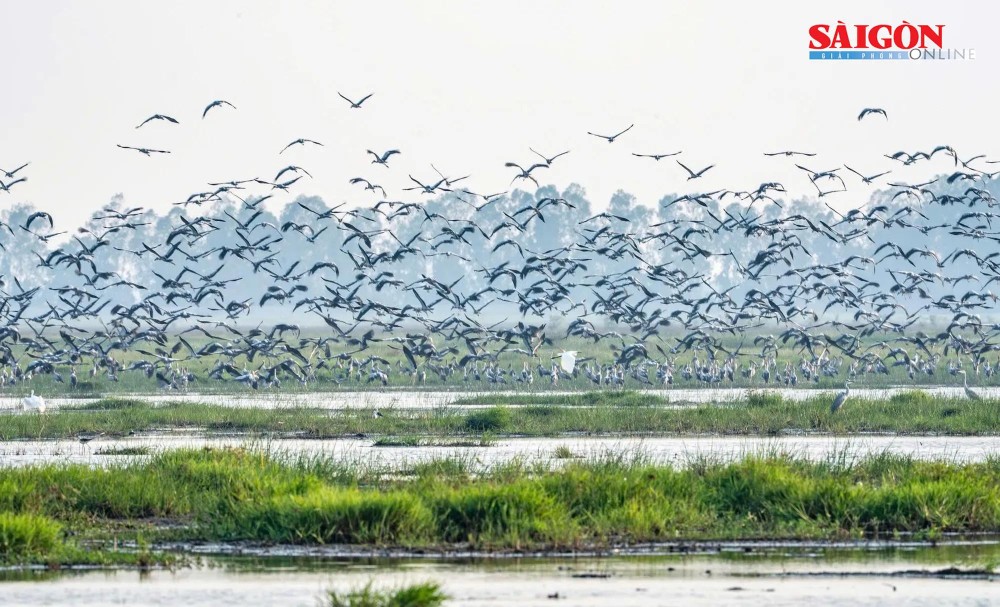
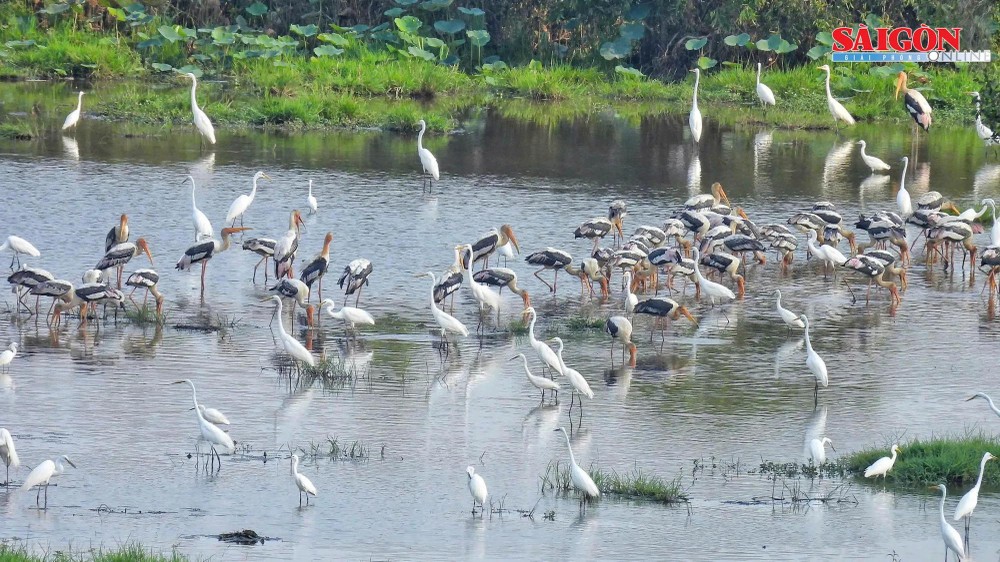
The return of many rare bird species to Tram Chim National Park has created a vibrant ecological landscape, attracting growing numbers of visitors.
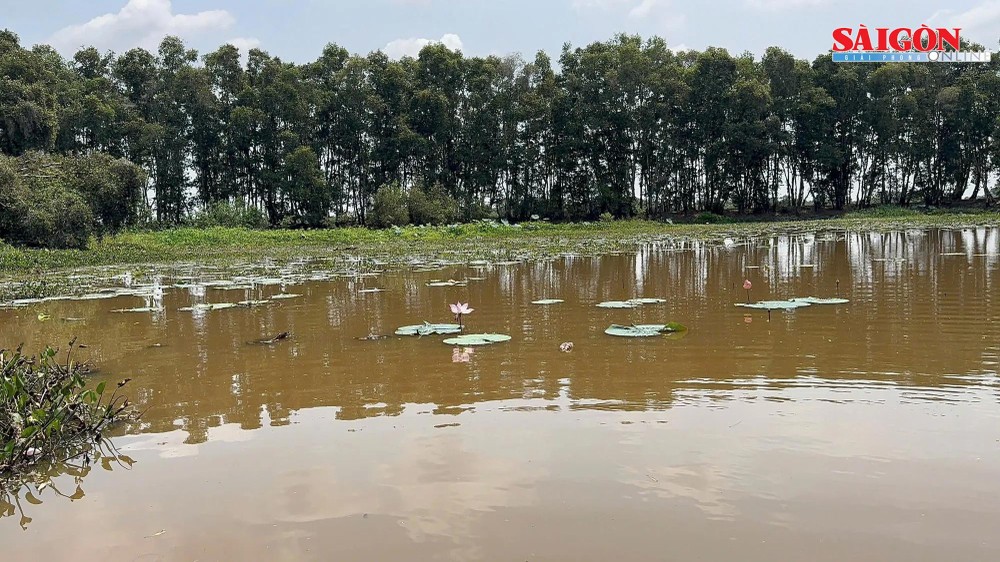
The wetland ecosystem in Tram Chim National Park has shown signs of recovery in recent months, with native aquatic species once typical of the Dong Thap Muoi region reappearing in greater numbers. These include purple and yellow bladderwort, as well as white and purple water lilies.
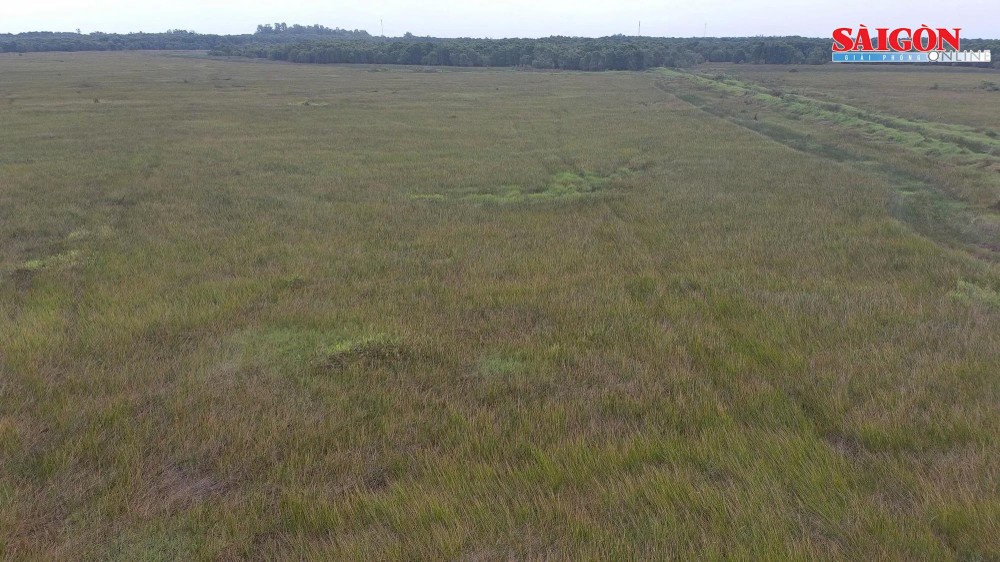
Notably, Tram Chim National Park has restored nearly 100 hectares of needle spike sedge habitat within the core foraging grounds of red-headed cranes. This effort, alongside the vigorous regeneration of young melaleuca trees, provides a critical foundation for ensuring a stable and preferred natural food source for the species.
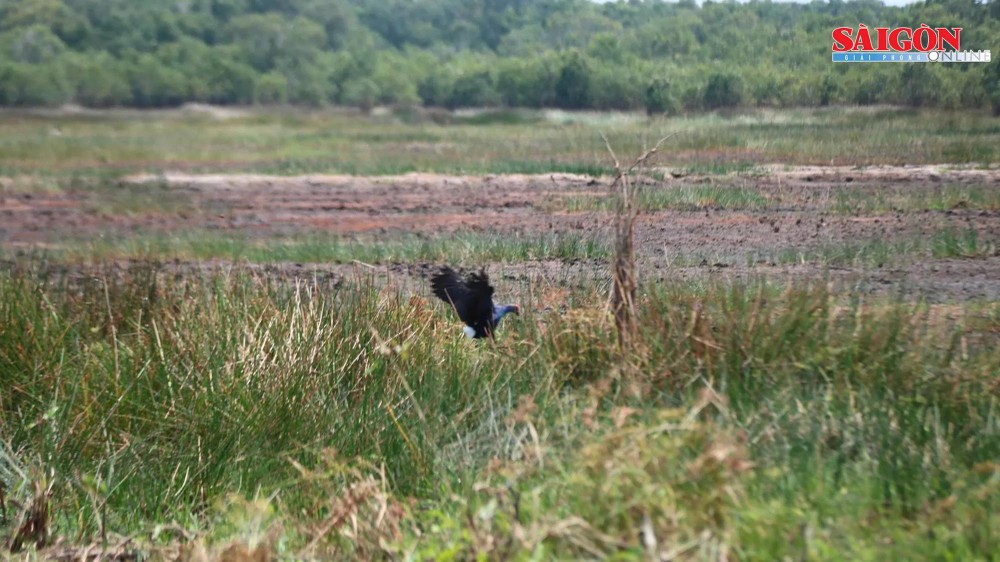
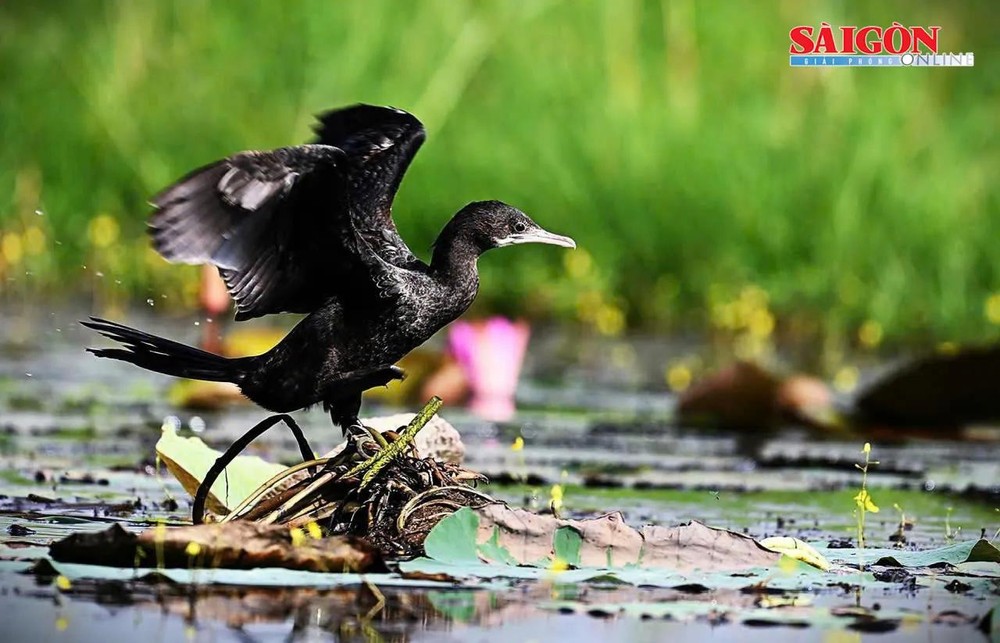
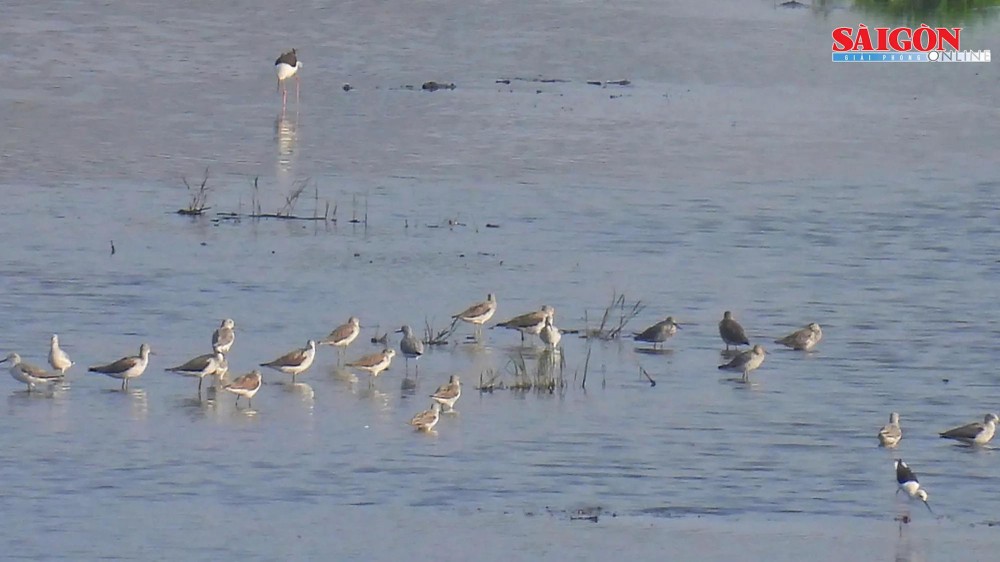
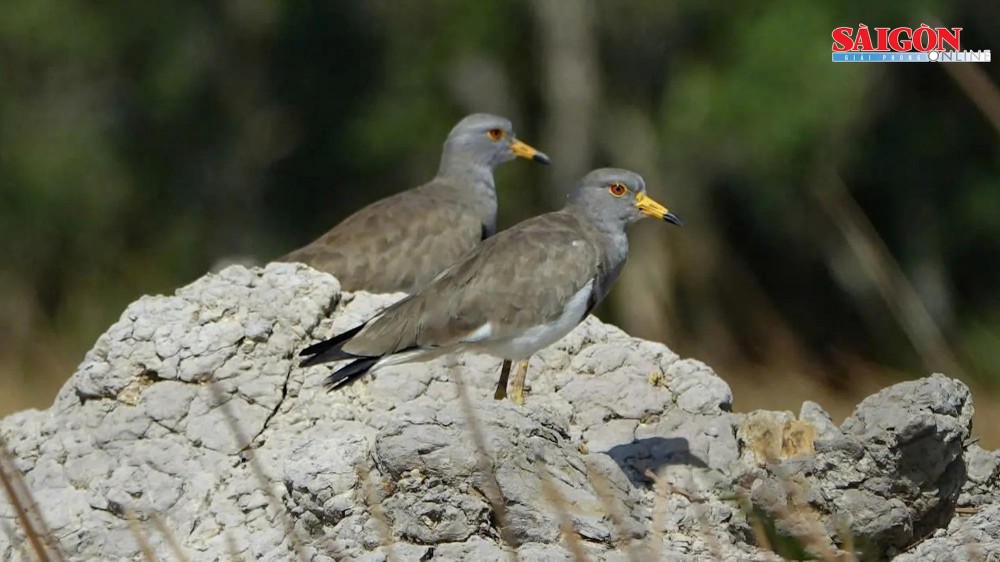
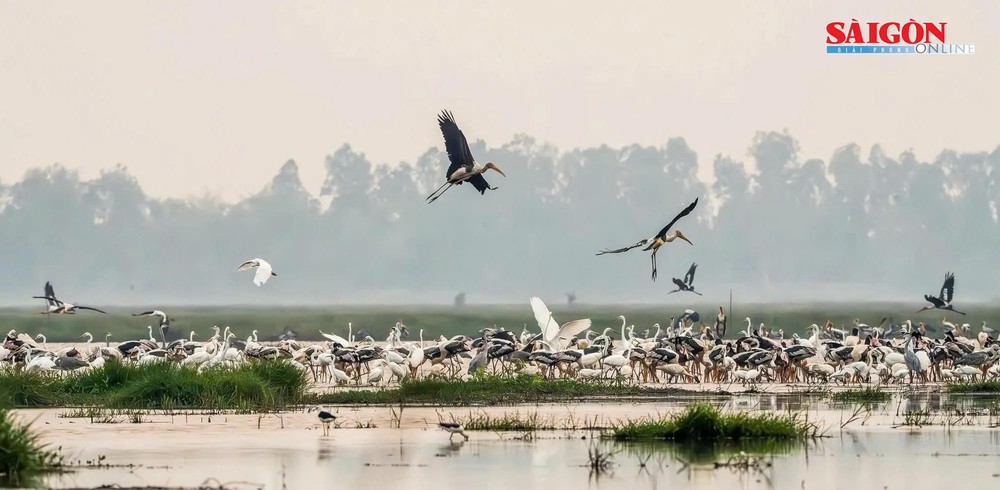
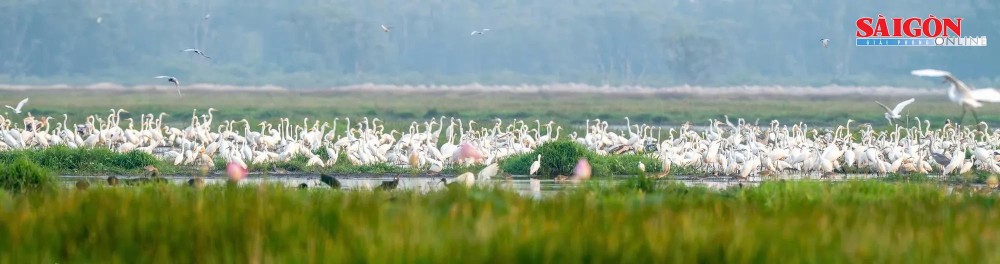
Among the birds that come to live and feed here, there are many rare species such as the stilt bird, painted stork, spot-billed pelican, and many other migratory birds. Across grasslands, swamps, and lotus ponds, birdlife is thriving, with high concentrations of species such as egrets, herons, and lesser whistling ducks. Notably, large flocks of egrets move in coordinated groups, descending to feed and creating a vivid natural spectacle.
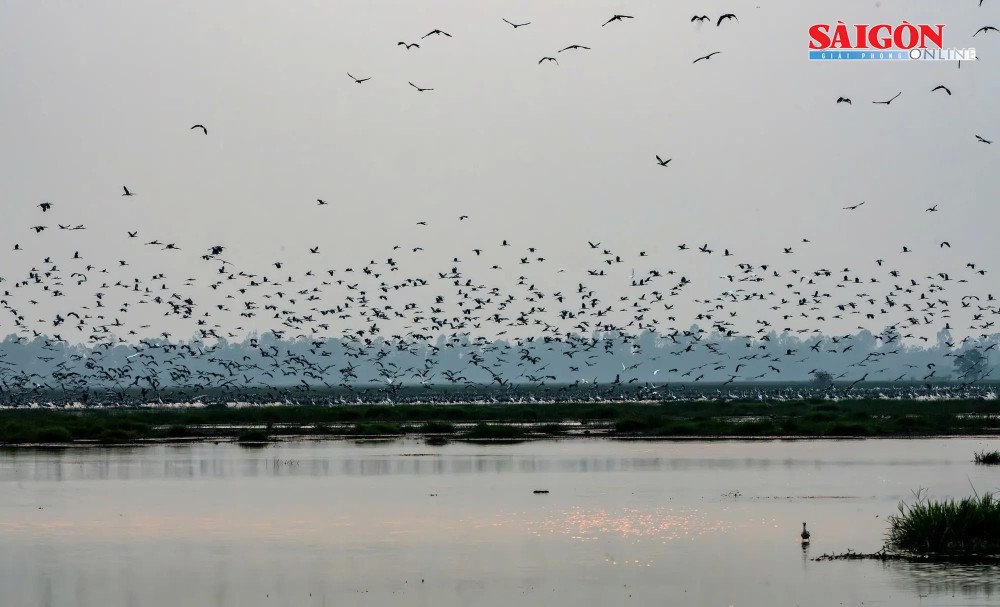
According to the park’s management board, these gains stem from proactive water management, vegetation restoration, and strengthened habitat protection. As a result, bird numbers have risen steadily, at times reaching into the thousands.
Beyond supporting biodiversity conservation, the return of these bird species is also delivering economic benefits to local communities. Le Van Hung, a resident living near the area, said bird numbers have increased significantly, and with more tourists visiting, business conditions have improved.
Nguyen Thi Mai, a tourist from Ho Chi Minh City, said that the space here is very airy and fresh. Especially impressive is the sight of flocks of birds filling the sky, making it suitable for sightseeing and relaxation.
Doan Van Nhanh, Deputy Director of the Center for Conservation and International Cooperation, Tram Chim National Park, said that the birds are gradually reappearing and in increasing numbers. This is evidence of the initial effectiveness of efforts to restore habitats and conserve the ecosystem at Tram Chim National Park. The coordination between management agencies, international organizations, and the local community has had a positive impact on the conservation and restoration of the ecosystem in the national park.
According to the Deputy Director, six spot-billed pelicans have been recently spotted in the swampy area of Zone A1, a strictly protected area of Tram Chim National Park, after a six-year absence.
Spot-billed pelicans are a rare and endangered bird species, listed in the Vietnamese Red Book and the World Red Book due to a severe decline in numbers. This species is identifiable by its gray legs, body length of 1.2 to 1.4 meters, webbed feet, a long beak with a large, expandable skin pouch underneath to hold fish, and its habit of living and foraging in flocks.
According to the World Wide Fund for Nature (WWF) in Vietnam, the return of the spot-billed pelican flock indicates that ecological conditions in Tram Chim National Park are gradually improving.
Tram Chim National Park borders four communes namely Tram Chim, Phu Tho, Tam Nong, and An Hoa, covering a total area of over 7,300 hectares. It is one of the remaining wetlands that exemplifies the typical ecosystem of the ancient Dong Thap Muoi region; it is also a conservation area for hundreds of rare plants, water birds, and aquatic species. In 2012, Tram Chim was internationally recognized as Vietnam's 4th Ramsar site and the world's 2,000th.