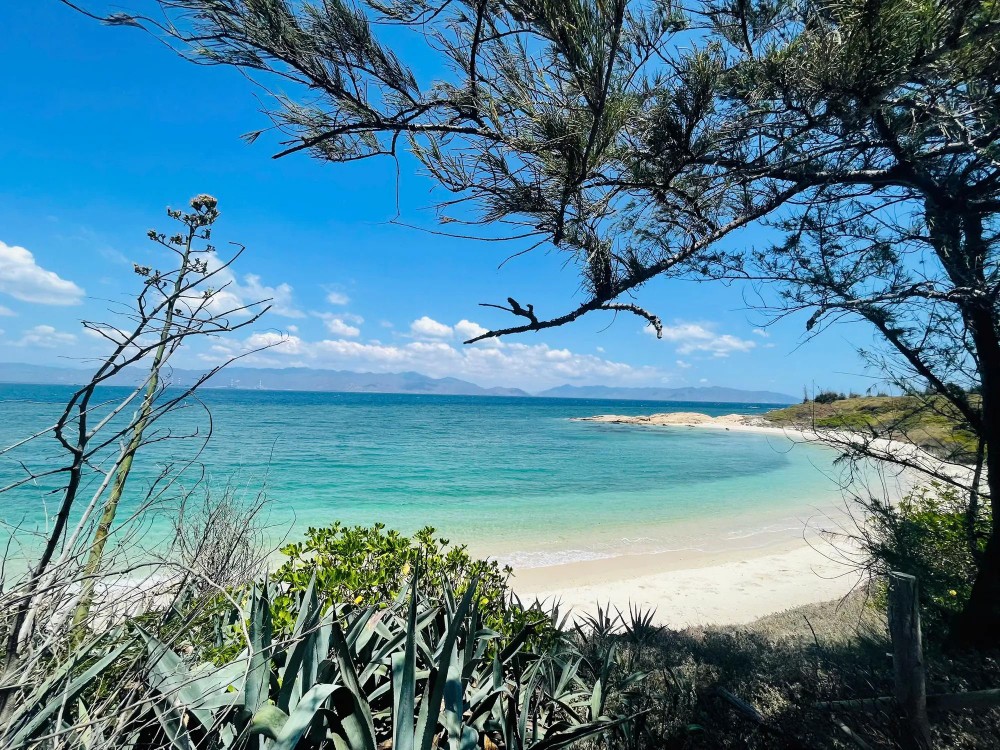
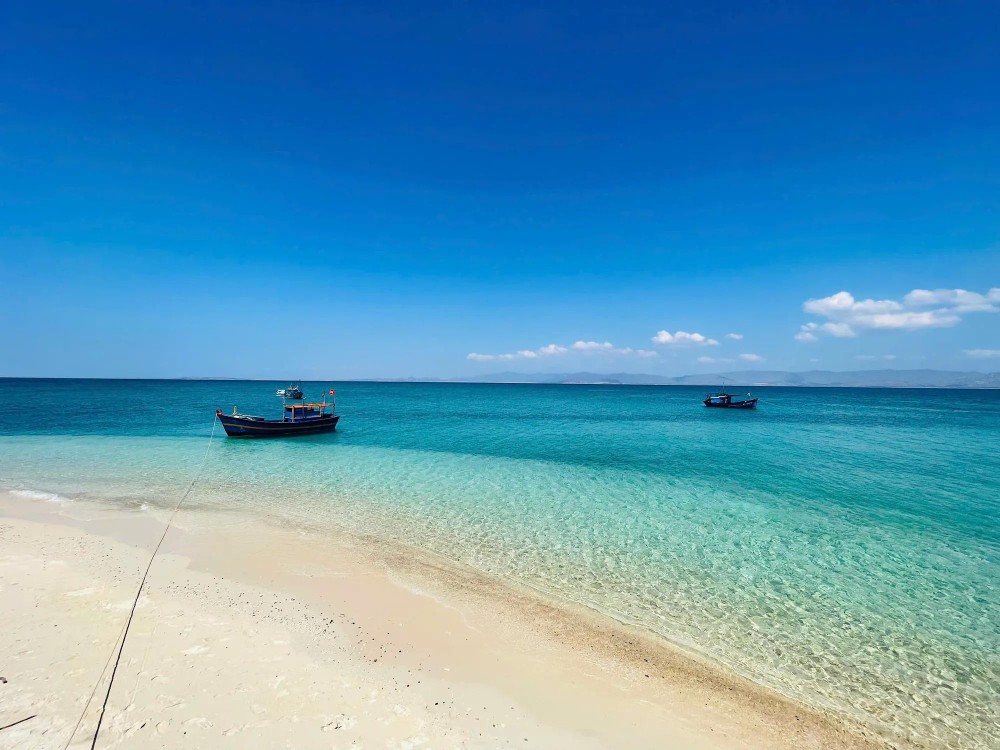
Just about 30 minutes by boat from the mainland, Hon Cau Island (also known as Cu Lao Cau) in Tuy Phong Commune, Lam Dong Province, appears like a “green gem” in the middle of the sea, with crystal-clear waters, striking rocky formations, and a rare sense of pristine beauty.
Quiet and still largely untouched by mass tourism, Hon Cau Island—a small island off the coast of Tuy Phong in Lam Dong Province—is becoming an increasingly captivating destination for visitors. Its emerald waters, fascinating rock formations, and tranquil atmosphere offer a sense of peace that is hard to find amid the pace of modern life.
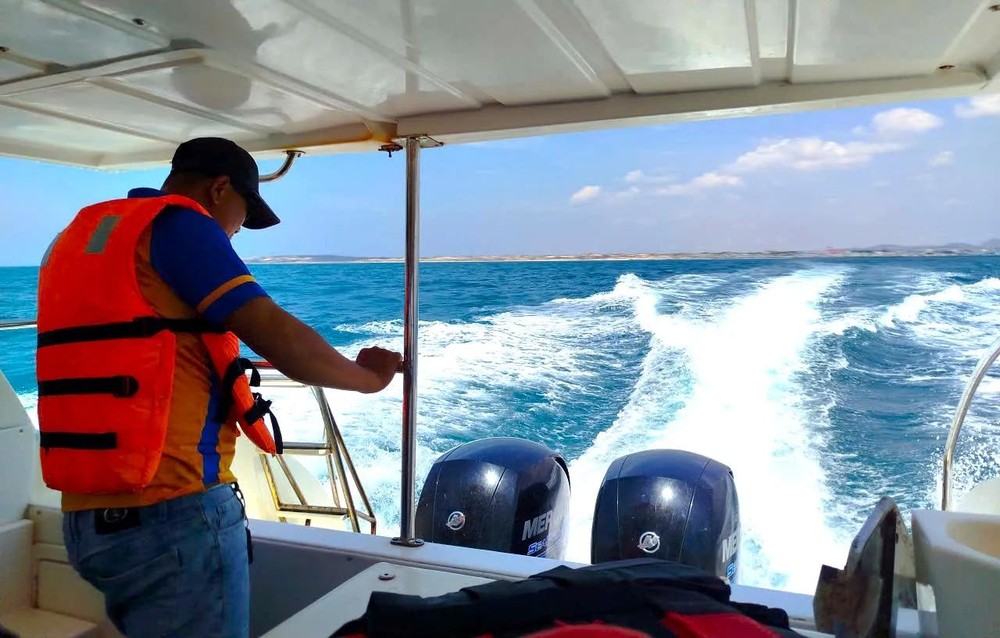
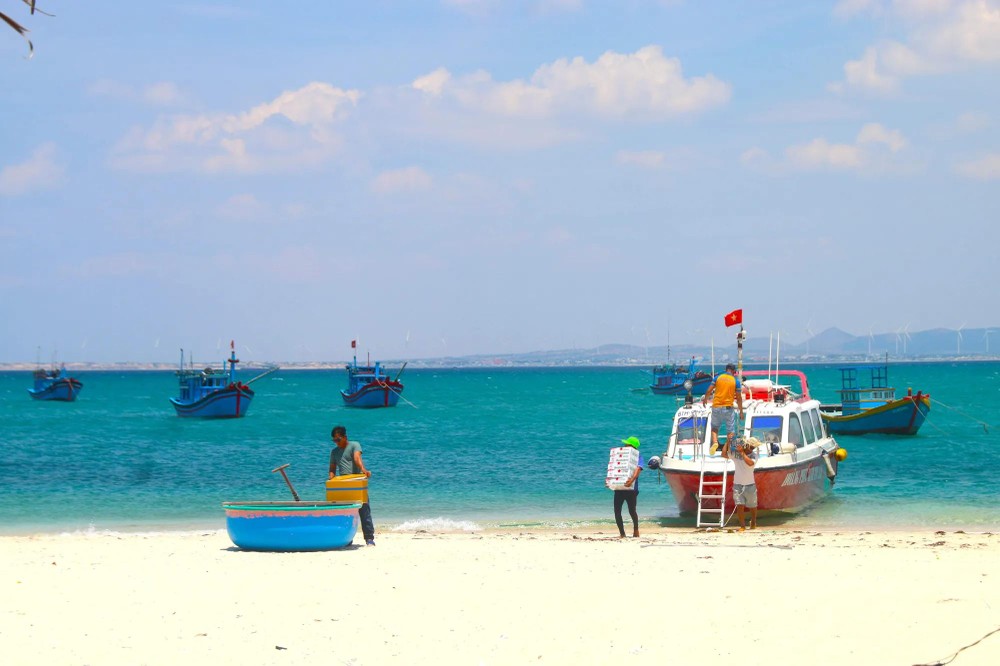
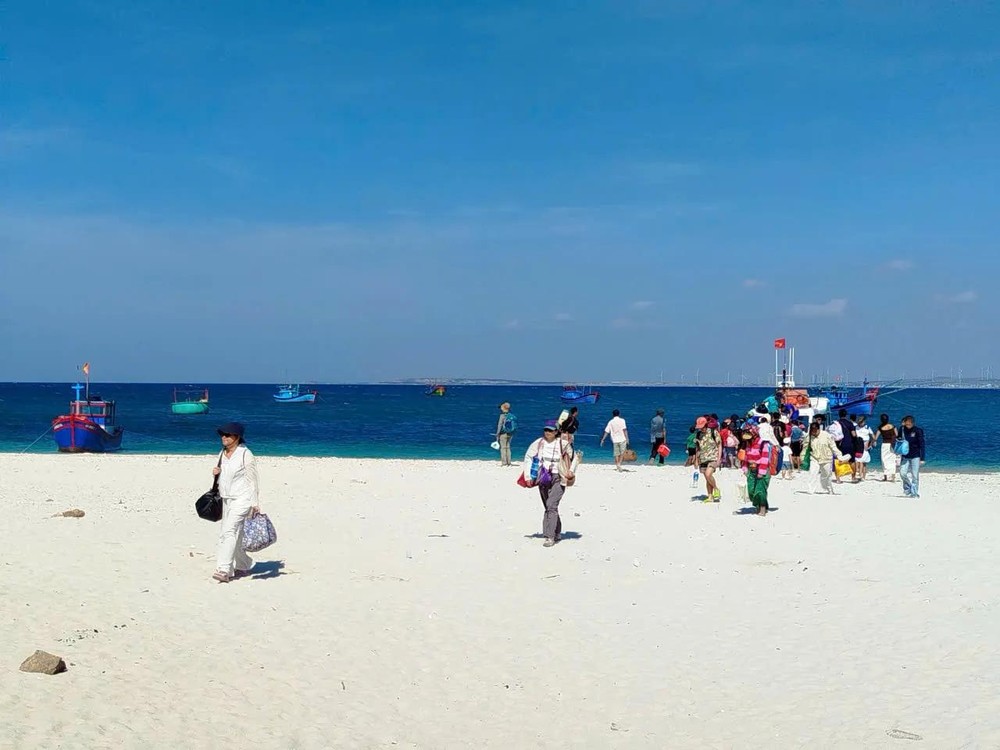
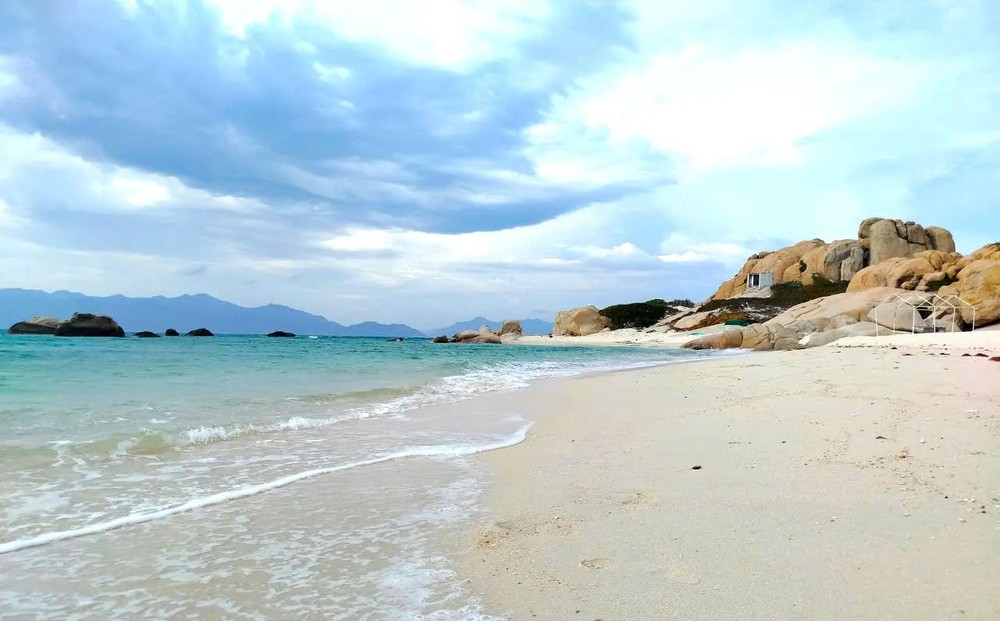
From Lien Huong Port, it takes only about 30 minutes by a tourist service boat for visitors to set foot on the island. As the boat approaches Hon Cau Island, the seawater gradually shifts into a jade-green hue, so clear that coral rocks and seaweed beneath the surface can be seen.
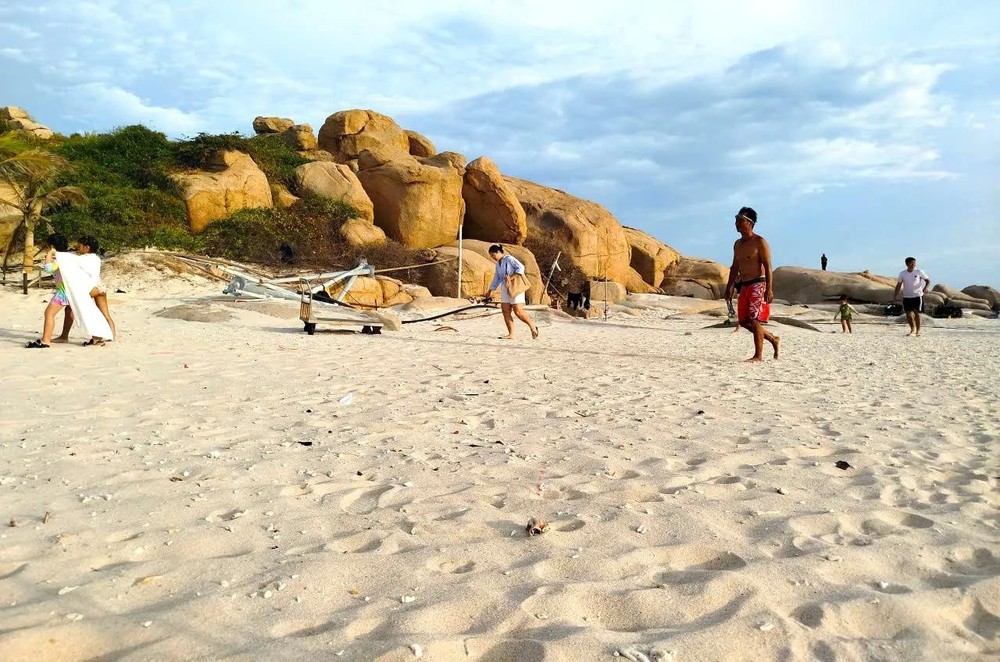
The first impression for many visitors upon arrival is a landscape of pristine rock formations in a wide variety of shapes and sizes, densely clustered around the island. Some rocks rise vertically like sheer cliffs, while others are stacked in layers resembling the giant hand of nature itself. Interspersed among these rocky areas are small stretches of fine white sand and calm, ripple-free waters.
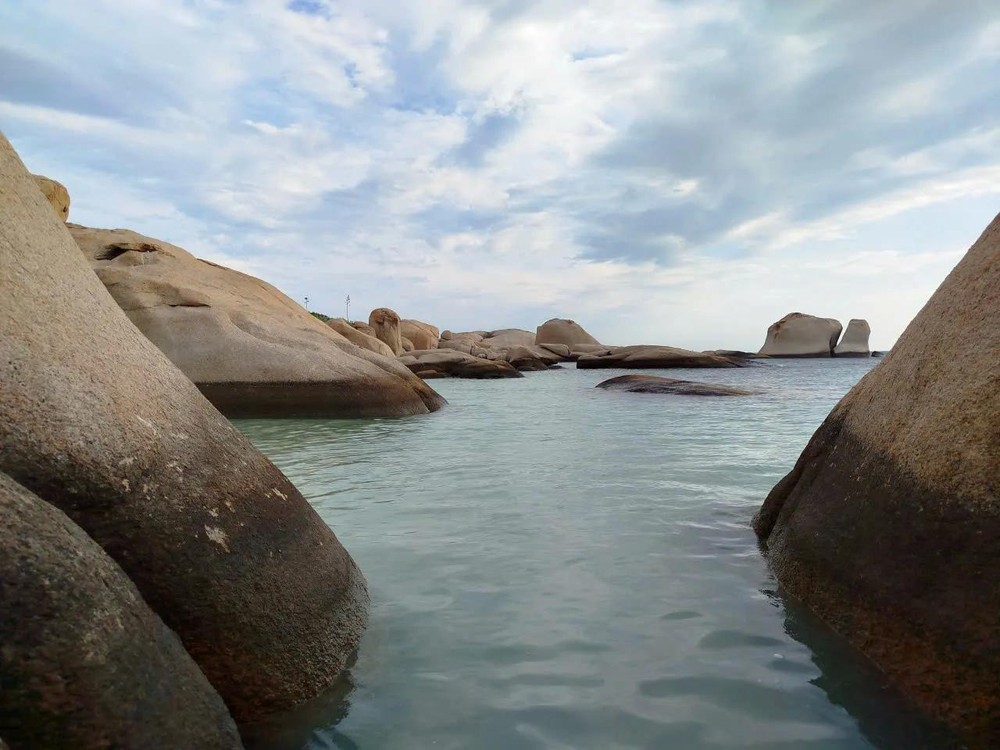
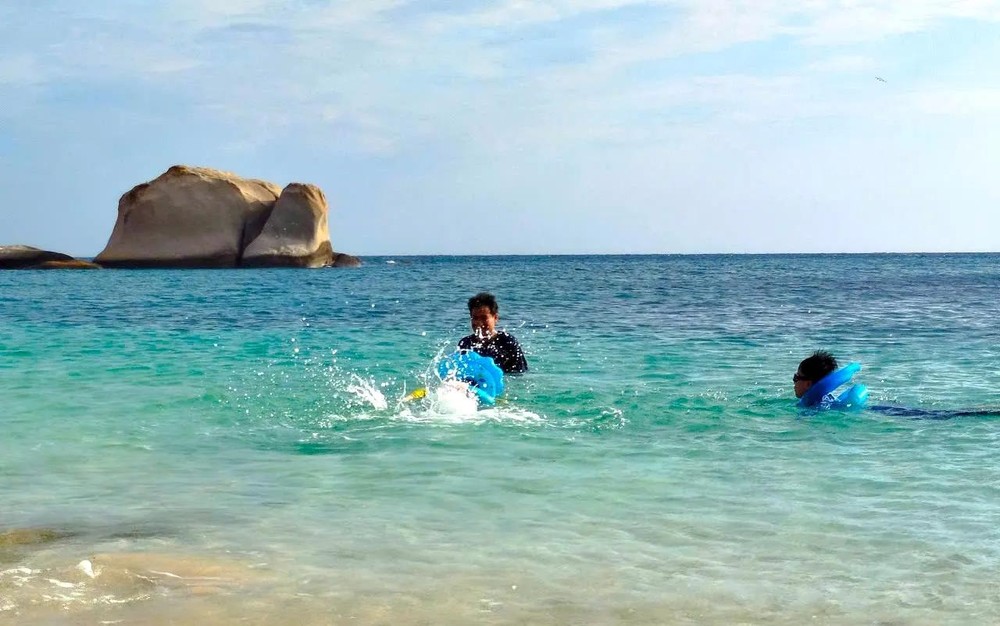
One of the island’s most renowned attractions is Bai Tien, a site many visitors liken to a “natural swimming pool” in the middle of the sea. The area features turquoise waters, gentle waves, and massive surrounding rock formations that create a landscape both majestic and poetic. It is also a favorite spot for swimming, snorkeling to explore coral reefs, and taking photographs.
Not far from Bai Tien lies Hang Yen (Yen cave), known for its towering cliffs where swiftlets once nested in large numbers. Surrounding the island are numerous pristine rock formations with unusual shapes, sculpted by wind and waves over thousands of years. Some rocks resemble boats stretching toward the open sea, while others appear like layered natural sculptures carved by nature itself.
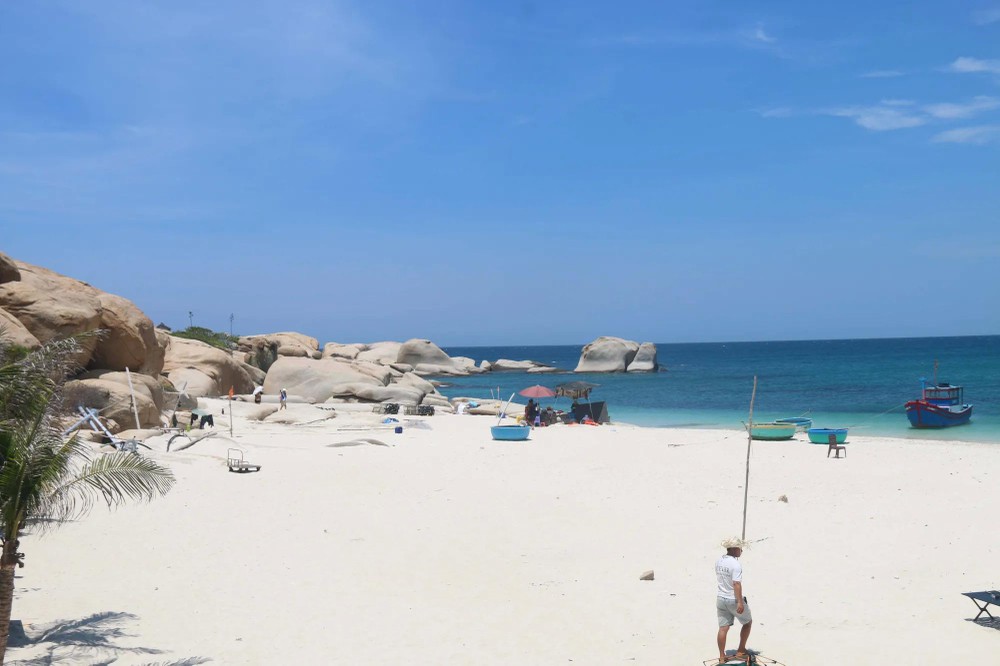
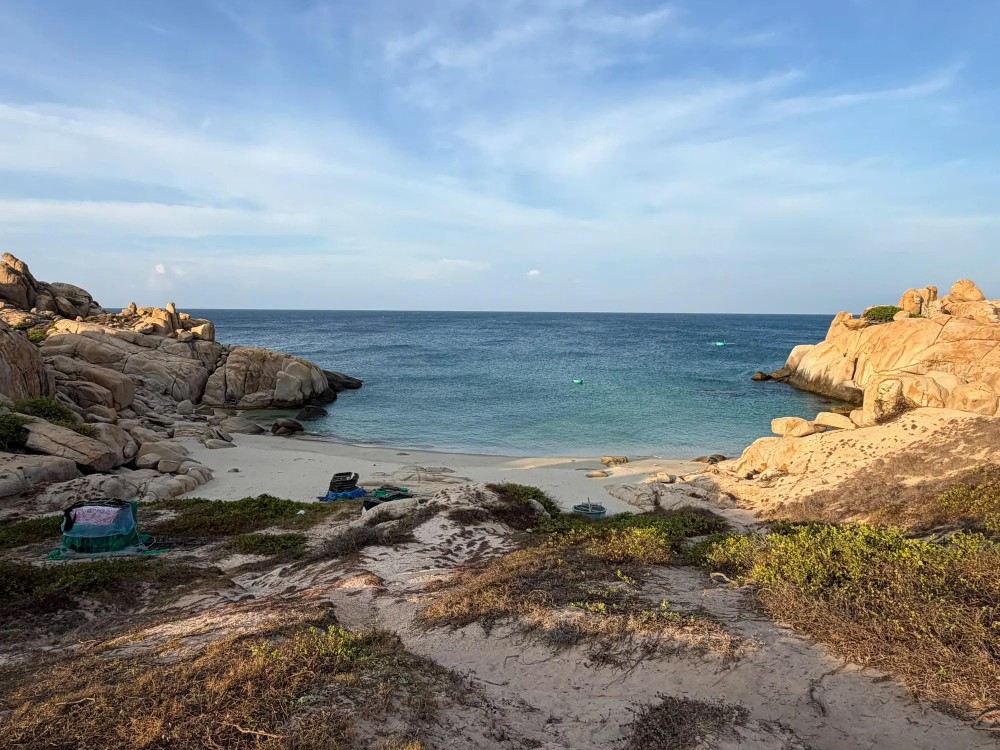
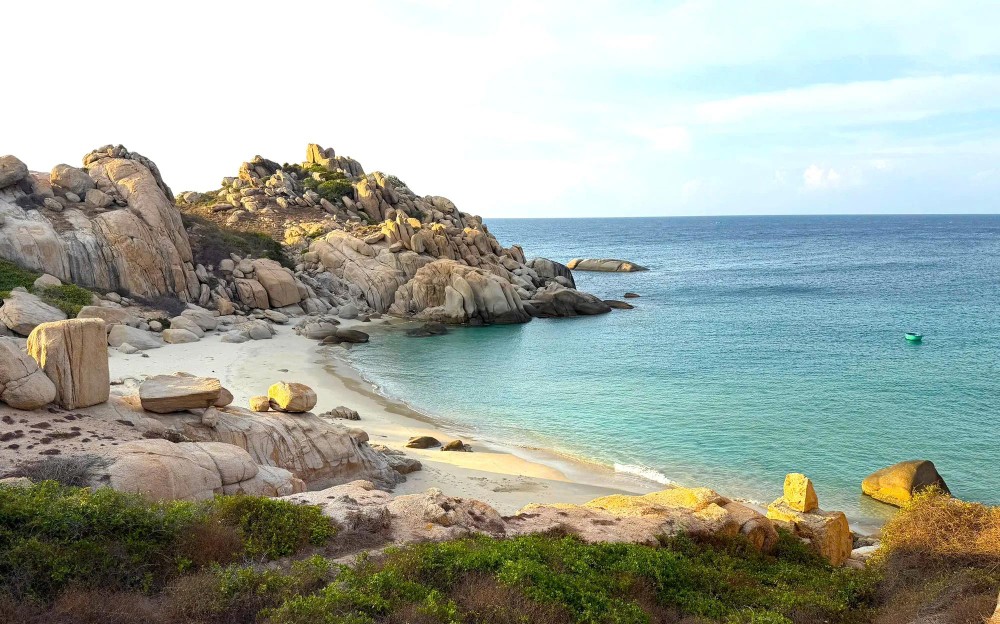
A day exploring Hon Cau Island often begins early in the morning. Once the boat reaches the island, visitors can follow narrow trails to admire panoramic views of the sea and sky, check in at uniquely shaped rock formations, or simply sit beneath the shade of velvetleaf soldierbush while listening to the gentle sound of waves.
By midday, many visitors choose to swim or snorkel among the shallow waters surrounding the island. The seawater here is remarkably clean and crystal clear. With just a pair of diving goggles, visitors can easily spot small coral clusters and schools of fish swimming close by.
Ms. Le Thi Xuan Mai, a visitor from Tay Ninh Province, shared: “When I came here, I was truly overwhelmed by the beauty of this place. The sea is stunning, the seafood is fresh and delicious, and the local people are very friendly. To me, this is one of the most beautiful and peaceful islands I have ever visited.”
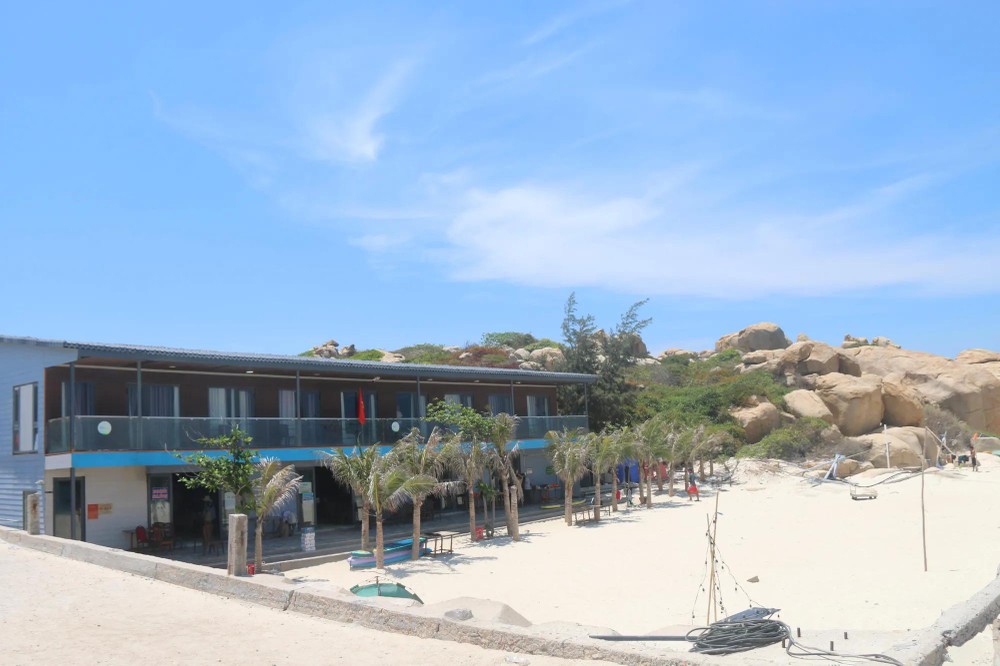
Unlike many crowded coastal tourist destinations, Hon Cau Island currently has almost no tourism accommodation infrastructure. On the island, there is only one lodging area with more than 10 rooms, mainly reserved for visitors stranded due to adverse weather conditions. This is also the island’s only facility providing food services and tour support.
It is precisely this simplicity that has become part of Hon Cau’s unique charm. Without high-rise hotels or densely packed restaurants and shops, the island has managed to preserve the rustic and unspoiled beauty characteristic of Vietnam’s South Central Coast islands.
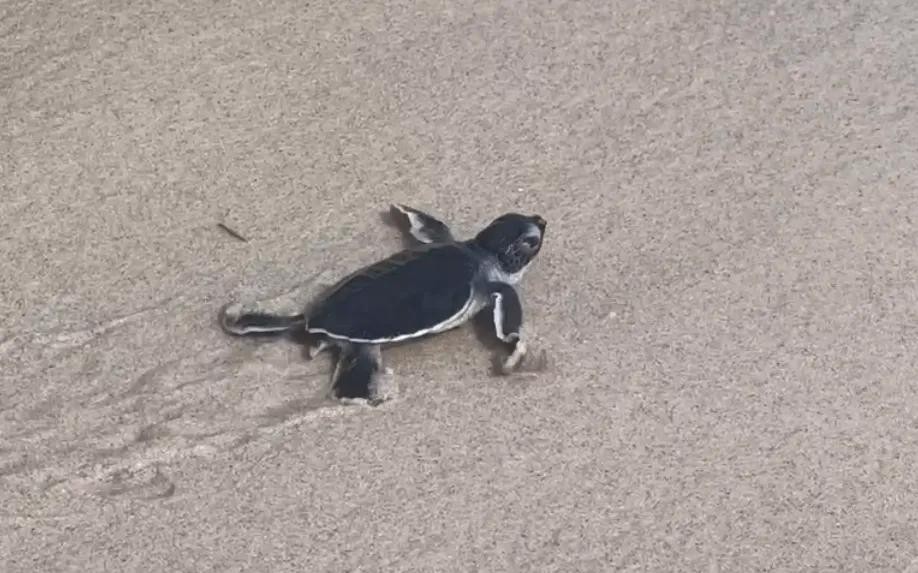
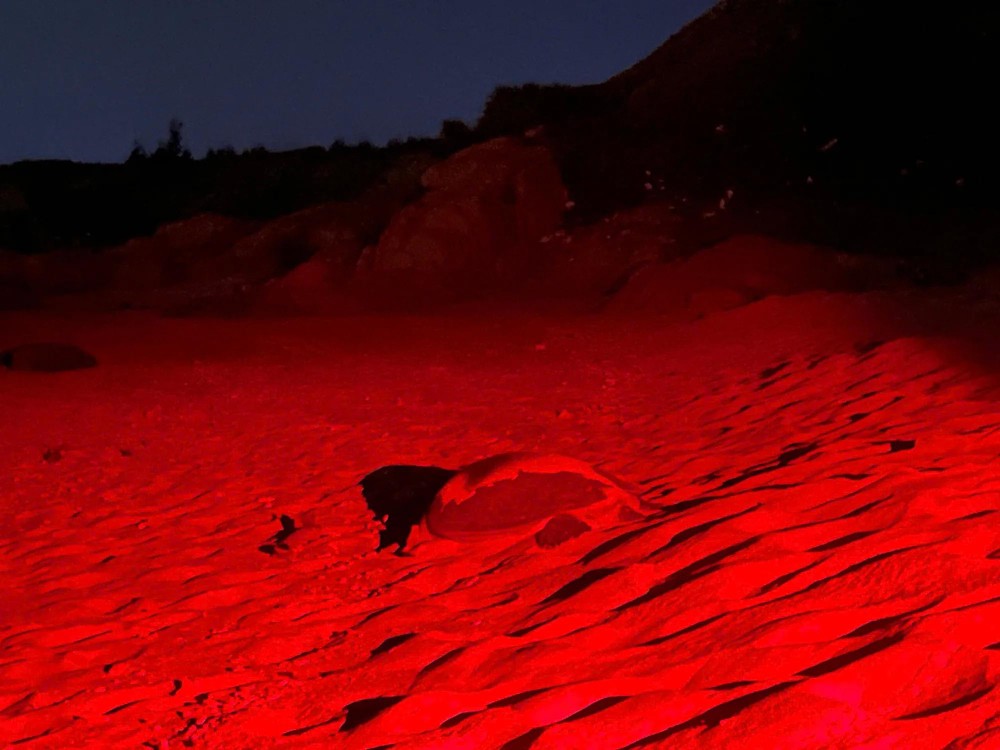
Beyond its scenic beauty, Hon Cau Island has also long been associated with sea turtle conservation efforts. From around April to October each year, many sea turtles — primarily green sea turtles — return to the island to lay eggs.
Some fortunate visitors have even witnessed sea turtles slowly crawling onto the sandy shore at night to build their nests. After the turtles lay their eggs, rescue and conservation teams on the island collect the eggs and transfer them to protected incubation areas before releasing the hatchlings back into the ocean.
Amid the increasingly vibrant tourism development along the South Central Coast, Hon Cau Island remains like a tranquil green haven in the middle of the sea. It is a place where visitors can momentarily leave behind the noise and rush of daily life, listen to the sound of waves and sea breezes, and fully appreciate the pristine beauty of Vietnam’s coastline.