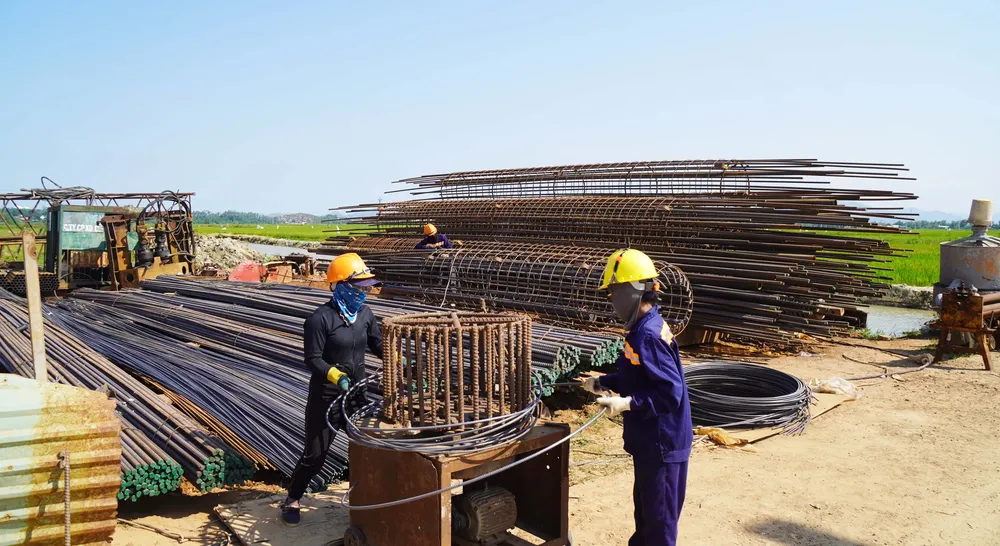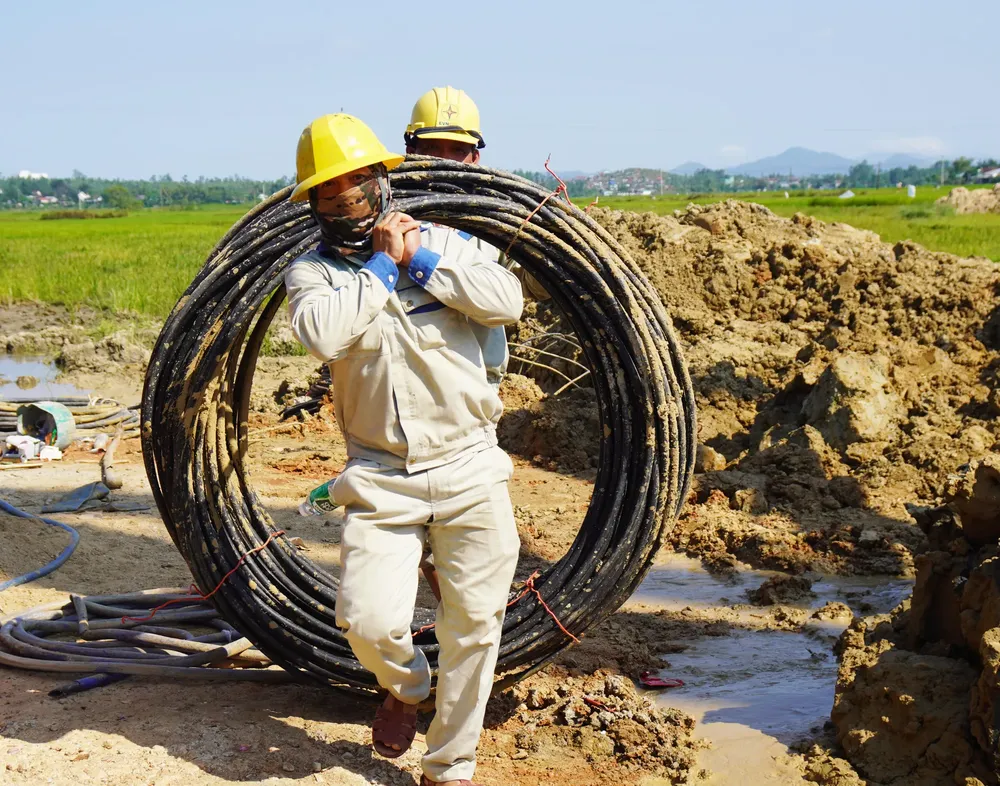
Amid scorching heat, hundreds of workers continue to maintain construction activities on the Quy Nhon – Pleiku Expressway project, contributing to improved connectivity within the Cambodia–Laos–Vietnam Development Triangle.
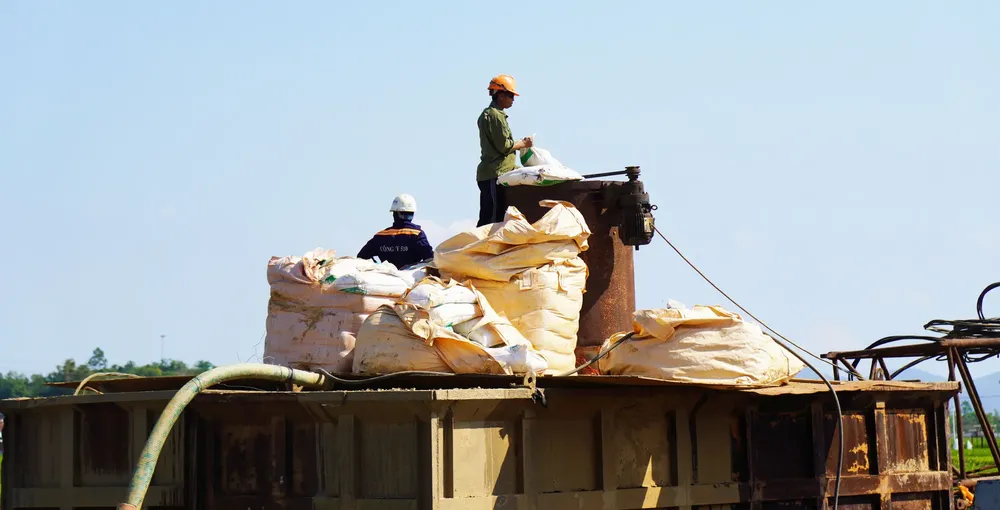
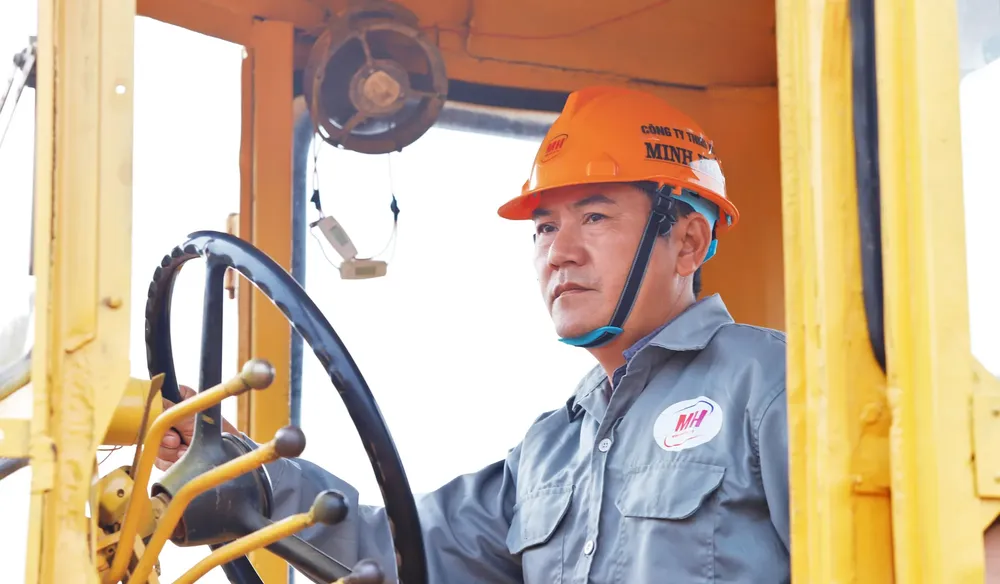
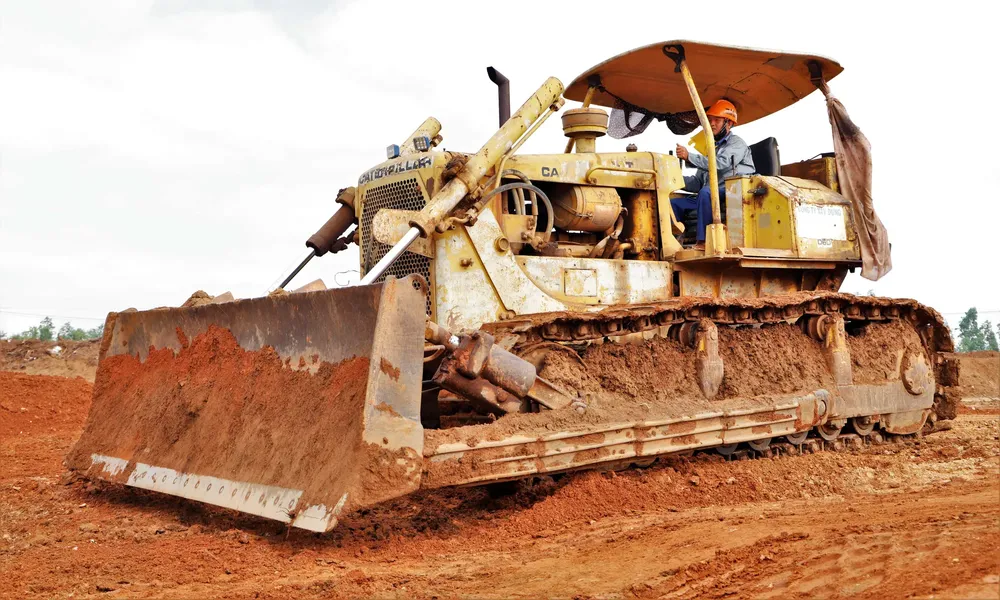
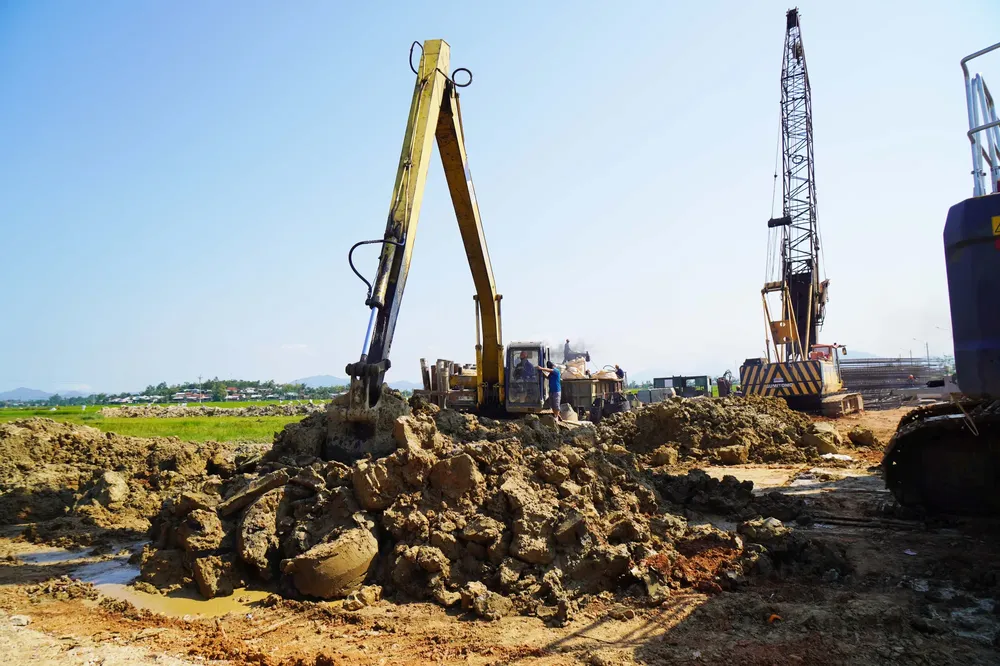
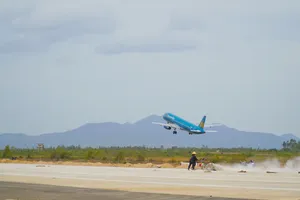
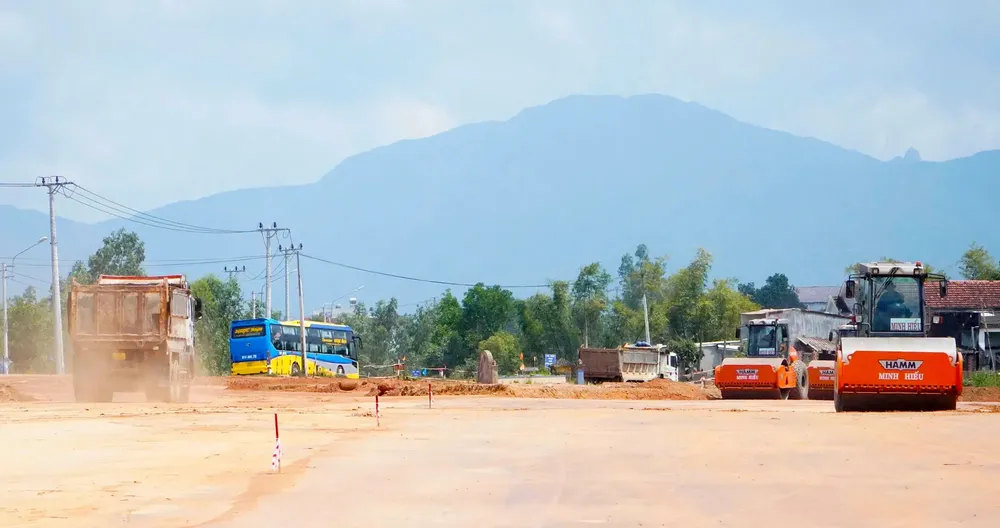
At Package No. 1, contractor Minh Hieu has mobilized approximately 200 workers and engineers, along with more than 310 units of machinery and equipment. The contractor is currently focusing on embankment filling and ground compaction at the starting interchange connecting to National Highway 19B, near Phu Cat Airport.
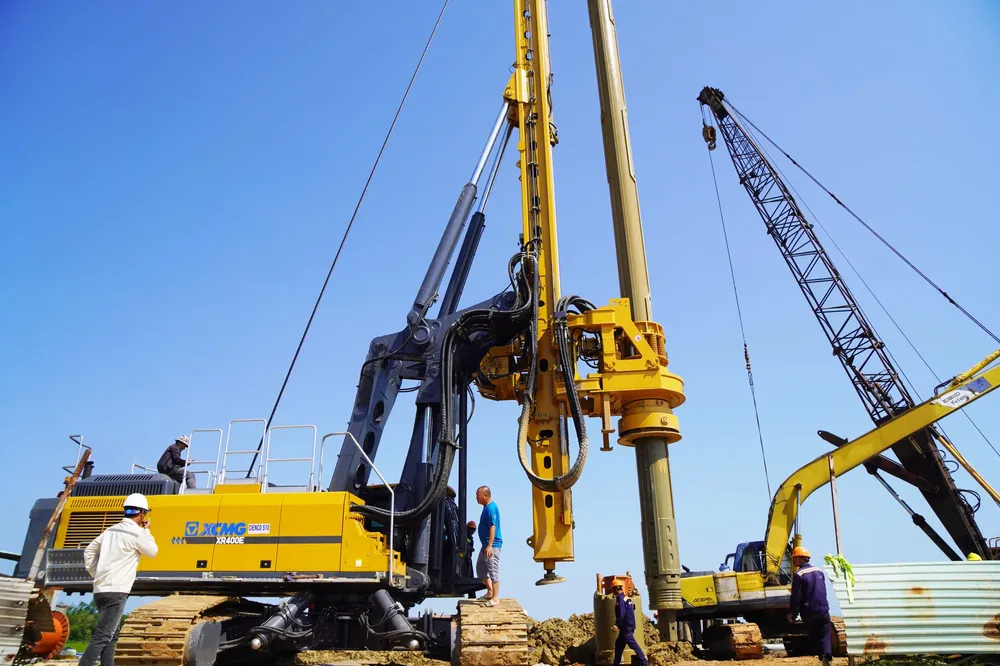
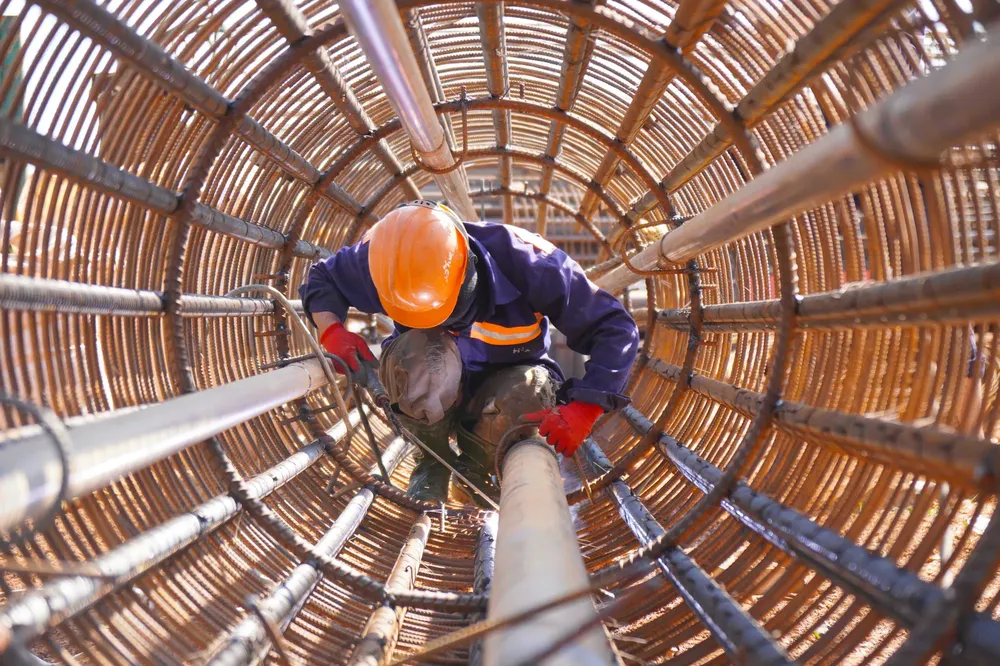
Not far from this location, another construction unit is deploying large-scale drilling rigs in the middle of fields to carry out bored piling works for the expressway overpass.
Mr. Luu Nhat Phong, Director of the Gia Lai Provincial Management Board for Transport and Civil Works Projects, representing the project’s investor, stated that the Quy Nhon–Pleiku Expressway stretches approximately 125 km, with a total investment of over VND43.7 trillion (US$1.7 billion). The expressway is designed with four lanes, a roadbed width of about 24.75 meters, and a design speed of 100 km/h. The project is divided into three component subprojects, all managed by the Gia Lai Provincial People’s Committee as the investor.
Since late 2025, the locality has commenced construction of Component Project 1 (22 km) and Component Project 3 (approximately 35 km).
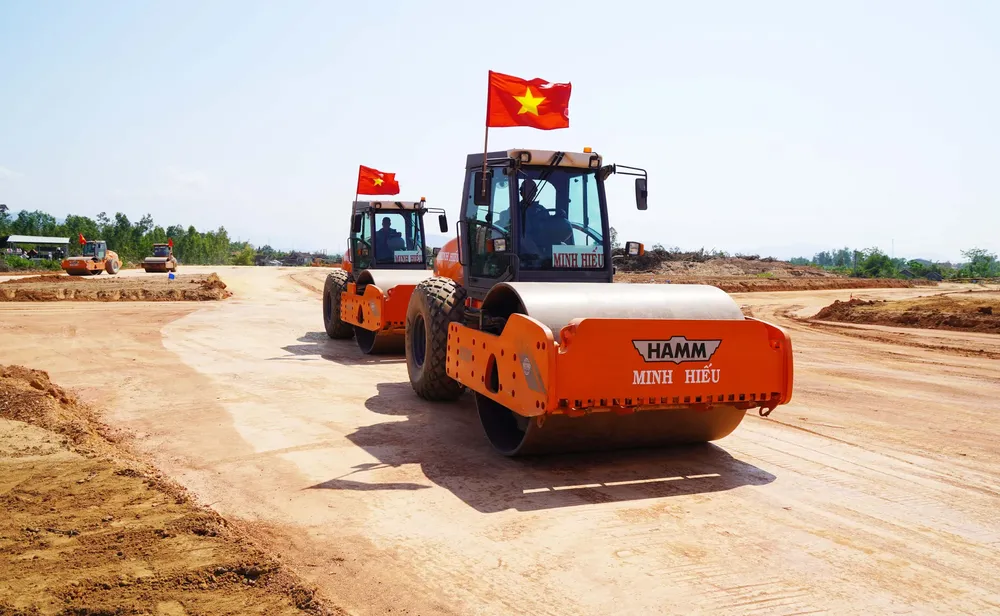
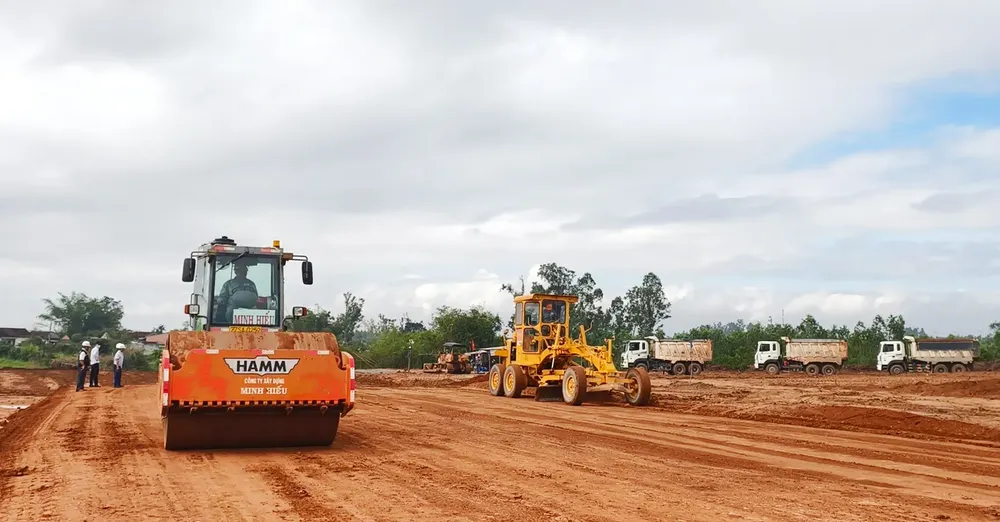
Component Project 2 is scheduled to break ground on May 19, 2026. Preparatory procedures are currently being finalized to ensure adherence to the planned timeline. Notably, this section includes two tunnels passing through An Khe and Mang Yang mountain passes. Given the complex terrain, extensive preparation is required before construction.
According to Mr. Nguyen Tu Cong Hoang, Vice Chairman of the Gia Lai Provincial People’s Committee, the Quy Nhon – Pleiku Expressway is a nationally significant project with far-reaching implications for socio-economic development and enhanced connectivity between the Central Highlands and the South Central Coast.
Once completed, the route is expected to help establish an East–West economic corridor, thereby unlocking the potential of the Central Highlands and fostering stronger linkages within the Vietnam–Laos–Cambodia Development Triangle.
The Gia Lai Provincial People’s Committee has instructed localities to accelerate site clearance under the principle of “construction follows land availability,” while maintaining a high construction pace across project sites. Authorities are determined to meet all scheduled milestones as planned.