The most extensive and comprehensive restoration in more than two decades at the Special National Historical Site of Hien Luong–Ben Hai (Quang Tri) is helping to carry forward the story of a “longing for peace” at a place of profound historical significance, one that bore witness to immense upheaval over a prolonged 20-year period.
Le Thi To Hoai, head of the management board of the Special National Historical Site of Hien Luong–Ben Hai, said that the restoration, refurbishment, and reopening of the site to visitors on the occasion of the 51st anniversary of the Liberation of the South and National Reunification (April 30, 1975 – April 30, 2026) is a meaningful act to preserve the essence of history, promote the tradition of gratitude, and safeguard this invaluable heritage for future generations.
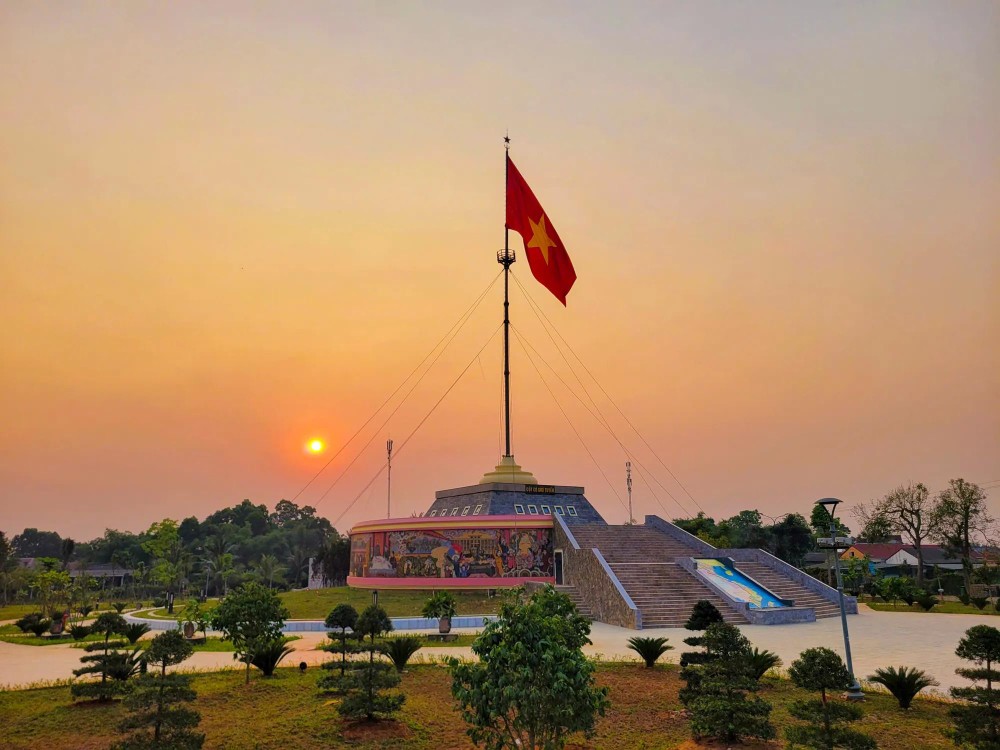
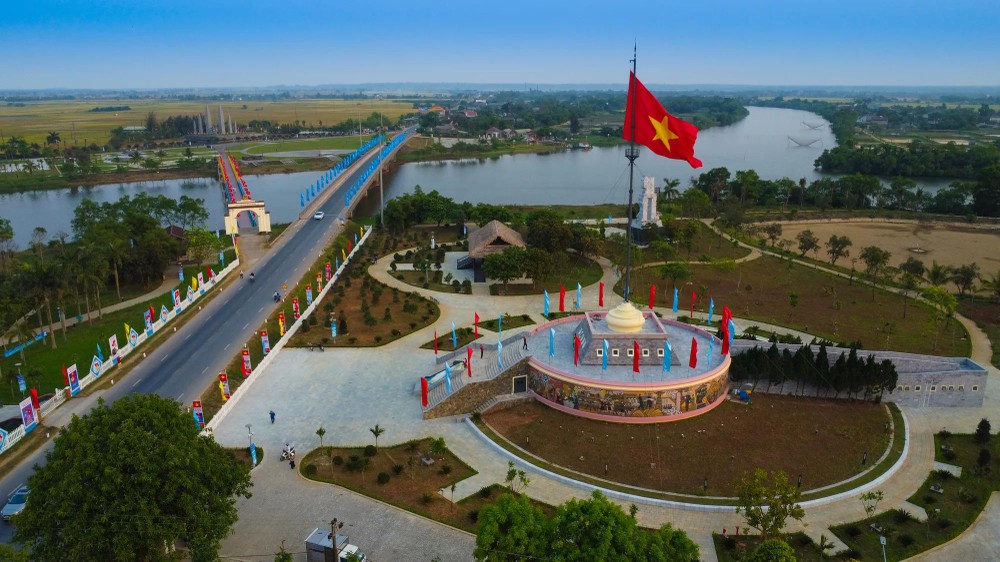
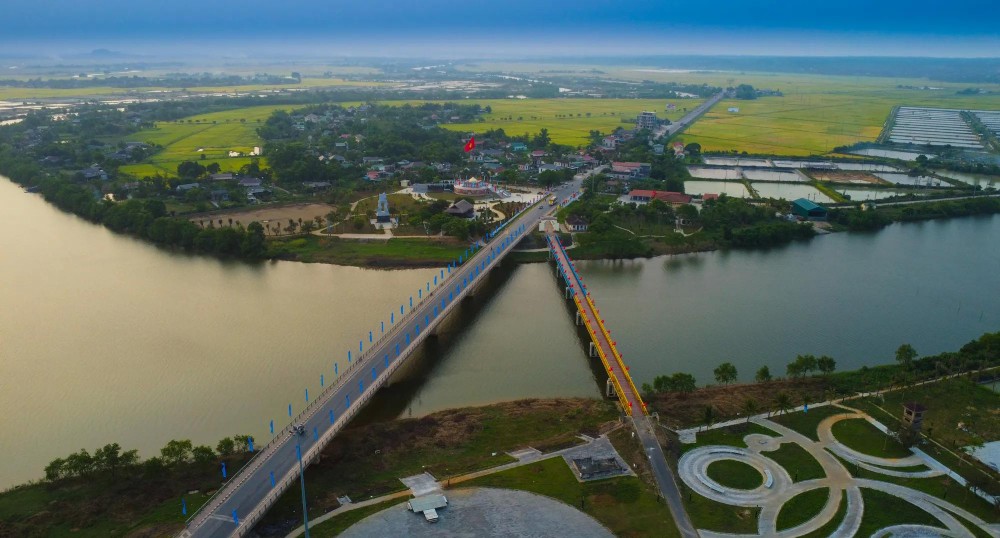
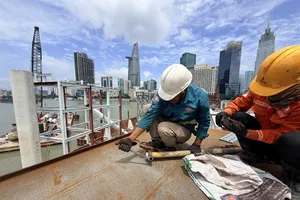
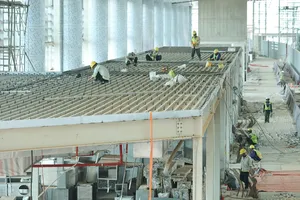
With a total investment of around VND80 billion (over US$3 million), the project began construction in August 2025, focusing on key components of the site, including the flag tower, Hien Luong Bridge, the inter-zone building, reception facilities, and other supporting structures. This is regarded as the largest and most comprehensive restoration effort undertaken at the site in over 20 years.
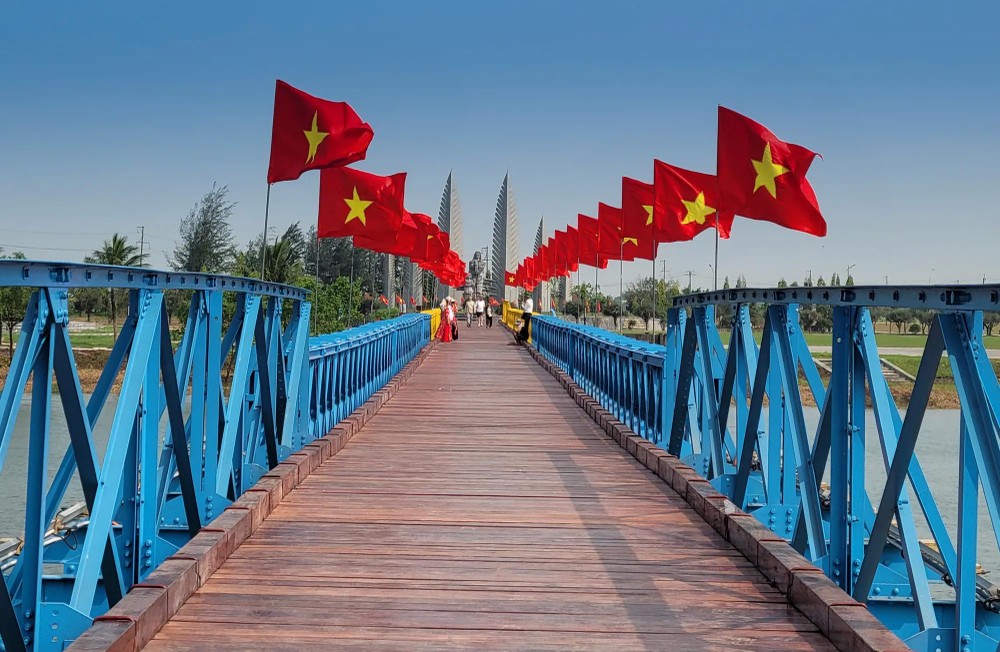
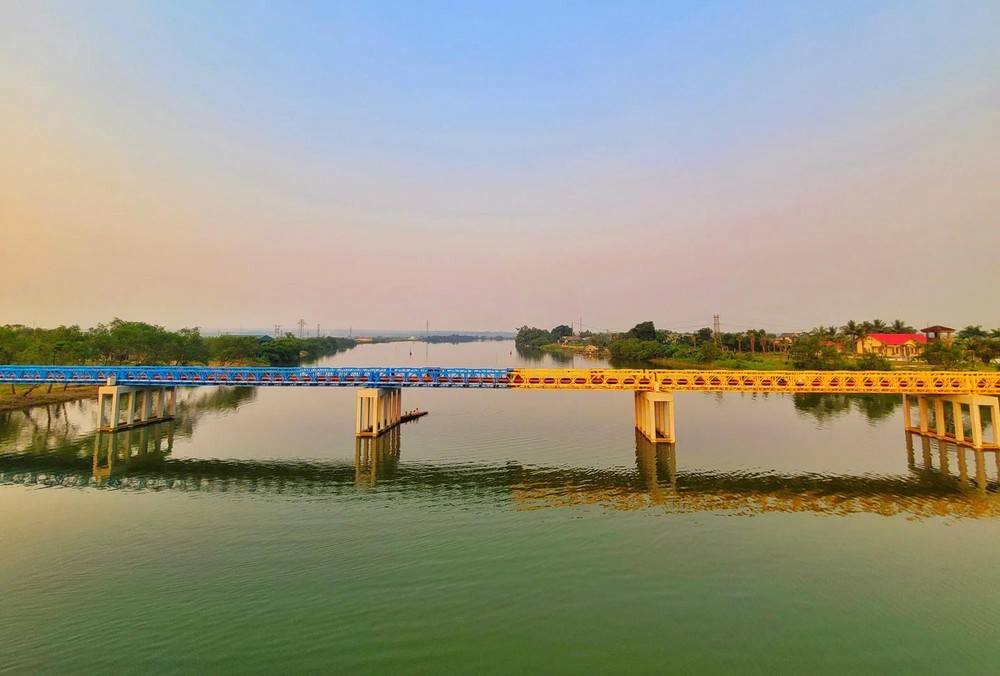
A defining feature of this restoration is the principle of preserving original elements to the greatest extent possible. In the restoration of Hien Luong Bridge, components still fit for use have been retained, reinforced, and reinstalled to ensure historical authenticity.
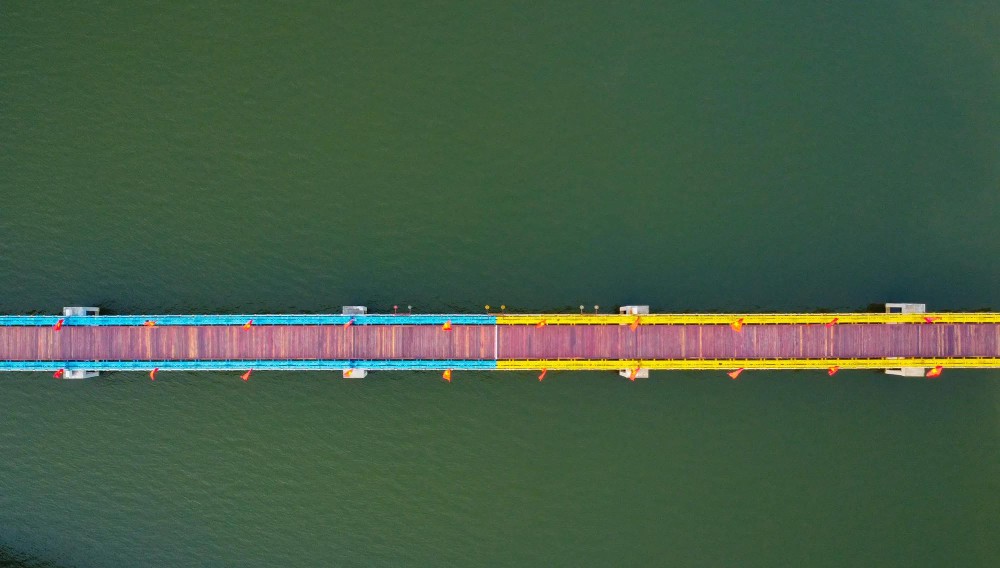
At the same time, several elements have been upgraded in a modern direction while remaining harmonious with the overall heritage landscape. The bridge deck has been relaid with ironwood planks, its structure strengthened, and its distinctive color bands repainted, creating a renewed yet familiar appearance.
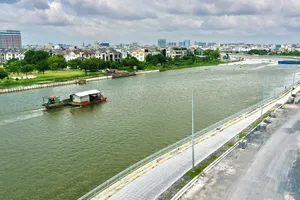
The surrounding landscape has been expanded and reorganized more systematically. Walkways, lawns, and greenery have been arranged in a balanced layout, creating a cohesive environment that maintains solemnity while enhancing accessibility and the visitor experience. Notably, the Reunification Park— the project’s central feature—has been envisioned as an open-air cultural space connecting historical values with contemporary life. This integration helps highlight the message of reconciliation and national unity, a central theme of the site.
Following the project’s completion and gradual operation, the appearance of Hien Luong–Ben Hai historic site has changed markedly. The area is now more spacious and orderly, with upgraded infrastructure and expanded parking facilities better meeting visitor demand.
After the 1954 Geneva Conference, the Ben Hai River became a temporary military demarcation line, dividing the country into North and South.
Throughout the course of the struggle, amid relentless bombardment, the national flag at the bridgehead of the demarcation line flew day and night proudly, becoming a symbol of determination and the aspiration for reunification. It also served as a source of faith for people in the South looking toward the North, toward the Party and President Ho Chi Minh, inspiring both soldiers and civilians to persevere and achieve historic victories.
Hoang Nam, Vice Chairman of the Quang Tri Provincial People’s Committee, said that although the war has long ended, the painful memories, losses, and quiet yet profound sacrifices will endure. Ben Hai–Hien Luong, once a site of national division, has become a powerful symbol of steadfast faith and enduring aspirations for independence, reunification, peace, and development.
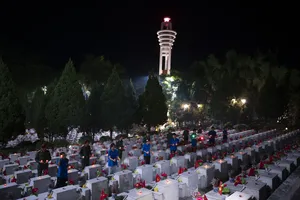
“To achieve the unified country we have today, the Vietnamese people have paid an immense price in blood and sacrifice, with millions of devoted sons and daughters laying down their lives, including tens of thousands from Quang Tri who have become part of the land itself, turning it into sacred ground—a testament to patriotism and an enduring aspiration for peace," Vice Chairman Hoang Nam emphasized.