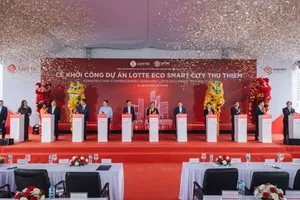
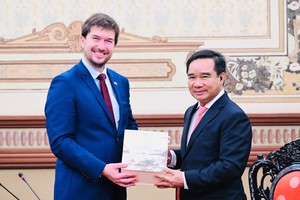
Ho Chi Minh City is set to undergo sweeping changes under Resolution No. 09-NQ/TW of the Politburo, issued May 19, 2026. The resolution outlines reforms in growth models, institutional frameworks, infrastructure, culture, and human resources, aiming to position the city as a global hub.
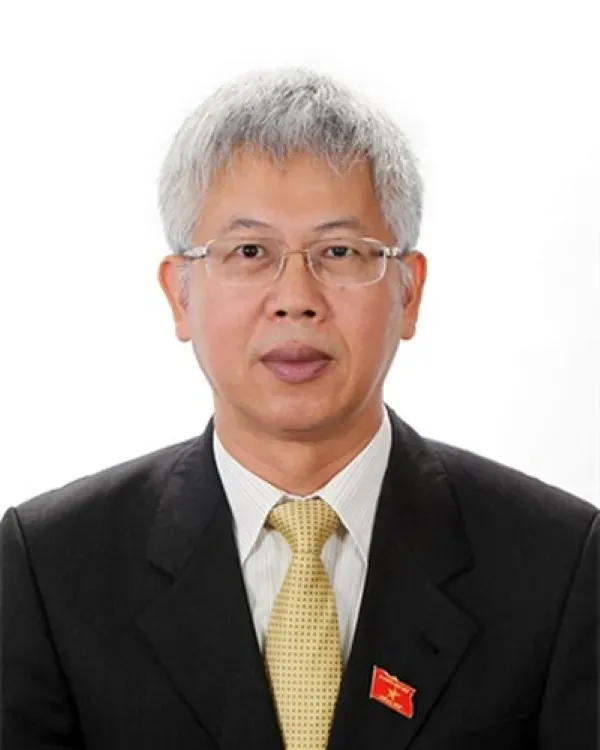
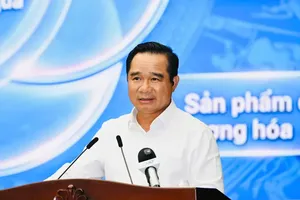
Nguyen Duc Kien, former Vice Chairman of the National Assembly’s Economic Committee cum and former Head of the Prime Minister's Economic Advisory Group, said investment mechanisms must be attractive to draw science and technology capital. He described Resolution 09 as a strategic step, reflecting the motto “Ho Chi Minh City for the whole country, the whole country for Ho Chi Minh City”, and setting a vision for comprehensive development.
Former Head of the Prime Minister's Economic Advisory Group Nguyen Duc Kien said the city must shift away from traditional industry based on processing, cheap labor, and land-intensive sectors. He called for a new model driven by high-tech industries, clean energy, advanced services, and innovation.
Ho Chi Minh City’s advantages include its large market, central role in the southern economic region, developed seaport and logistics system, and strong investment appeal. The city also has high-quality human resources, including intellectuals, technology experts, and a young workforce. He said these factors, if fully leveraged, could provide the breakthrough needed in the coming period.
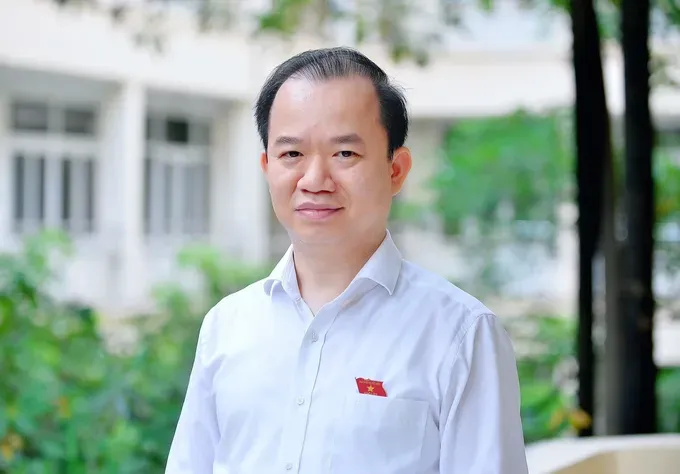
Associate Professor Bui Hoai Son, a member of the 16th National Assembly, speaks that culture shapes the stature of the city named after President Ho Chi Minh.
The Politburo’s Resolution 09 on building and developing Ho Chi Minh City in the new era not only opens up a vision of a global city, but also sets out a very profound requirement: the comprehensive development of the city's culture and people to be civilized, modern, compassionate, and worthy of the city named after President Ho Chi Minh.
The resolution calls for building a society that is civilized, modern and compassionate. The Associate Professor said that the directive is not limited to the cultural sector, but sets a broader orientation for the city’s overall development model.
A global city cannot be measured solely by high-rise buildings, metro lines, financial centers, high-tech zones, or GRDP growth rate. A global city must be measured by the quality of life of its people, by public spaces, by safety, kindness, creativity, tolerance, and by how the city preserves memory and opens opportunities for every individual.
The more modern city becomes, the more it needs to preserve its cultural depth. Urbanization must not disrupt community memory. Globalization must not diminish identity. Economic growth must not cause the values of compassion and solidarity to be relegated to the background. The two words "compassion and solidarity" should be considered a special cultural asset of Ho Chi Minh City. It is this compassion and solidarity that makes this city so attractive, causing so many people to come and stay, work and become attached, and remember it fondly even after leaving.
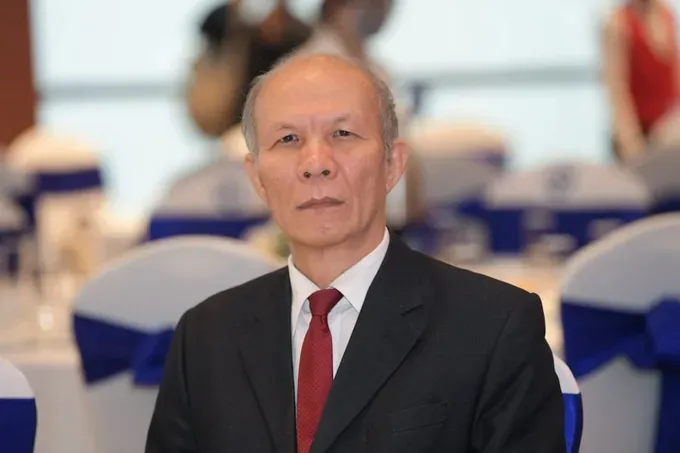
According to Associate Professor Dinh Trong Thinh, an economic expert from the Academy of Finance, Resolution 09 has set out a comprehensive and groundbreaking road map for building and developing Ho Chi Minh City with major groups of solutions, from innovating the growth model, perfecting institutions, infrastructure planning to developing culture and human resources. First, Resolution 09 clearly demonstrates a strong breakthrough in institutional reform.
Authorities are thoroughly decentralized and delegated to each entity and level, as well as the ability to proactively issue legal documents to regulate issues arising from local practice, even when there are no regulations from central agencies.
The Resolution also allows Ho Chi Minh City to proactively pilot new mechanisms and policies in a controlled testing (sandbox) format, independently develop a set of quality standards that surpass national standards, and implement controlled socialization of some professional aspects in handling administrative procedures.
Furthermore, Resolution 09 identified Ho Chi Minh City as a pioneer in transitioning to a growth model based on a knowledge-based economy, digital transformation, and an innovation ecosystem.
Notably, the private sector was identified as "the most important driving force," placed within the new growth structure, with the goal of accounting for approximately 40 percent of the city's GRDP by 2030. This also means that in the new growth model, the private sector will not be "on the sidelines" of policy, but will become a co-creating force for growth, innovation, and competitiveness of the megacity.
Vu Son, from the Institute for Regional Development Research and Consulting at the Ho Chi Minh City University of Economics, stated that Resolution 09 of the Politburo demonstrates a long-term vision, placing Ho Chi Minh City at the center of growth for the entire Southeast region and the country, instead of developing according to the previous administrative boundary mindset. I believe the spirit of Resolution 09 is very correct and accurate in that it views regional infrastructure as the driving force for development.
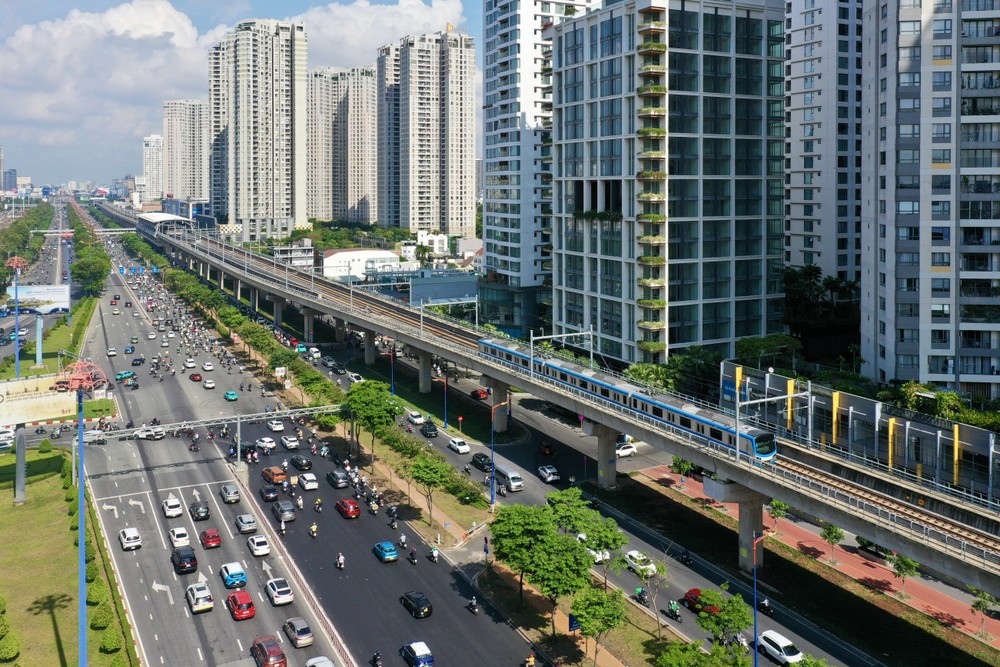
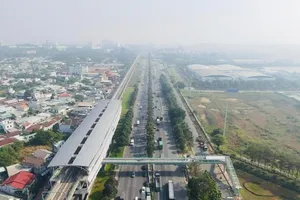
When ring roads, expressways, urban railways, and port logistics are synchronously connected, Ho Chi Minh City will reduce pressure on the central area, while simultaneously forming new growth poles in high-tech industries, financial services, logistics, and innovation.
From a planning perspective, the important thing now is for the city to quickly shift its thinking from "inner-city planning" to "integrated urban regional planning." This requires a substantive coordination mechanism between localities in the region, especially in the areas of transportation, land use, industrial development, and population distribution. Because if each locality continues to develop in its own way, it will be difficult to create overall strength.
In addition, Ho Chi Minh City also needs to prioritize building a shared planning database, promoting digital transformation in urban management, and improving the quality of population and infrastructure development forecasts. Planning must be one step ahead and have long-term stability to build confidence for investors.