Mega projects drive investment surge
According to the Ho Chi Minh City Department of Finance, the city attracted nearly US$2.9 billion in FDI during the first quarter of 2026, marking a 220 percent increase compared to the same period in 2025.
In the second quarter, the city is expected to attract an additional US$8.9 billion, helping it reach the full-year target of US$11 billion ahead of schedule.
By the end of April alone, total FDI inflows had already reached US$3.3 billion. Authorities aim to attract an additional US$2 billion during the third and fourth quarters of 2026.
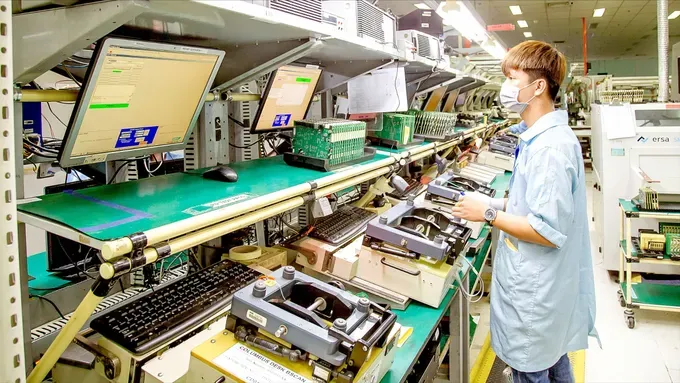
The city granted investment registration certificates to 644 newly licensed foreign-invested projects with total registered capital exceeding US$800 million. Another 65 existing projects received approval for capital adjustments totaling nearly US$272 million. In addition, Ho Chi Minh City approved 641 cases involving foreign investors contributing capital, purchasing shares, or acquiring stakes in domestic enterprises, with total registered capital contributions equivalent to nearly US$2.3 billion.
Several major investment projects have significantly contributed to the city’s strong FDI performance. Among them is the Can Gio International Transshipment Port project, with a total investment of US$4.9 billion. The project is being jointly developed by Vietnam Maritime Corporation, Saigon Port Joint Stock Company and Terminal Investment Limited Holding S.A., a subsidiary of MSC, the world’s largest shipping company headquartered in Switzerland. The consortium officially received investor approval in April.
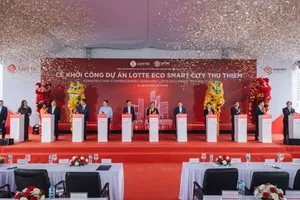
Other notable projects include the Nha Be Metrocity GS project, which increased its investment capital by US$2.2 billion; the Smart Complex project in Functional Area No. 2a within the Thu Thiem New Urban Area, with an additional US$1.2 billion in investment; and an artificial intelligence (AI) data center project at Tan Phu Trung Industrial Park, with registered investment capital of approximately US$2.1 billion.
From the investors’ perspective, many foreign businesses have expressed confidence in Ho Chi Minh City’s new investment attraction policies. Kume Kunihide, Chairman of the Japanese Chamber of Commerce and Industry in Ho Chi Minh City (JCCH), said that Japanese companies continue to regard Vietnam, particularly Ho Chi Minh City, as one of their leading investment destinations.
Flexible mechanisms drive investment growth
Mr. Hoang Vu Thanh, Director of the Ho Chi Minh City Department of Finance, said that the department issued the city’s 2026 FDI attraction plan as early as March 2026.
The city’s detailed investment plan, combined with strong support from local authorities and departments, has helped simplify procedures and speed up project approvals. Several large-scale projects were processed within a month, he said.
However, the city’s strategy is not focused solely on increasing investment volume. According to him, Ho Chi Minh City will prioritize attracting multinational corporations and strategic investors possessing core technologies, advanced management capabilities and high-tech expertise.
Priority sectors include high technology, innovation, data centers, logistics, seaports, supporting industries, international finance and green growth.
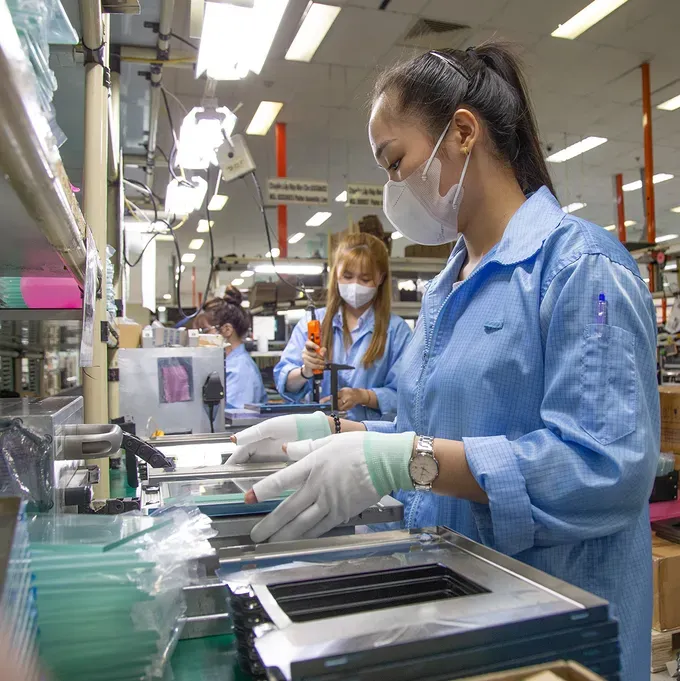
Investment promotion activities are also being restructured to better target specific markets, investor groups, and projects, while post-investment support is being strengthened to improve the conversion rate from investor interest to actual investment commitments.
The city is also enhancing connections between foreign-invested enterprises and domestic companies in order to develop supply chains and maximize the spillover effects of foreign capital.
Mr. Nguyen Ky Phung, Head of the Saigon Hi-Tech Park Management Board, said that FDI attraction at the park has remained highly positive thanks to the city’s “special investment procedures” mechanism, which has created a more open legal framework for investment in strategic high-tech sectors.
Meanwhile, Ms. Cao Thi Phi Van, Deputy Director of the Ho Chi Minh City Investment and Trade Promotion Center (ITPC), emphasized that the city’s strengths, including market scale, a dynamic business ecosystem, logistics infrastructure, innovation capacity and international connectivity, have been key factors in attracting FDI.
Looking ahead, she expressed confidence that with the implementation of special policy mechanisms and the development of the International Financial Center, Ho Chi Minh City will continue to position itself as a strategic destination for high-quality investment flows.