Former central and HCMC leaders have called for the draft Law on Special Urban Areas to create a breakthrough institutional framework with stronger decentralization and delegation of authority to help the city fully realize its role as the nation’s economic engine.
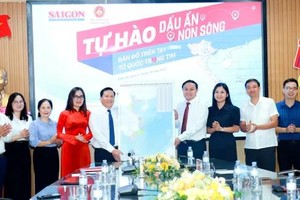
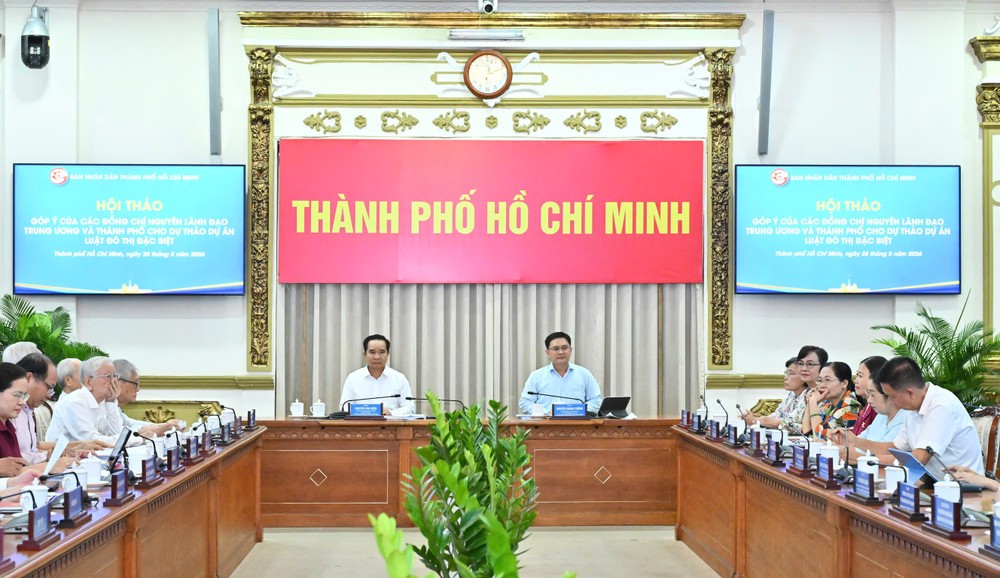
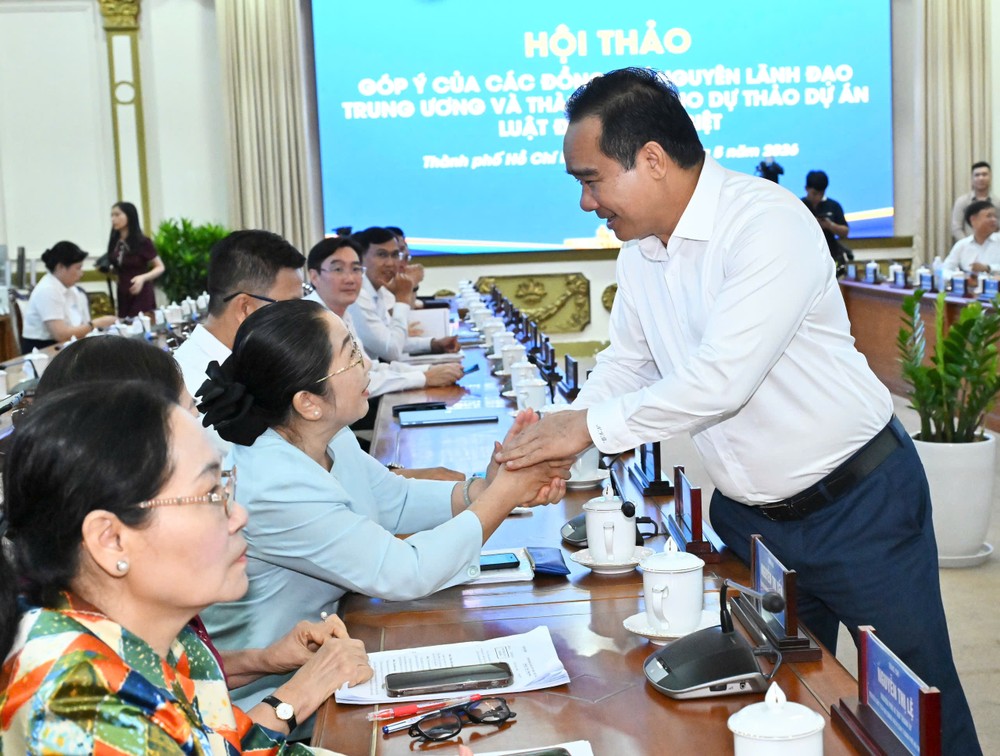
The comments were made at a consultation workshop held by the HCMC People’s Committee on the afternoon of May 28 to gather feedback from former city leaders on the draft legislation. The event was chaired by Mr. Nguyen Van Duoc, Member of the Party Central Committee, Deputy Secretary of the HCMC Party Committee, and Chairman of the HCMC People’s Committee, along with Mr. Nguyen Manh Cuong, Alternate Member of the Party Central Committee, Member of the Standing Committee of the HCMC Party Committee, and Vice Chairman of the HCMC People’s Committee.
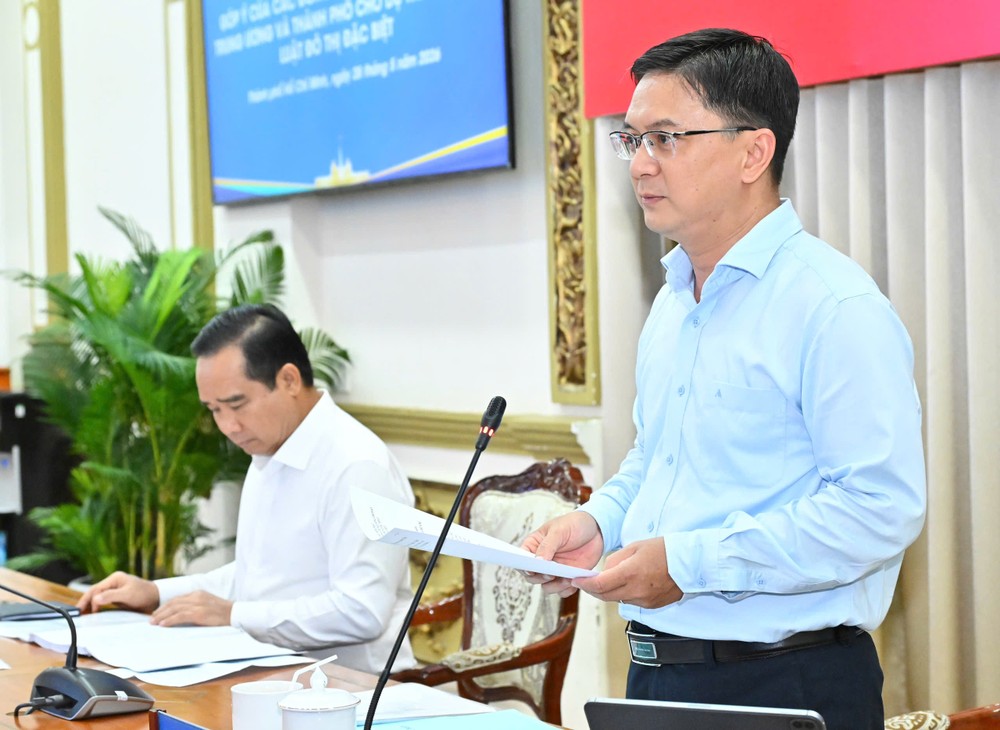
Opening the workshop, Vice Chairman Nguyen Manh Cuong said HCMC, as Vietnam’s only special urban area and the nation’s largest economic, cultural, and science-technology hub, continues to face significant development bottlenecks. He noted that existing institutions, legal frameworks, and policy mechanisms have yet to match the city’s special status and increasingly complex development requirements.
According to Mr. Nguyen Manh Cuong, Politburo Resolution No.09 on the construction and development of HCMC in a new era marked a major milestone, creating strong public and business confidence in the city’s future growth prospects. The resolution, he said, not only sets strategic directions but also demonstrates the central government’s determination to transform HCMC into a modern, civilized, dynamic, and sustainable metropolis while maintaining its position as a leading economic, financial, and service center for Southeast Asia and Asia.
He emphasized that the Politburo and central authorities had agreed to allow HCMC to proactively coordinate with the Ministry of Justice in drafting the Law on Special Urban Areas. Describing the legislation as a historic and strategic mission, Mr. Nguyen Manh Cuong said the law is expected to create an exceptional institutional framework capable of driving stronger breakthroughs in the city’s development.
The HCMC Vice Chairman stressed that the city’s objective is not merely to resolve existing obstacles or seek additional special mechanisms, but to establish a comprehensive and unified governance framework featuring truly exceptional policies that can unlock transformative growth.
Former Deputy Head of the Party Central Committee’s Economic Commission and former Permanent Deputy Secretary of the HCMC Party Committee Pham Chanh Truc said the draft law must clearly define the nature of a “special urban area.” In his view, HCMC’s special status should be understood through its scale, development potential, science and technology foundation, large and internationally integrated market, and its role as the nation’s growth engine and the core of the Southern Key Economic Region.
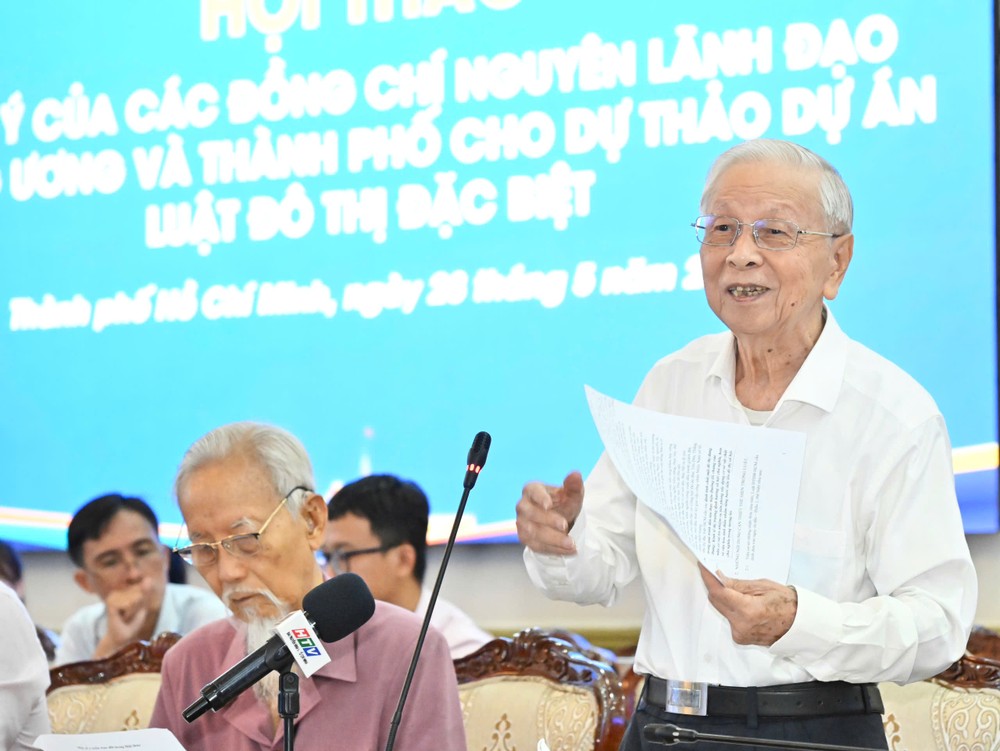
Former Chairman of the National Assembly’s Foreign Affairs Committee Nguyen Ngoc Tran proposed that the draft law clarify overlaps with existing legislation and establish legal safeguards for officials involved in implementing pilot mechanisms or public-private partnership projects, both of which could entail unavoidable risks or technical errors.
He argued that the law should distinguish clearly between risks incurred in pursuit of the public interest and acts motivated by personal gain. Mr. Nguyen Ngoc Tran also suggested granting HCMC the authority and resources needed to build a real-time shared data architecture to support more effective administrative decision-making.
Former Deputy Secretary of the HCMC Party Committee and former Chairwoman of the HCMC People’s Council Pham Phuong Thao recommended granting the city broader authority, stronger policy mechanisms, and greater resources to maximize its autonomy.
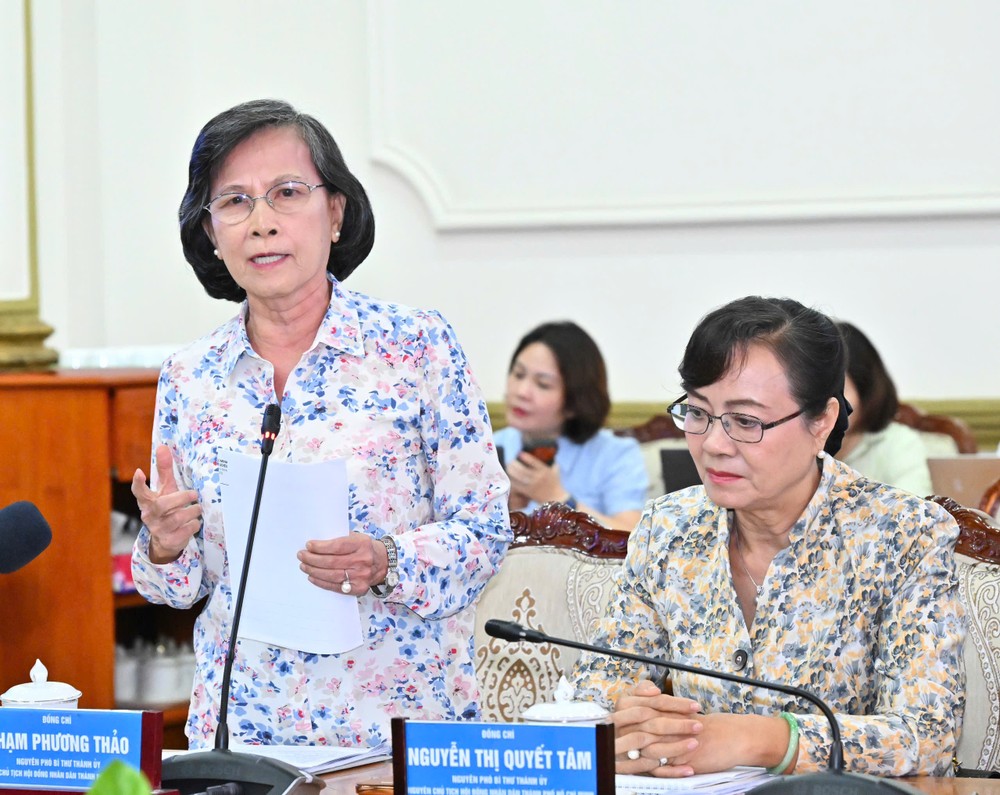
Regarding administrative decentralization, she said the law should clearly define departments and agencies as sectoral State management bodies rather than merely advisory agencies. Such a framework, she argued, would reduce excessive reliance on approvals from the HCMC People’s Committee and improve administrative efficiency.
On talent recruitment, Ms. Pham Phuong Thao stressed that the key issue lies not only in salaries but also in creating a more flexible and empowering working environment. She said experts brought into the administrative system would struggle to contribute effectively if they remained constrained by rigid bureaucratic management and lacked authority over ideas, personnel, research conditions, or implementation mechanisms.
Former Deputy Secretary of the HCMC Party Committee and former Chairwoman of the HCMC People’s Council Nguyen Thi Quyet Tam proposed replacing the phrase “thorough decentralization and delegation of power” with “sufficiently strong decentralization and delegation of power” to better reflect practical realities.
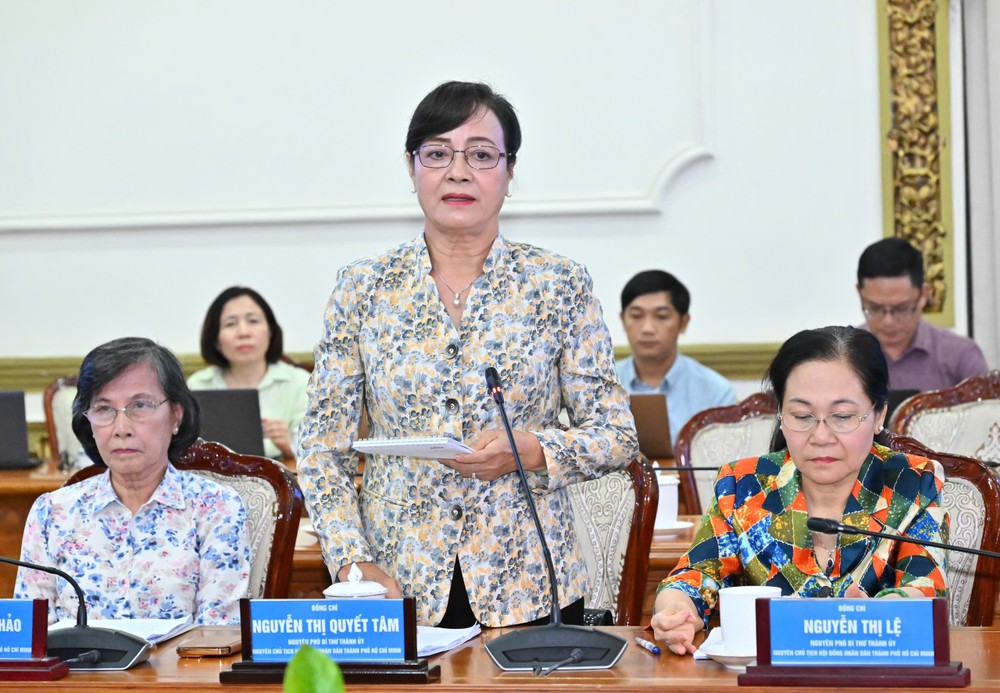
According to Ms. Nguyen Thi Quyet Tam, strong decentralization should be built upon three pillars: HCMC’s actual governance capacity, development potential, and competitive advantages. She said the central government should grant the city full authority and responsibilities beyond the current legal framework while avoiding the cumbersome “ask-and-approve” mechanism that could slow development opportunities.
She also called for changes in governance thinking regarding organizational structures and personnel management, including granting the HCMC People’s Council and People’s Committee greater autonomy to determine staffing structures and job positions suited to the characteristics of a special urban area, thereby maximizing the capacity and creativity of the city’s workforce.


)