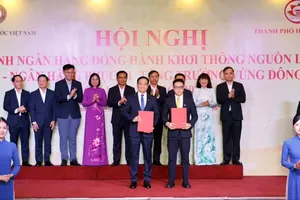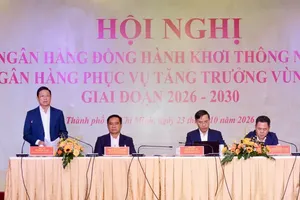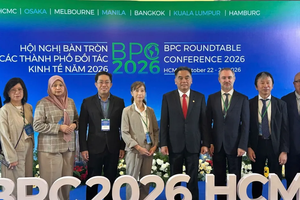
At a working session between a Government delegation and Ho Chi Minh City authorities, representatives of several ministries pledged to work closely with the city to remove bottlenecks in investment resources, infrastructure, and institutional frameworks, creating greater room for HCMC to achieve its ambitious economic growth targets in 2026 and the years ahead.
Participants agreed that, as Vietnam's economic powerhouse, every percentage point of growth recorded by HCMC has a significant multiplier effect on the national economy.
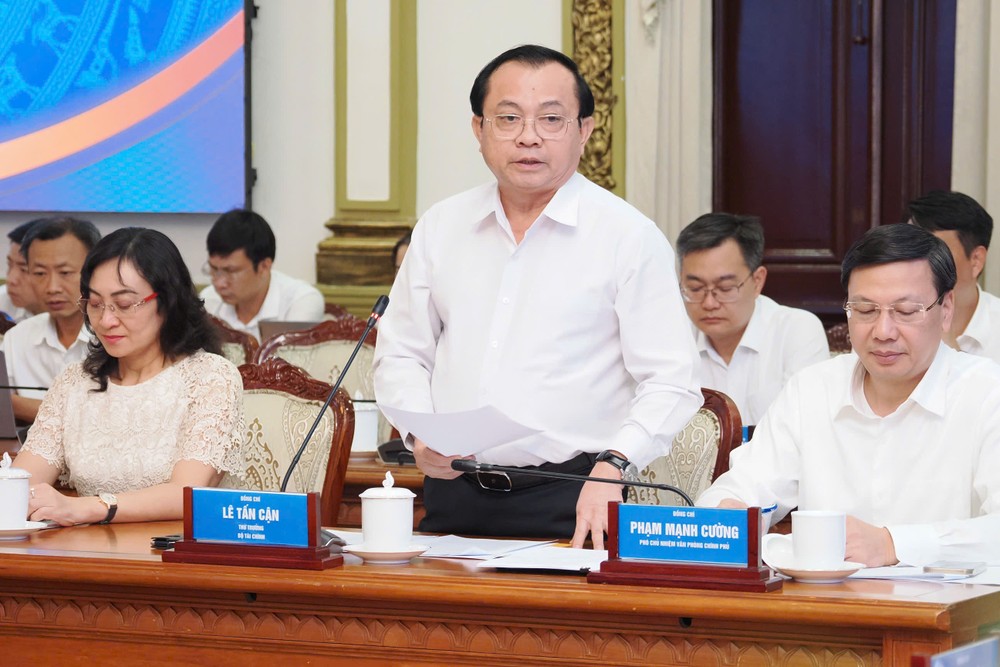
Deputy Minister of Finance Le Tan Can said the city maintained its leading economic role in the first half of 2026, accounting for approximately 24 percent of the country's GDP. Given the scale of its economy, a one-percentage-point increase in HCMC's gross regional domestic product (GRDP) could contribute around 0.4 percentage points to national GDP growth.
HCMC also remained the country's largest contributor to the central budget. State budget revenue in the first six months reached nearly 62 percent of the annual target, exceeding the national average.
To achieve this year's growth target of more than 11.7 percent, however, the city must unlock additional development capacity by mobilizing investment resources and improving policy and institutional mechanisms, Mr. Le Tan Can said.
The Ministry of Finance will coordinate with HCMC to review fiscal and budgetary policies, accelerate public investment disbursement, resolve obstacles facing businesses, stimulate domestic consumption, and reduce costs across the economy.
Mr. Le Tan Can urged the city to continue using public investment as the primary driver of growth, generating momentum for construction, services, and private-sector investment. The central government will prioritize funding for strategic transport projects connecting HCMC with Long Thanh International Airport during the 2026-2030 period, strengthening regional connectivity and expanding the city's development space.
Regarding surplus State-owned assets managed by central agencies, the deputy minister said the Ministry of Finance had advised completing their transfer to local authorities before June 30. For underutilized or improperly used public land and buildings, HCMC should coordinate with relevant agencies to review, recover, and repurpose these assets more effectively for infrastructure development and social housing projects.
The ministry also called on the city to accelerate the resolution of legal and administrative obstacles affecting 414 land-related projects, thereby unlocking additional resources for economic growth.
Deputy Minister of Industry and Trade Phan Thi Thang said her ministry is reviewing and adjusting Vietnam's national power development plans and will consider HCMC's proposals to add new power projects where they align with the country's long-term energy strategy.
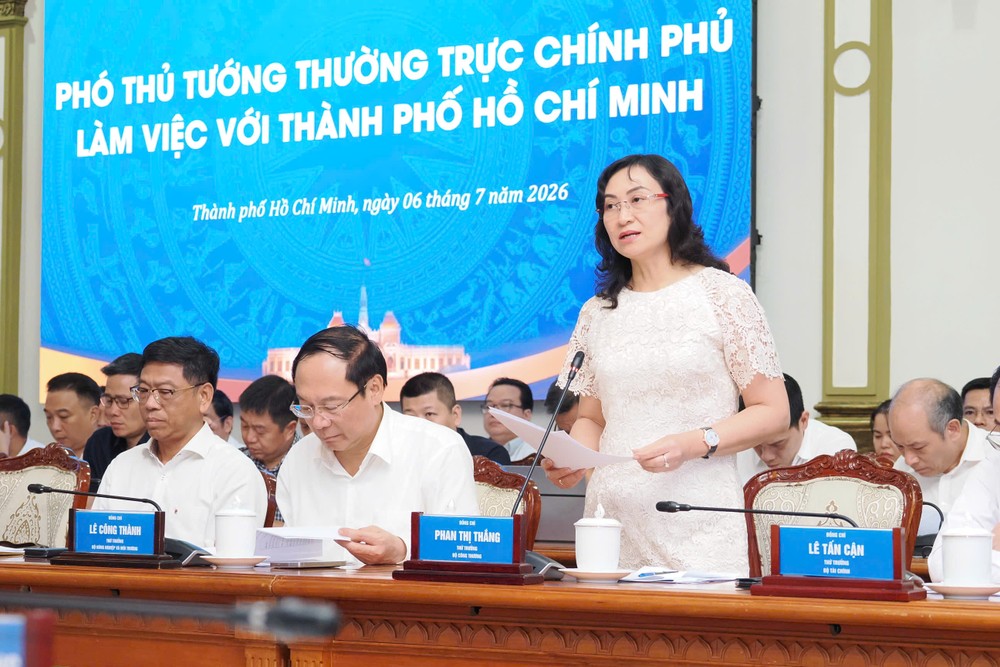
The ministry also expressed strong support for HCMC's vision of becoming a regional energy hub by developing petroleum infrastructure, liquefied natural gas (LNG) facilities, and emerging energy industries. It will work with the city to finalize planning, improve investment mechanisms, strengthen infrastructure connectivity, and facilitate investor selection.
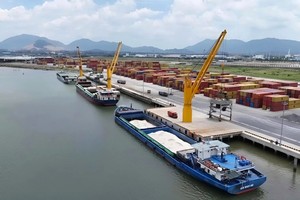
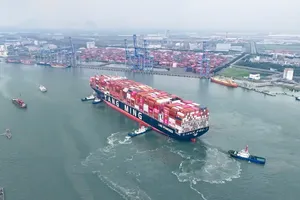
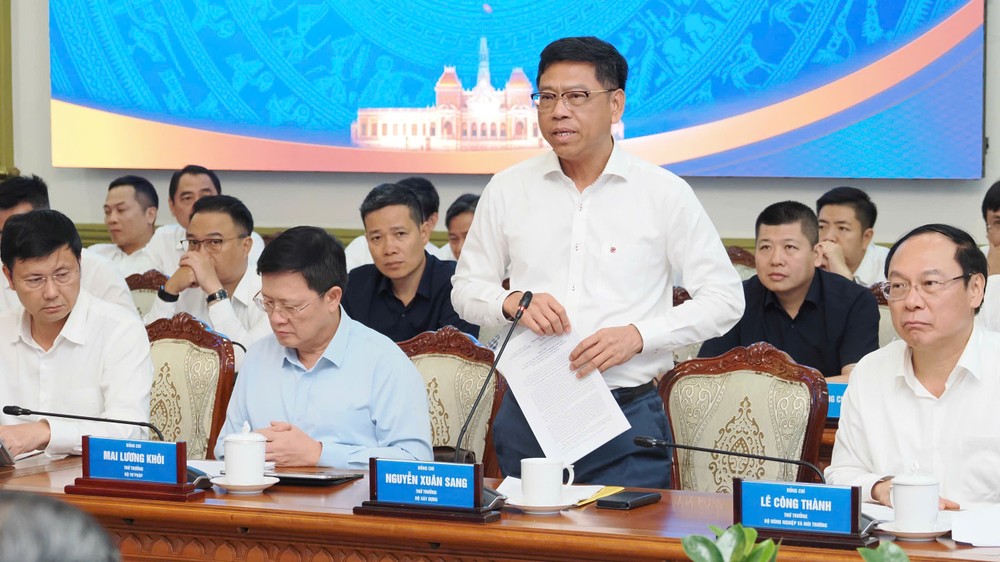
From the perspective of transport and industrial development, Deputy Minister of Construction Nguyen Xuan Sang stressed that HCMC should continue to invest comprehensively in its seaport system, logistics centers, and transport infrastructure while accelerating digital transformation to reduce logistics costs, which currently account for an estimated 14-16 percent of the value of goods.
Mr. Nguyen Xuan Sang emphasized that manufacturing must remain a cornerstone of HCMC's economic growth. Leveraging its high-tech parks, industrial zones, and well-established manufacturing ecosystem, the city should further promote technological innovation, increase localization rates, and deepen integration into global value chains.
Alongside infrastructure investment, ministry representatives agreed that institutional reforms and policy improvements will be crucial to achieving the city's long-term development goals.
Deputy Minister of Agriculture and Environment Le Cong Thanh said his ministry will continue working with HCMC to review and address policy implementation issues. Regulations that prove unsuitable for the governance of a special metropolitan area will be consolidated and submitted to competent authorities for amendment, ensuring compliance with national law while providing the city with greater flexibility in implementation.
Deputy Minister of Justice Mai Luong Khoi noted that Vietnam faces an extensive legislative agenda through the end of the year, with nearly 60 laws and resolutions scheduled for revision, supplementation, or enactment. Many of these legal instruments directly concern urban development, investment, business activities, decentralization, and the delegation of authority to local governments.
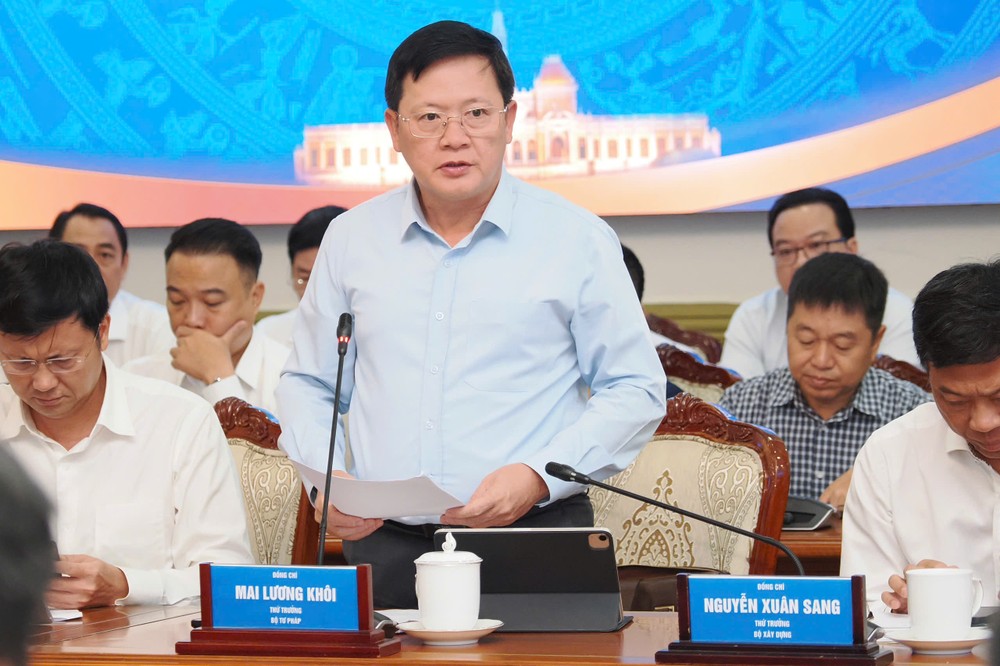
The Ministry of Justice will work closely with HCMC to review and refine these new regulations while removing legal obstacles related to public investment, land clearance, construction, and public procurement. It will also strengthen legal support for businesses, fostering a more transparent, predictable, and stable investment environment.