The gross domestic product (GDP) expanded by an estimated 8.39 percent year-on-year in the second quarter, with all major sectors contributing to growth.
The agriculture, forestry and fisheries sector grew by more than 4 percent, contributing nearly 5.7 percent to overall GDP growth. The industry and construction sector rose nearly 11 percent, accounting for more than 50 percent of total growth, while the services sector expanded by nearly 7.9 percent, contributing more than 44 percent.
For the first six months of 2026, GDP grew 8.18 percent from a year earlier. Agriculture, forestry and fisheries increased by nearly 3.9 percent, contributing almost 5.7 percent to overall growth, while industry and construction expanded 9.8 percent and services grew by more than 8 percent, with each accounting for more than 47 percent of total economic growth.
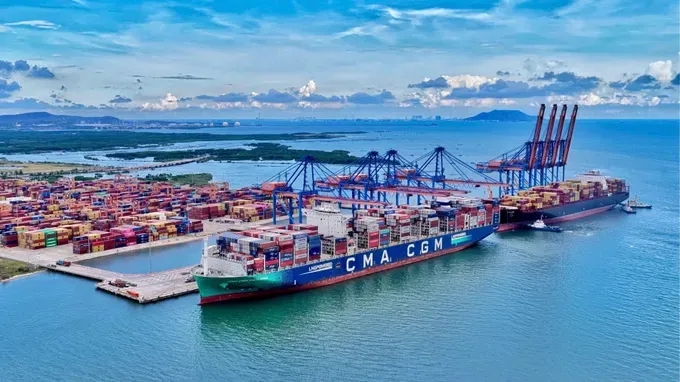
Vietnam's total trade turnover reached nearly US$550 billion in the first half of the year. Exports rose 21 percent year-on-year, while imports jumped by more than 37 percent.
The sharp increase in imports resulted in an estimated trade deficit of nearly US$16.7 billion, reversing the trade surplus of almost US$8 billion recorded during the same period in 2025.
Consumer prices also continued to rise. Average inflation, as measured by the consumer price index (CPI), increased 5.25 percent year-on-year in the second quarter. During the first six months, the CPI rose 4.38 percent, while core inflation increased 4.12 percent compared with the same period last year.
The business sector showed mixed performance. About 169,800 enterprises were newly established or resumed operations in the first half of the year, while around 151,100 businesses suspended operations or exited the market.
Meanwhile, realized foreign direct investment (FDI) reached an estimated more than US$13 billion, up over 11 percent from a year earlier and marking the highest first-half disbursement since 2022.

State budget revenue rose 17.4 percent in the first six months, while expenditure edged up only 0.1 percent year-on-year as the Government implemented measures to curb recurrent spending. The fiscal performance helped ensure funding for socio-economic development, national defense and security, public administration, debt repayments and statutory social expenditures.