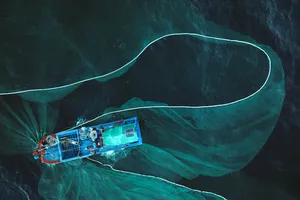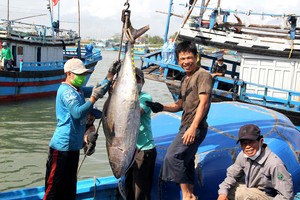
When the sea runs out of fish, fishermen lose their livelihoods. To build long-term wealth from the sea, destructive exploitation must end, illegal, unreported, and unregulated (IUU) fishing must be combated, and appropriate career transitions supported for local residents. Conservation must also receive proper investment; ambitious goals cannot be set only to leave protected waters short of personnel and funding.
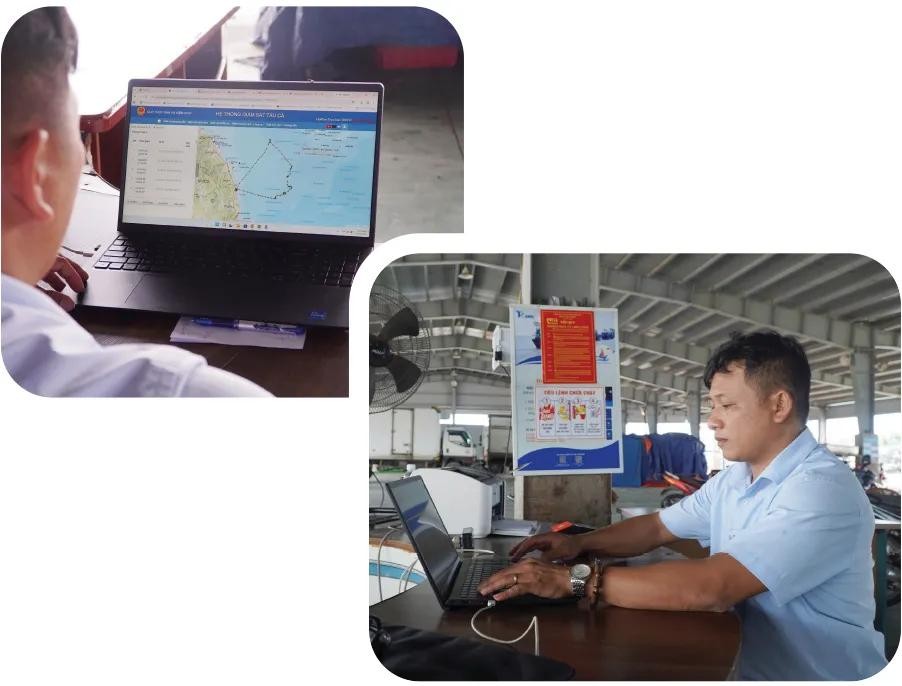
At dawn, Thuan An fishing port in Hue City bustled with activity. Border guard forces arrived early to guide fishermen while inspecting documents, crew lists, communication equipment, and vessel monitoring systems (VMS), allowing ships to depart only when fully eligible. Fisherman Huynh Tham shared that whether at sea or anchored, vessels must maintain tracking devices. "We receive specific guidance on permitted harvesting zones and restricted areas. Local fishermen constantly remind each other to strictly comply with regulations and avoid violations," Mr. Tham said.
According to Captain Nguyen Van Nhan, Station Commander of the Thuan An Border Control Station, alongside harbor entry and exit checks and sea patrols, border guards coordinate with local authorities to organize shipowners and captains to sign commitments against illegal fishing in foreign waters while adhering strictly to anti-IUU regulations.
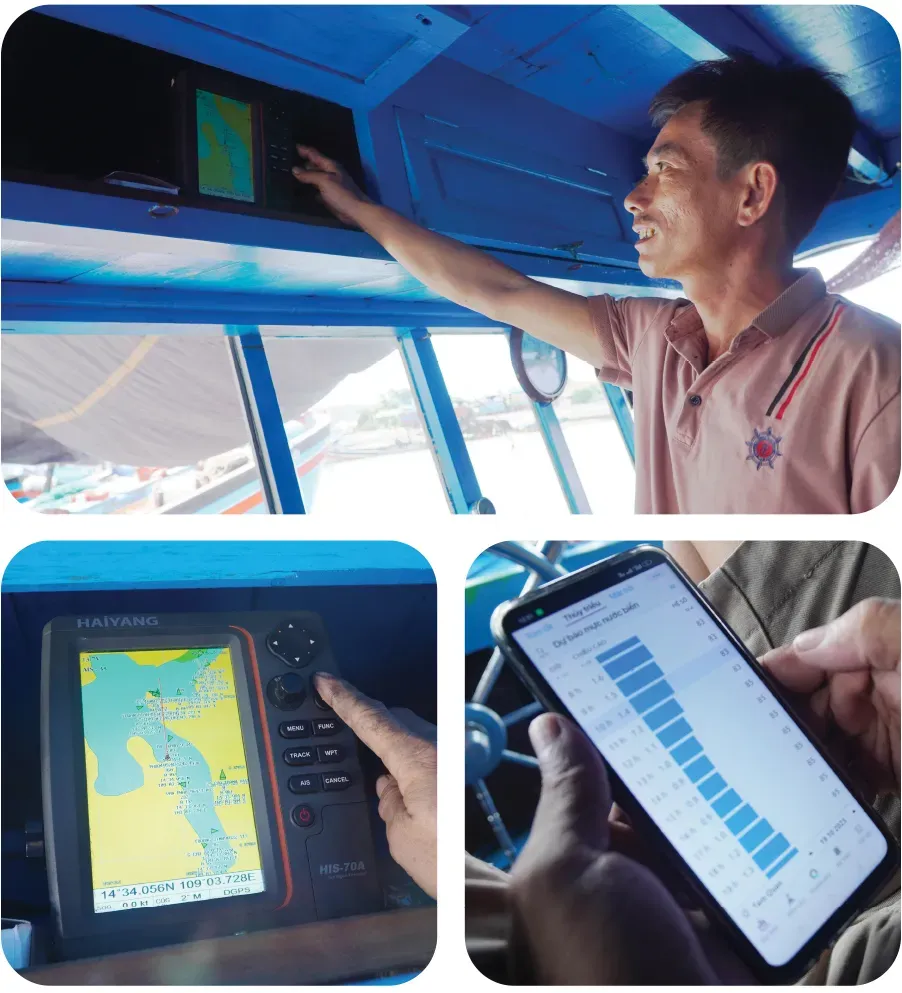
In Quang Tri, fishermen are transitioning to electronic fishing logbooks to comply with anti-IUU requirements. Hong Quang Minh, a vessel owner in Dong Hoi Ward, stated that he and his crew have become proficient in operating GPS-integrated monitoring equipment. The device logs locations, timestamps, and records when nets are dropped and hauled, as well as total output. Data synchronizes with the traceability system, minimizing errors and streamlining inspections. Under the roadmap, Quang Tri applies electronic logs to vessels 15m and longer from September 1, 2026, expanding to vessels 12m and longer from January 1, 2027.
"Since applying electronic logs, fishermen no longer need to write entries manually after every net haul, requiring only quick inputs on the application," shared Huynh Ngoc Hung, a staff member at the Tam Quan Fishing Port Management Board in Gia Lai. Here, operating tracking systems, electronic logbooks, and rescue communications occasionally faces disruptions due to unstable connectivity during bad weather.
Nguyen Anh Dung, Deputy Director of the Gia Lai Provincial Fishing Port Management Board, noted that the locality is surveying and piloting Starlink satellite internet on select fishing vessels to evaluate effectiveness before issuing official policies. The solution is expected to help fishermen maintain contact and alert authorities during emergencies. Colonel Tran Tien Hai, Commander of the Gia Lai Border Guard Command, stated that the province maintains strict oversight under the principle "from shore to sea, from sea to shore," linking inspections with awareness campaigns to ensure legal fishing, protect aquatic resources, and preserve long-term livelihoods.
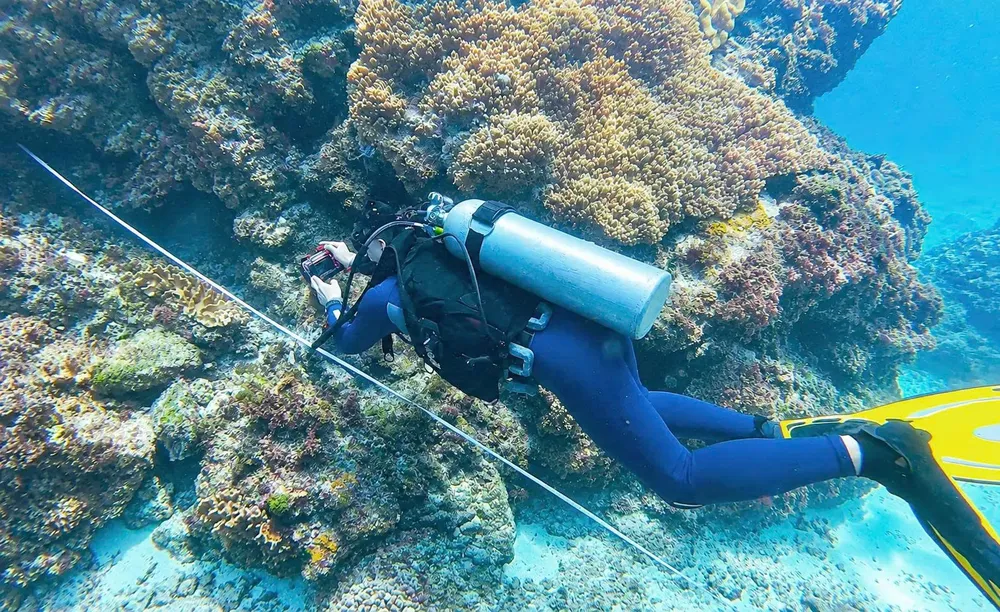
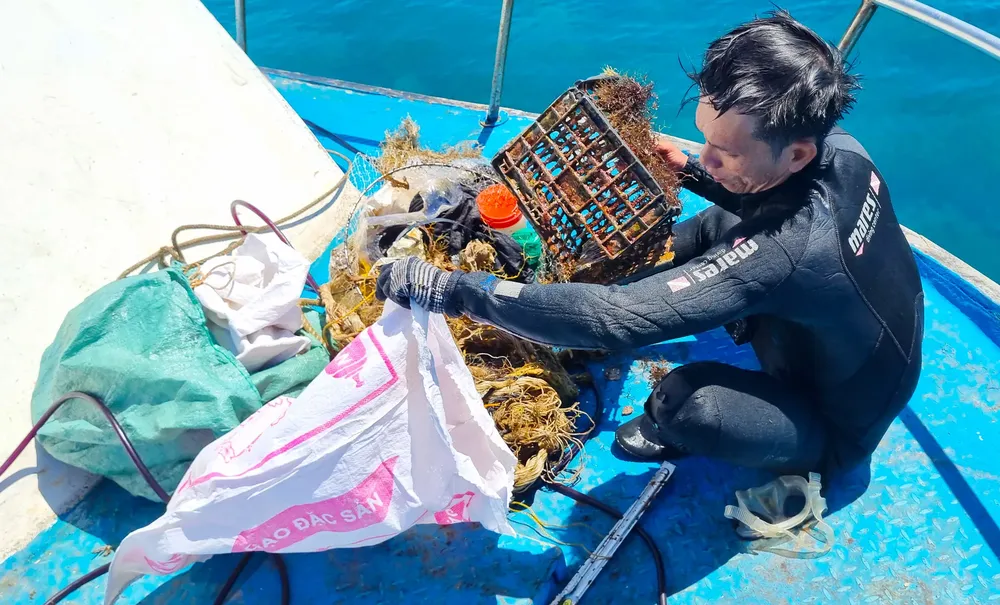
Regarding biodiversity and marine ecosystem conservation, residents in the coastal areas of Phuoc Thien and Hon Cap in Van Tuong Commune, Quang Ngai Province, recounted stories of sargassum seaweeds. Previously, locals harvested spontaneously, uprooting and scraping immature sargassum beds. According to Nguyen Minh Hoang, Vice Chairman of the Van Tuong Commune People's Committee, this practice has ceased. The commune established a community group to restrict harvesting periods, allowing sargassum to reproduce and protecting fish spawning grounds. Permitted harvesting spans 30 to 50 days annually, from mid-January to late March of the lunar calendar. Consequently, over 300 hectares of local sargassum have been preserved.
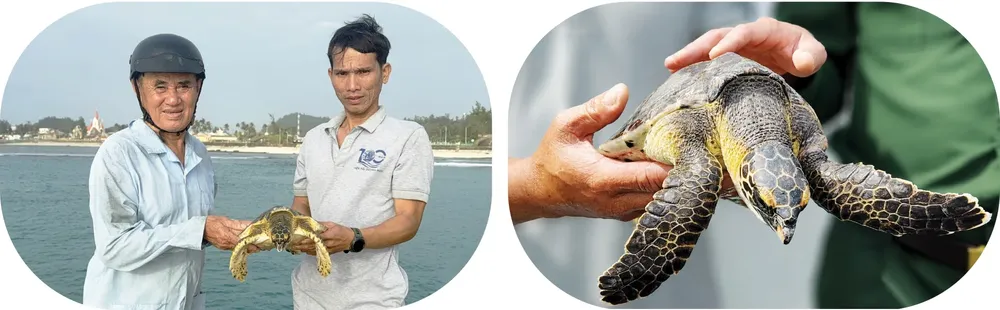
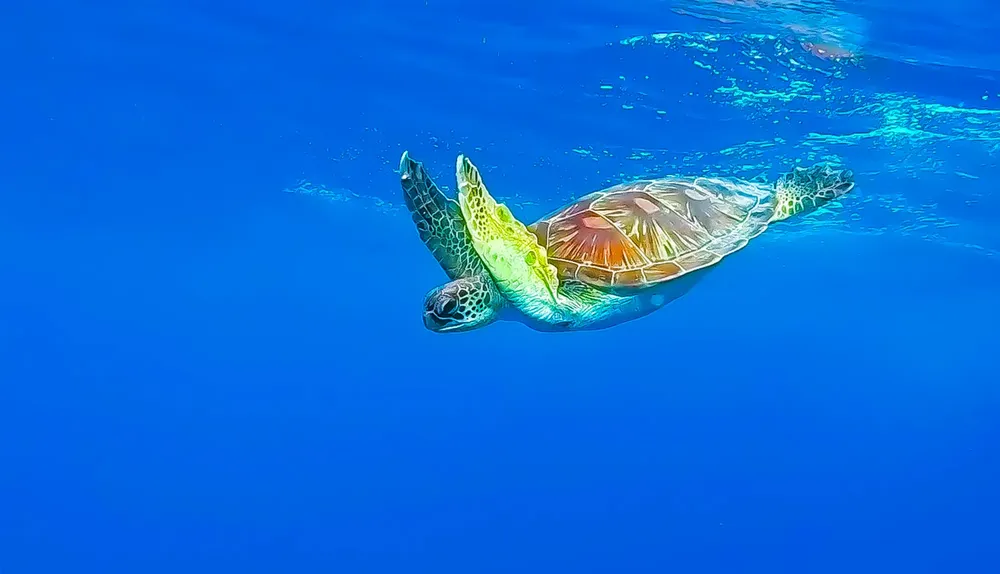
In Ly Son, marine conservation faces hurdles due to shortages of personnel and operating funds. Director Huynh Ngoc Dung of the Ly Son Marine Protected Area Management Board argued that conservation should not be confused with a "museum" where access to artifacts is barred. Marine conservation must be understood as an investment accumulating into natural capital. The value of a protected area lies in its capacity to regenerate marine resources and maintain tourism appeal. Coral reefs and seagrass beds serve as "nurseries" for aquatic species, requiring protection to sustain marine life.
Clear national goals have been established regarding marine spatial management, environmental protection, and sustainable development; specifically, that the total area of coastal and marine protected areas must cover at least 6 percent of the nation's marine territory. However, only 12 of the planned 16 protected areas have been established to date, and their operational effectiveness remains very low. Therefore, these goals for marine spatial management, environmental protection, and sustainable development must be accompanied by the necessary conditions for the actual implementation of these protected areas.
Director Huynh Ngoc Dung of the Ly Son Marine Protected Area Management Board
Director Huynh Ngoc Dung of the Ly Son Marine Protected Area Management Board noted that following mergers, the Ly Son Marine Protected Area Management Board was integrated into the Ly Son Special Zone Public Service Center, losing its independent legal status when working with international partners and organizations. Unit headcount dropped from 10 to 6 personnel, while patrol boat operating funds were cut. Two previously allocated patrol boats currently lack crew to operate them.
Vice Chairman Lam Hai Giang of the Gia Lai Provincial People's Committee stated that the province identifies developing the marine economy based on science, technology, and data to monitor carrying capacity and curb pollution. The province agreed in principle to partner with the French National Research Institute for Sustainable Development and the French National Centre for Space Studies to research and build a marine monitoring station and Earth observation sustainable development project. The monitoring station in the Quy Nhon sea area is slated to collect long-term environmental data, assisting in identifying suitable locations for urban development, industry, seaports, aquaculture, and tourism, while evaluating emission capacity and cumulative impacts from waste sources.
This provides the province with a foundation to proactively prevent hazards, issue early warnings, and manage development according to environmental carrying capacity. "We must not merely exploit, but measure, understand, forecast, and govern the sea. Preserving and caring for the sea today serves generations to come," Mr. Giang emphasized.
Professor Sylvain Ouillon, Chief Representative of the French National Research Institute for Sustainable Development in Vietnam and the Philippines, noted that green marine economic development requires controlling environmental quality—especially water quality—to ensure safety for aquatic products, ecosystems, and consumers. According to him, regular monitoring creates a scientific foundation for coastal harvesting, aquaculture, and economic development; helping identify pollution and implement adjustments when safety thresholds are breached. In particular, monitoring results provide evidence proving the quality and safety of seafood and aquaculture products, thereby supporting exports. Vietnam needs to enhance its capacity to detect emerging pollutants, build specialized laboratories, and train analytical personnel.
Maritime security strengthens economic growth and national defense
Safeguarding sovereignty, security, and safety at sea provides a stable foundation for citizens and businesses to invest and expand production with confidence. At the same time, a strong maritime economy can generate additional resources for maritime defense, according to Senior Colonel Tran Tien Hai, Commander of the Gia Lai Border Guard Command.
Fishermen are a force that operates regularly and continuously across Vietnam’s maritime areas. Every offshore fishing trip not only creates economic value but also helps reinforce Vietnam’s civilian presence at sea. Therefore, assisting fishermen during accidents and natural disasters, while maintaining reliable communication between fishing vessels and competent authorities, should be given priority. Building an "all-people national defense posture" at sea must begin with winning the support and trust of the people.
PhD candidate Nguyen The Phuong of the University of New South Wales in Australia said coastal infrastructure should be developed with dual-use capabilities, serving both economic and defense needs. From the planning stage, deep-water ports should be designed to accommodate and refuel military vessels and large fisheries surveillance ships in emergencies.
Coastal spatial planning should also ensure strong connectivity from North to South, creating a robust economic and technical support network. Economic zones, coastal urban areas, and inland logistics hubs can provide energy, food, medical supplies, and technical rescue services for outpost islands.
Accordingly, investment should focus on essential infrastructure such as electricity, roads, schools, medical stations, and fresh water systems on the islands. Residents should be relocated to suitable islands for long-term settlement, alongside the development of boat shelters and fishery logistics service centers. Such infrastructure would help fishermen reduce operating costs while strengthening emergency response capacity and supporting national defense missions when necessary.
More equal approach to the seas is adopted
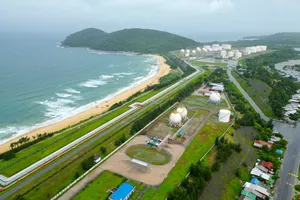
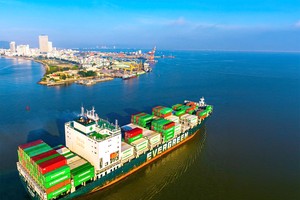
With a coastline stretching more than 3,200 kilometers, not including its islands, Vietnam has a major advantage in trade with the world. For thousands of years, venturing out to sea has meant hardship and danger. Today, coastal communities still face many challenges: fishing boats return with full holds but fishers remain poor; the vast expanse of the sea offers great potential for marine aquaculture, but numerous barriers remain; there are many seaports, yet they are “starved” of cargo; and marine tourism has enormous potential, but generates relatively little value.
However, if Vietnam views the sea primarily through the lens of hardship, challenges and fear, and retreats in the face of them, it will struggle to prepare for the major opportunities offshore. The time has come to treat the sea on equal terms. In order for the sea to contribute more, there must be commensurate investments in the sea and in the people whose livelihoods depend on it. Resolution No. 20-NQ/TW sets out this strategic goal, while Resolution No. 218/NQ-CP translates it into an action program. A sea-oriented mindset must be reflected in every decision on resource allocation. Fully implementing the two resolutions will pave the way for Vietnam to develop maritime centers capable of competing internationally, industrial-scale marine aquaculture zones linked to processing and exports, and a clean offshore energy industry.