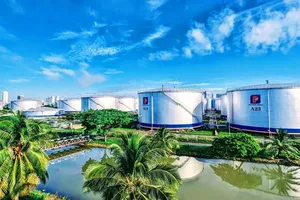
Vietnam is situated along the East Sea, on a maritime route connecting the Indian and Pacific Oceans; its coastline features numerous bays and inlets favorable for port development. The country's marine and coastal zones also harbor significant biological, oil and gas, and mineral resources, as well as valuable landscapes and ecosystems. However, the marine economy has not yet developed to its full potential; in other words, this potential has not yet been translated into economic value.

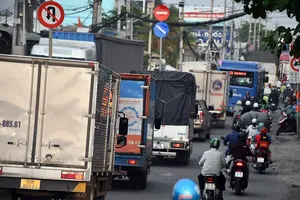
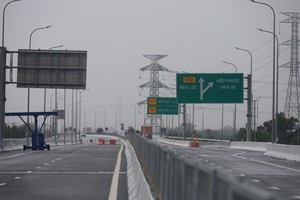
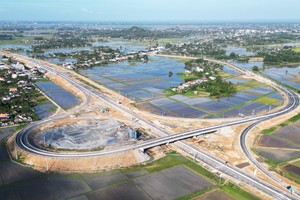
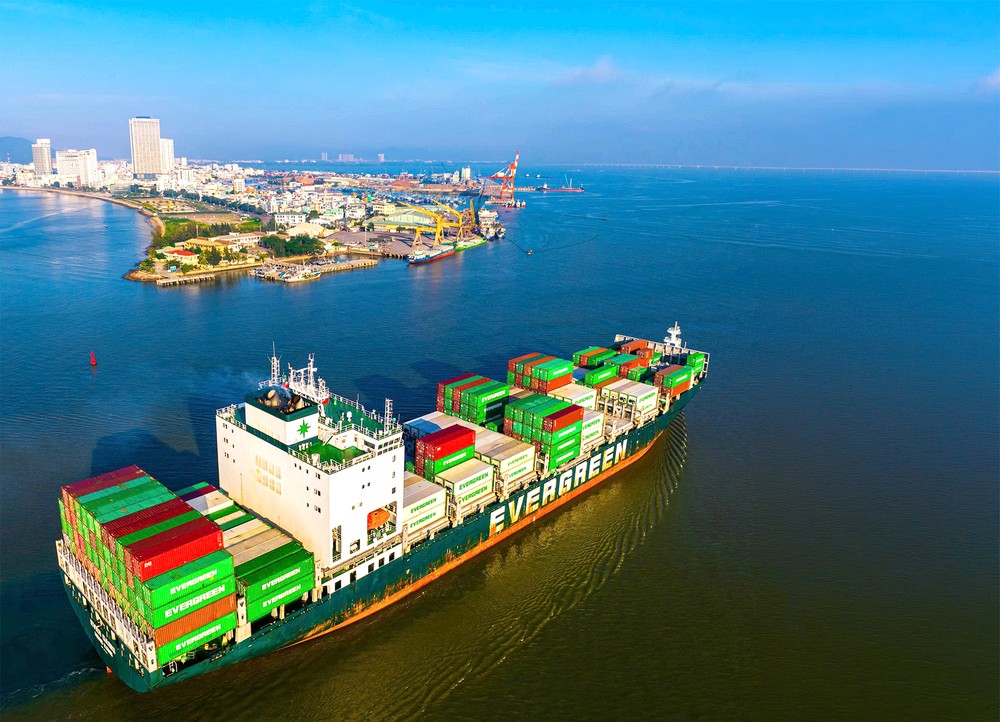
Vietnam’s seaport system continues to face significant structural and operational challenges. Inadequate connectivity remains a major bottleneck, as the absence of integrated expressway networks, dedicated rail links, and efficient inland waterway connections to key ports contributes to congestion and drives up logistics costs.
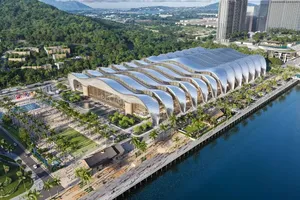
Meanwhile, sedimentation in navigation channels limits the ability of ports to accommodate larger vessels, reducing operational efficiency. The sector also struggles to enhance profitability and competitiveness due to the slow adoption of technology-driven solutions that could lower service costs. Compounding these issues, the pace of digital transformation and green port development has lagged behind regional competitors, further weakening the industry's competitive position. Additionally, the number of ports designed to serve passenger vessels remains limited.
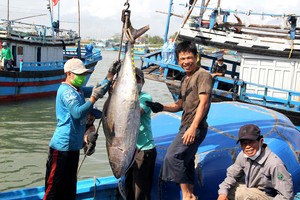
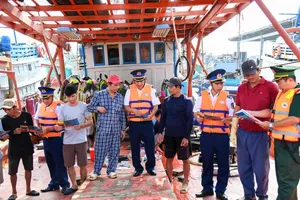
Although the Government and various ministries and agencies have taken decisive action; significantly addressing the issue of illegal, unreported, and unregulated (IUU) fishing. Vietnam has still not managed to lift the EC yellow card on its seafood exports after nearly a decade.
Meanwhile, marine conservation efforts have fallen short of established targets. As of the end of 2024, only 11 marine protected areas covering approximately 0.185 percent of Vietnam's natural marine waters had been established and were operational. This remains far from the goal of conserving 6 percent of the country's marine territory.
According to a report by the Department of Fisheries and Fisheries Surveillance from April 2026, Vietnam’s marine conservation system is planned with a strategic vision extending to 2030, comprising 27 protected areas including 11 at the national level and 16 at the provincial level.
The total designated conservation area spans 463,587 hectares equivalent to 0.463 percent of the national marine area; yet, only 215,191 hectares (approximately 0.215 percent of the marine area) have actually been implemented to date. Inadequate marine conservation and fisheries management have led to a depletion of aquatic resources, resulting in declines in both output and economic value. Furthermore, the limited application of high-tech solutions in aquaculture has kept production volumes and revenues below their potential.
Challenges facing coastal tourism development
While many locations possess immense potential for coastal tourism and resort development, the lack of spatial planning or planning that fails to incorporate functional zoning for marine and coastal areas has led to haphazard commercial exploitation of prime coastal land by private tourism and resort enterprises. This practice degrades the landscape, hinders public and tourist access, and reduces the overall efficiency of beach utilization.
Inadequate management of wastewater and waste, particularly plastic waste, in certain localities and tourism zones diminishes their appeal to visitors. Many tourism areas lack centralized collection and treatment systems; consequently, untreated wastewater from tourism and resort facilities flows directly into the sea, causing pollution and negatively impacting the tourism sector.
In many regions, coastal ecosystems have suffered severe destruction and degradation, undermining ecotourism efforts. Tourism offerings remain monotonous and lack effective strategies to attract visitors; few localities have successfully leveraged marine ecosystem conservation to enhance their tourism products.
Awareness gaps, infrastructure shortfalls hinder marine economy growth
Awareness regarding the integrated management of resources and the protection of the marine and island environment remains limited among the general public and even among government officials. This hinders management effectiveness and fails to adequately support the protection, conservation, and rational, efficient exploitation of resources, particularly ecosystems and biodiversity, or the effective protection of the marine environment.
Although the national marine spatial plan has been issued, many coastal provinces and cities have yet to incorporate it into their provincial planning; consequently, marine space is not being managed or developed optimally to foster the marine economy.
Offshore wind power is a crucial form of renewable energy in Vietnam’s marine areas that requires rational management and exploitation. However, due to the highly variable nature of offshore wind power over time, its exploitation necessitates effective storage and transmission infrastructure. Currently, Vietnam's power sector infrastructure for storage and transmission falls short of these requirements.
Scientific research, technology development, and digital transformation in the marine and island sector require substantial investment in both infrastructure and human resources. Yet, investment in these areas has been quite limited in recent years. These fields along with many other marine science, technology, and economic sectors demand highly qualified personnel; however, actual income levels are very low—often below the national average—and job opportunities are scarce, making it difficult to attract suitable candidates.