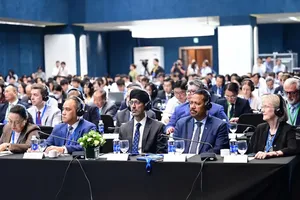
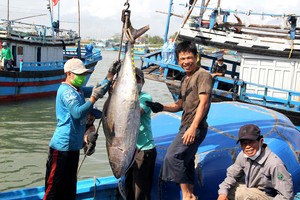
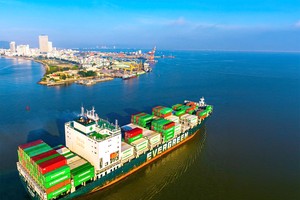
"There were times when officials would go all the way to Da Nang Airport, holding up 'Welcome to Dung Quat' signs to greet individual investors," recounted Head Le Kim Son of the Dung Quat Economic Zone and Quang Ngai Industrial Parks Authority, describing the efforts made by previous generations of officials to attract investment.
Anchor firms needed to pave the way for maritime expansion
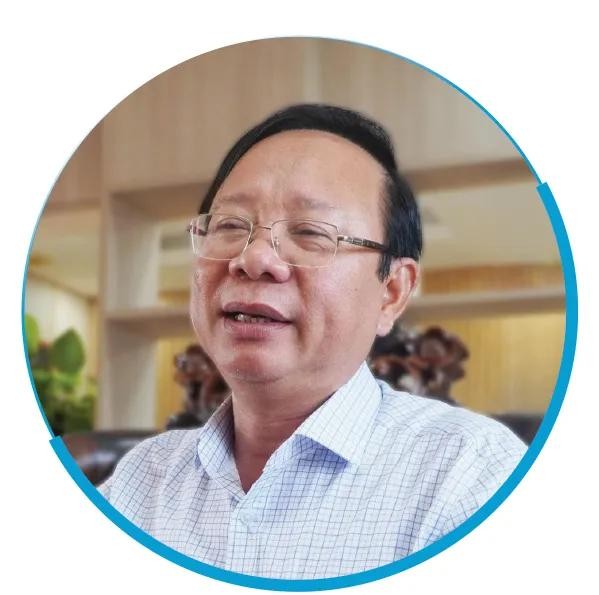
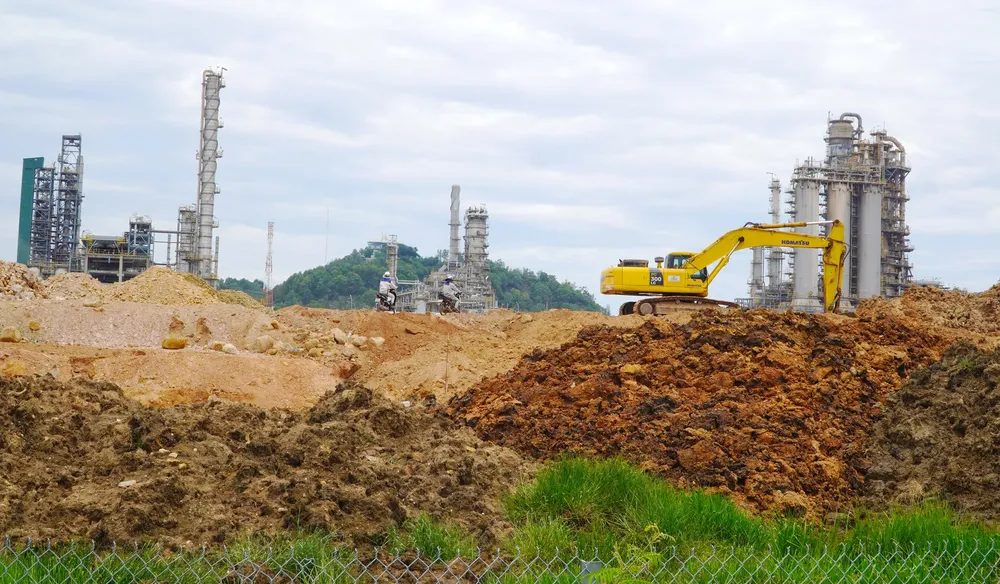
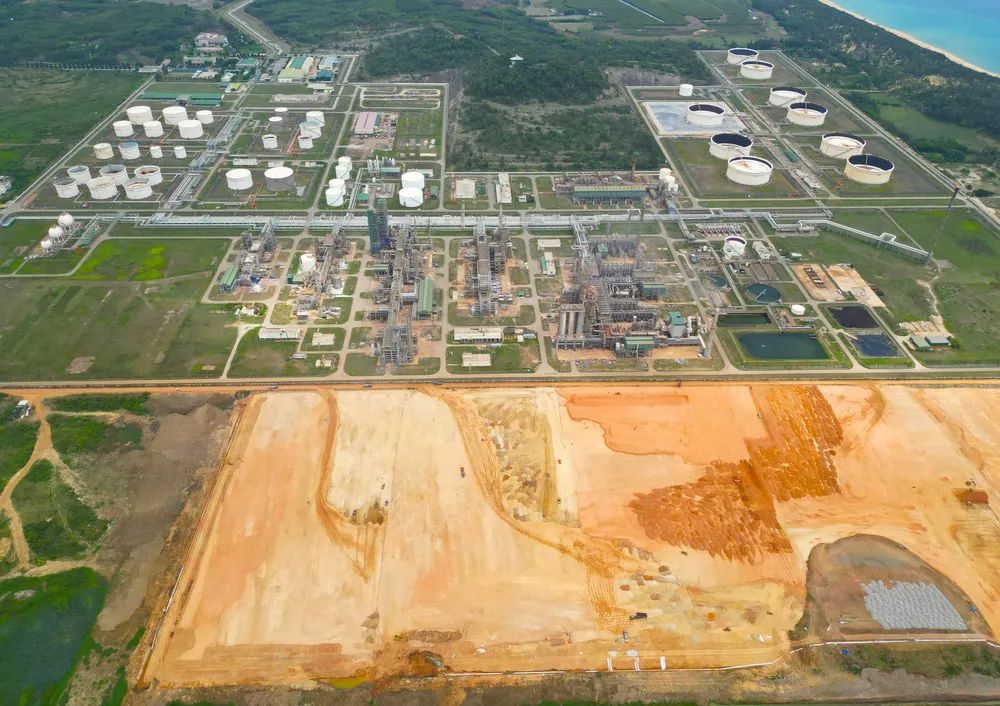
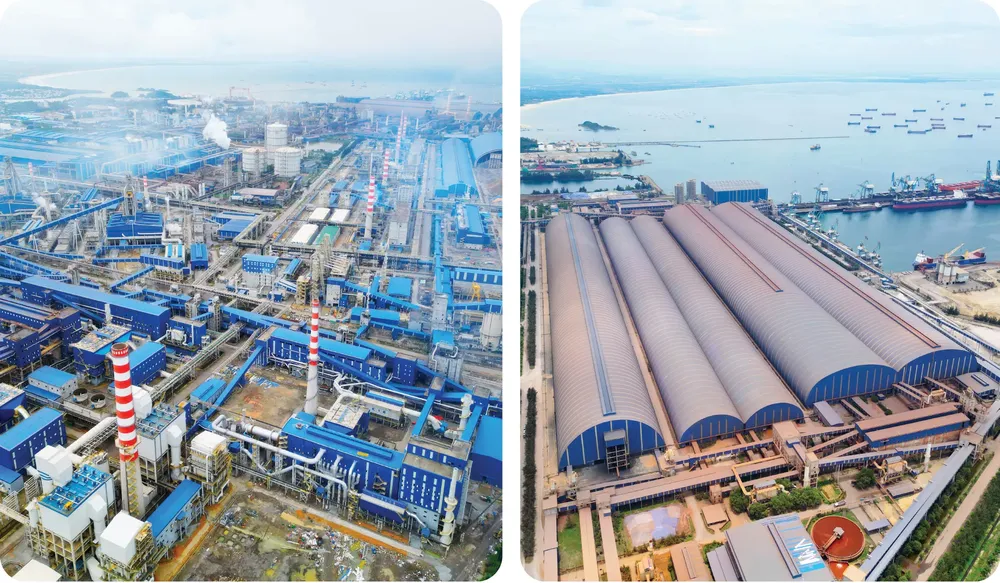
Head Le Kim Son of the Dung Quat Economic Zone and Quang Ngai Industrial Parks Authority noted that Dung Quat benefits from the late Prime Minister Vo Van Kiet’s decision to locate the country's first oil refinery there, as well as its natural deep-water port. The strategy involves selecting "anchor" enterprises to attract satellite businesses, share technical infrastructure, conserve raw materials and fuel, and optimize land use.
Specifically, the Dung Quat Oil Refinery plans an additional investment of US$1.5 billion bringing total capital to approximately $3.5 billion with the aim of meeting 50 percent of domestic demand. Alongside the development of the oil, gas, and gas-fired power industries, the Blue Whale (Ca Voi Xanh) gas field will serve as a crucial supply source for the national petrochemical and energy hub at Dung Quat.
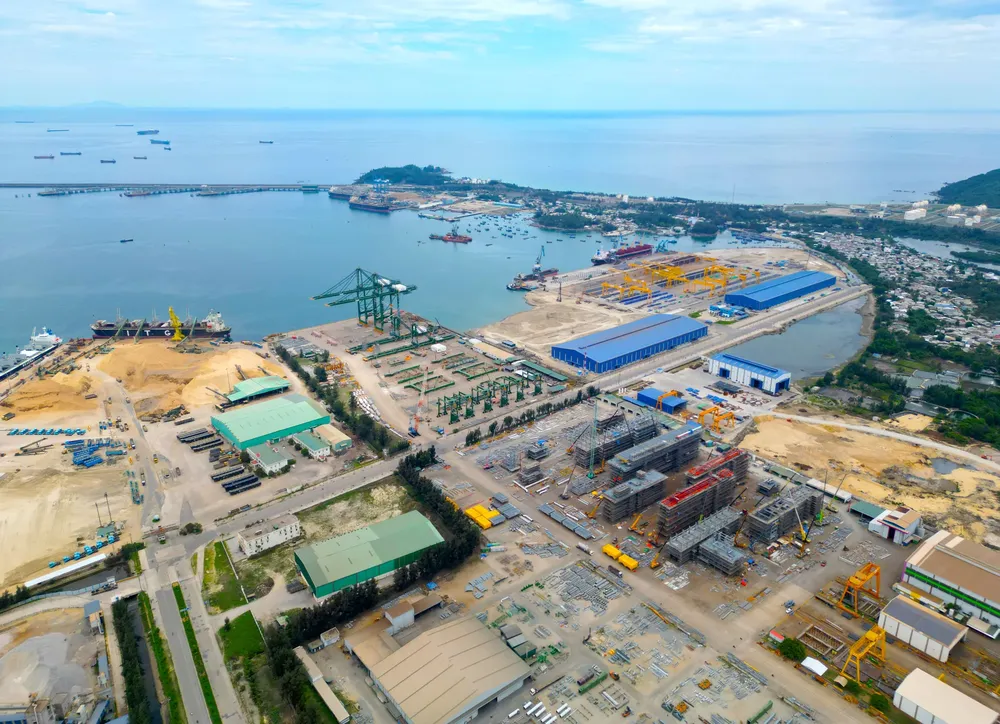
In the steel sector, Hoa Phat has invested around $8 billion in Quang Ngai and is currently implementing projects to produce high-speed rail steel, liquefied gas tank steel, and shipbuilding steel, with a combined capacity of approximately 900,000 tons per year. Trial operations are expected to begin in late 2026 or the first quarter of 2027. Proposals have also been made to develop the shipbuilding industry in Dung Quat; HD Hyundai has signed a memorandum of understanding to study the construction of a shipyard adjacent to the economic zone, and plans are in place to upgrade the Dung Quat Shipyard into a national-scale shipbuilding hub.
Regarding infrastructure, Head Le Kim Son of the Dung Quat Economic Zone and Quang Ngai Industrial Parks Authority emphasized the need to integrate Dung Quat into an inter-regional logistics chain. In addition to road and coastal routes, the connection between Dung Quat deep-water port and Chu Lai Airport—which is planned to meet 4E standards—along with the planned North-South high-speed railway featuring a freight station in the Chu Lai Economic Zone, creates favorable conditions for strengthening links with Dung Quat. A location possessing natural advantages and aligning with national investment priorities should be selected as the core port to prevent localities from racing to build deep-water ports, which would scatter resources.
The Head of the Dung Quat Economic Zone and Quang Ngai Industrial Parks Authority proposed focusing investment on major hubs and connecting neighboring localities to establish shared logistics chains. For instance, the logistics infrastructure at the Chu Lai port area, invested in by Thaco Group, already boasts well-integrated connectivity. Leveraging warehousing, port, and logistics services to serve various enterprises and localities will help maximize the utility of existing infrastructure.
Meanwhile, the Nhon Hoi Economic Zone is also shifting its investment attraction strategy. Nguyen Thanh Nguyen, Deputy Head of the Gia Lai Economic Zone Authority, stated that Nhon Hoi has attracted 148 projects with a total registered capital of nearly VND218 trillion.
The zone is pivoting from attracting individual projects to attracting investments based on industrial chains and clusters, fostering satellite enterprises, and increasing the participation of local businesses in supply chains. Priority sectors include high-tech industries, deep processing of agricultural and forestry products, supporting industries, and high-value-added marine economic sectors.
Local residents must participate in the production chain
Experiences from Dung Quat and Nhon Hoi demonstrate that human resources and local livelihoods must be factored in right from the project preparation stage. According to Mr. Le Kim Son, the development of the Dung Quat Economic Zone required prioritizing residents' well-being, effectively managing site clearance, and creating opportunities for them to participate in production activities.
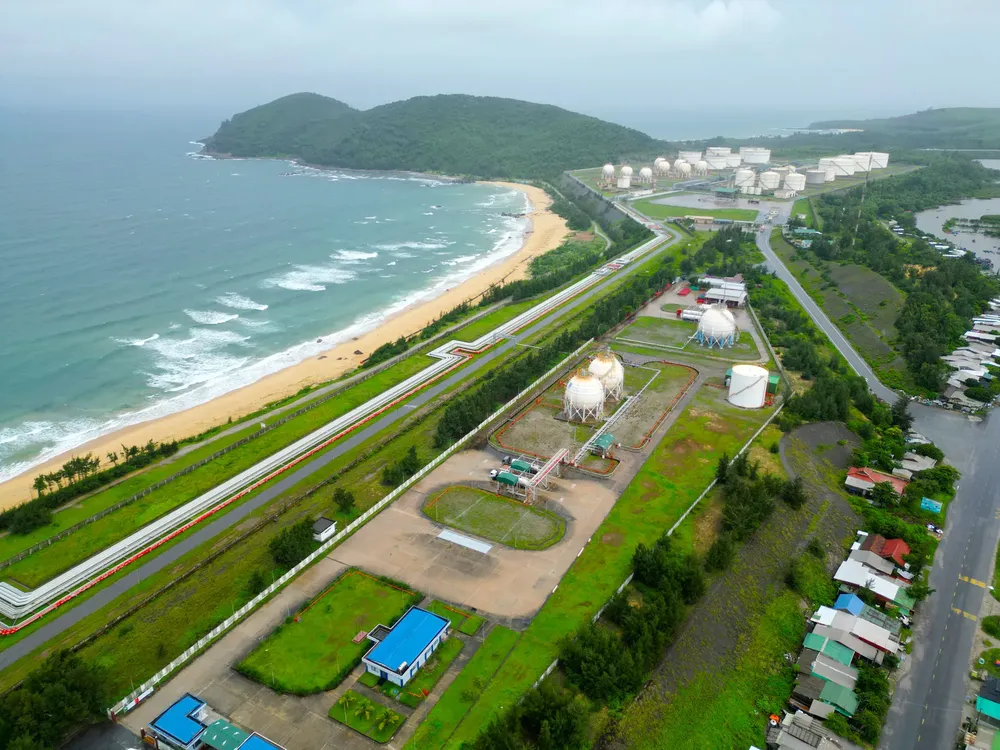
In Van Tuong Commune (Quang Ngai), residents previously relied mainly on fishing or farming on water-scarce, impoverished sandy soil.
Nguyen Minh Hoang, Vice Chairman of the Commune People's Committee, stated that the current per capita income exceeds VND60 million per year, with a projected rise to VND80 million by 2030. Projects in the area have attracted a population of 24,000 to 40,000 people for living and working, thereby creating stable employment for locals. However, Mr. Le Kim Son noted that major corporations and enterprises in Dung Quat often source their core, highly skilled personnel from Hanoi and Ho Chi Minh City. Consequently, Quang Ngai aims to strengthen connections between businesses and major universities or regional training institutions to commission specific workforce training programs.
In Gia Lai, Nguyen Thanh Nguyen, Deputy Head of the Gia Lai Economic Zone Authority, stated that the Management Board would collaborate with enterprises and training institutions to upgrade skills and support vocational transitions for local workers, particularly in sectors such as tourism, logistics, transportation, and marine economic services.
Through partnerships with tourism companies, residents receive support regarding market access, promotion, product development, and tour integration, while also directly providing services. The goal is to enable residents to participate directly in the development of the Nhon Hoi Economic Zone, thereby raising their incomes and increasing the value generated within the locality.
According to Tran Van Phuc, Secretary of the Party Committee of Phu My Dong Commune (Gia Lai Province), local authorities are prioritizing the connection between residents and businesses during the development of the Phu My Industrial Park and the Phu My deep-water port. In the immediate term, residents are encouraged to provide services such as catering, accommodation, transportation, food supply, and industrial cleaning to workers and experts.
Oil and gas lays foundation for marine industrial development
Leaders of the Dung Quat Refinery, operated by Binh Son Refining and Petrochemical JSC (BSR), said Vietnam is well positioned to become a regional hub for oil, gas and energy transshipment in Southeast Asia. Seizing this opportunity will require the development of offshore oil and gas logistics, expanded international cooperation, and investment in emissions-reduction technologies to meet environmental standards.
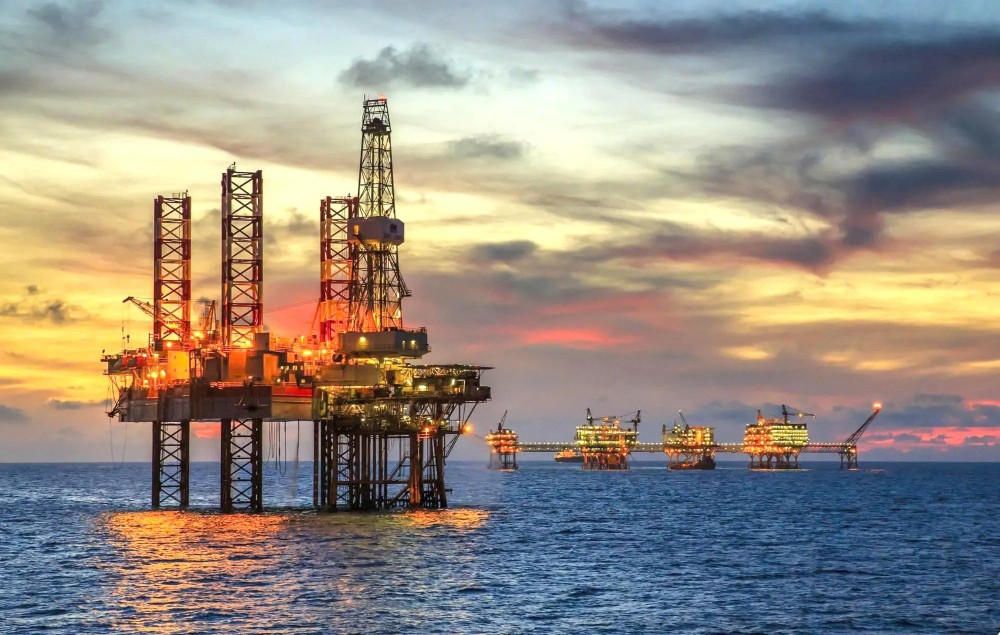
Operating since February 2009, the Dung Quat Refinery currently supplies about 30 percent of Vietnam's domestic petroleum demand. Its operations have also helped develop a pool of Vietnamese engineers and technical personnel with experience in managing, operating and maintaining large-scale refining and petrochemical facilities.
In the first seven months of 2026, the refinery produced 4.76 million tons of products and sold 4.74 million tons.
Under the orientations set by the Politburo, the Government and Quang Ngai Province, a National Refining, Petrochemical and Energy Center will be established in the Dung Quat Economic Zone, with the refinery serving as its core. The center aims to develop value chains spanning refining and petrochemicals, chemicals, liquefied natural gas (LNG), electricity and new forms of energy.
BSR leaders said capacity upgrades and expansion should go hand in hand with digital transformation, automation, the adoption of advanced technologies and emissions reductions.
In the South region, the Ba Ria - Vung Tau area, now part of Ho Chi Minh City, has become a strategic base for the oil and gas industry since the first barrel of crude oil was extracted in 1986. Vietsovpetro has contributed to the development of an oil and gas industrial hub, driving the growth of supporting industries, technical services and maritime transport.
From 2005 to 2024, the company expanded its oil and gas technical services into external markets and participated in numerous key national projects, generating total revenue of nearly US$5 billion.
In Ca Mau, a 325-kilometer gas pipeline carrying gas from offshore fields to the mainland was completed in 2007, laying the foundation for the gas-power-fertilizer complex. From the start of operations through July 2025, the complex supplied 29.55 billion cubic meters of gas, 118.96 billion kWh of electricity and 11.60 million tons of fertilizer, contributing to national energy and food security.
The administration in Khanh Hoa approved the first component of the Ba Ngoi upstream petroleum storage and aviation fuel project, including its land reclamation component, in September 2025. The project has a total investment of more than VND150 billion and a storage capacity of about 15,000 cubic meters. It is intended to supply aviation fuel to Cam Ranh Airport and the South-Central region.
The province is also seeking investment in the Nam Van Phong Liquefied Gas Storage Port, covering 100 hectares, with estimated investment starting at VND2.3 trillion.