Resolution 20-NQ/TW identifies marine aquaculture as a breakthrough direction, shifting strongly toward industrial, high-tech, and offshore farming. To develop, farmers require appropriate breeding stock, technology, markets, and stable rights to use sea areas.
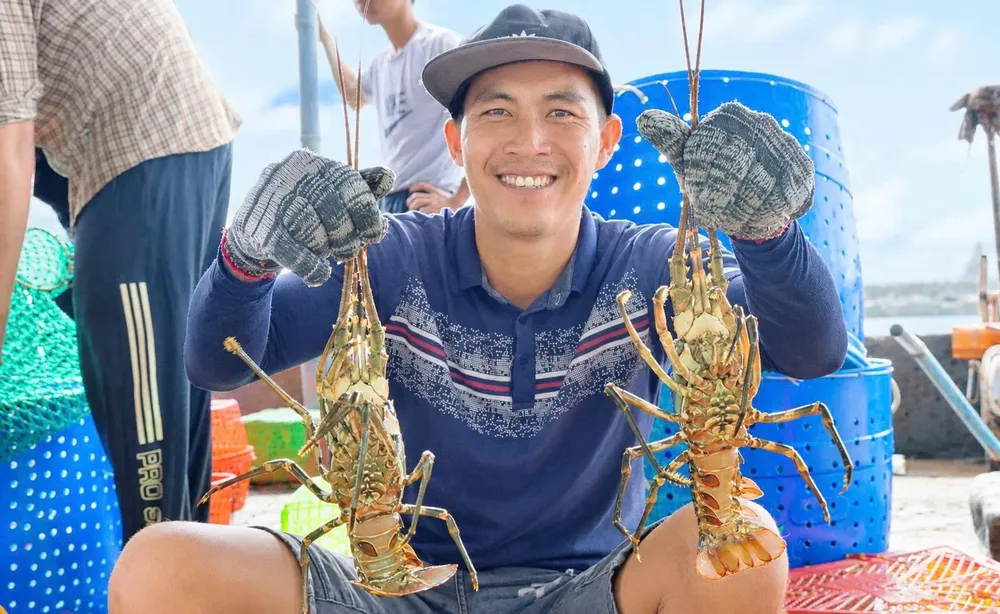
Le Huu Tinh, Deputy Director of Dac Loc Seafood Company in Dak Lak Province, noted that the core factors when reaching offshore for marine aquaculture are breeding stock and technology. The stock must adapt well, grow fast, meet market demand, and limit diseases. Yellowtail pompano and cobia were selected by the enterprise as two strategic species. To adapt to offshore waves and winds, the enterprise chose high-density polyethylene (HDPE) cages while applying biotechnology, cage data digitization, and operating equipment. "By 2045, the enterprise aims for a commercial industrial marine aquaculture model producing large-scale commodities to form 'large sample fields at sea' to fully supply raw materials for processing and direct export," Deputy Director Le Huu Tinh stated.
In the short term, the enterprise sets a target to reach 1,000 metric tons of commercial fish per year by 2030, complete origin traceability from production areas to dining tables, and expand export markets. According to the Deputy Director, delayed planning implementation leaves enterprises without a clear basis to be assigned water surfaces, define farming areas, and make long-term investments. Therefore, planning needs to be concrete, especially broodstock farming areas, to proactively secure quality breeding sources.
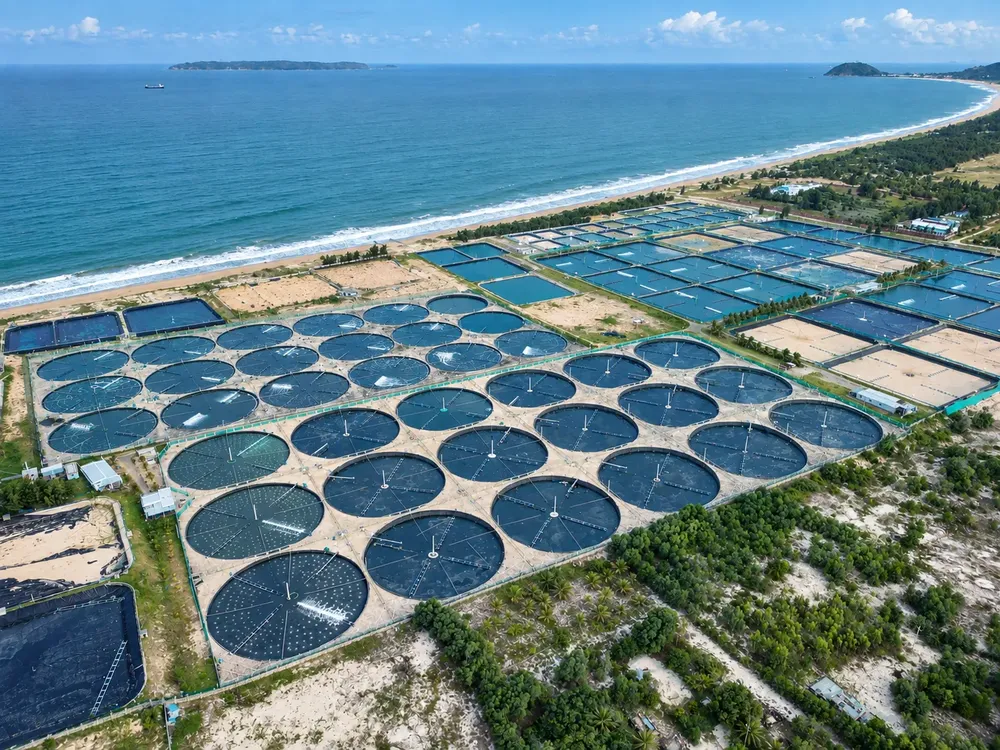
In addition to Dak Lak Province, many localities are also building "large sample fields at sea." In Quang Ninh, marine aquaculture is shifting from small-scale to industrial scale. Quang Ninh allocated more than 45,000 hectares of sea surface to integrate into the Quang Ninh Master Plan for 2021-2030 with a vision to 2050, while proposing an additional nearly 95,000 hectares, raising the total planned marine aquaculture area to nearly 140,000 hectares. In Van Don, Cuong Hoa Cooperative switched from wooden cages to HDPE cages to raise yellowtail pompano.
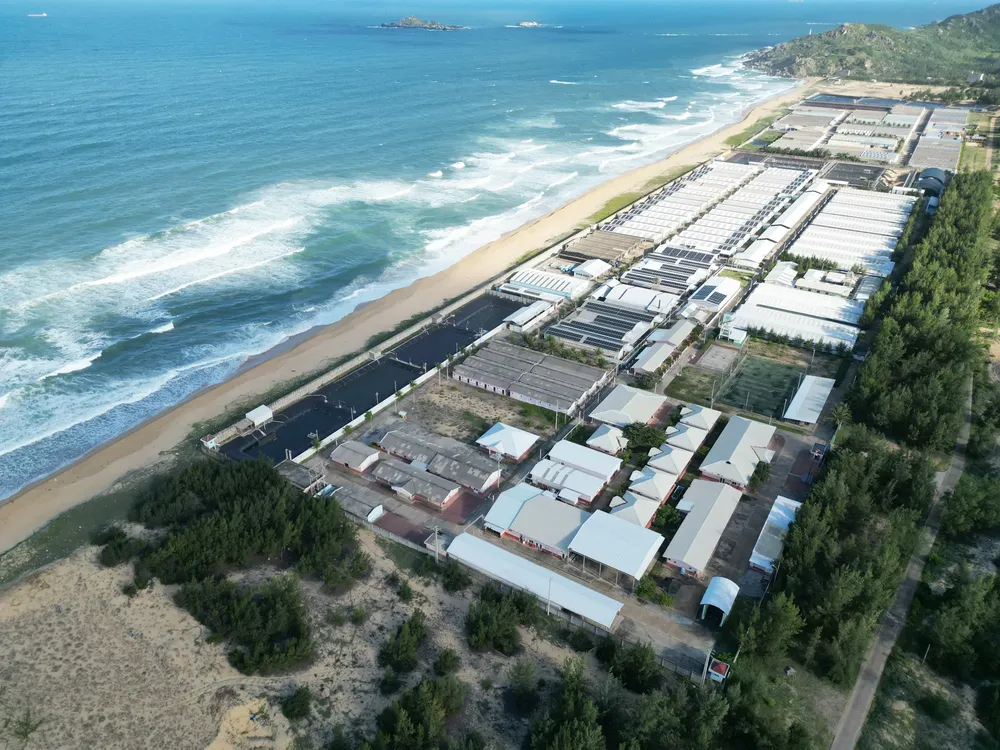
According to Nguyen Van Cuong, director of the cooperative, after 10 months of stocking, yield reached over 19 kg/m³, profits increased by 13 percent compared to traditional methods, while pollution and disease were reduced. Also in Van Don, STP Group Joint Stock Company collaborated with 21 cooperatives to build a closed chain from farming areas and preliminary processing to export. The enterprise aims to apply improved HDPE cages, renewable energy, and a circular economy to reduce emissions while integrating experiential tourism. STP Group proposed preferential credit dedicated to high-tech marine aquaculture, shortening licensing and environmental procedures, and building national technical standards and regulations.
Hai Phong City also aims to reorganize production toward concentration with over 23,900 hectares of water surface. Among this, Tien Lang Ward has nearly 1,900 hectares for mollusk farming; brackish water areas focus on key species such as giant tiger prawn and whiteleg shrimp. According to the marine aquaculture development plan through 2030 with a vision to 2045, the city will stabilize cage fish farming in Cat Hai, developing industrial offshore aquaculture in Cat Ba - Bach Long Vi tied to protecting sea and island sovereignty. The city requested central support to invest in coastal and offshore aquaculture infrastructure to convert technology, scaling up production size and value.
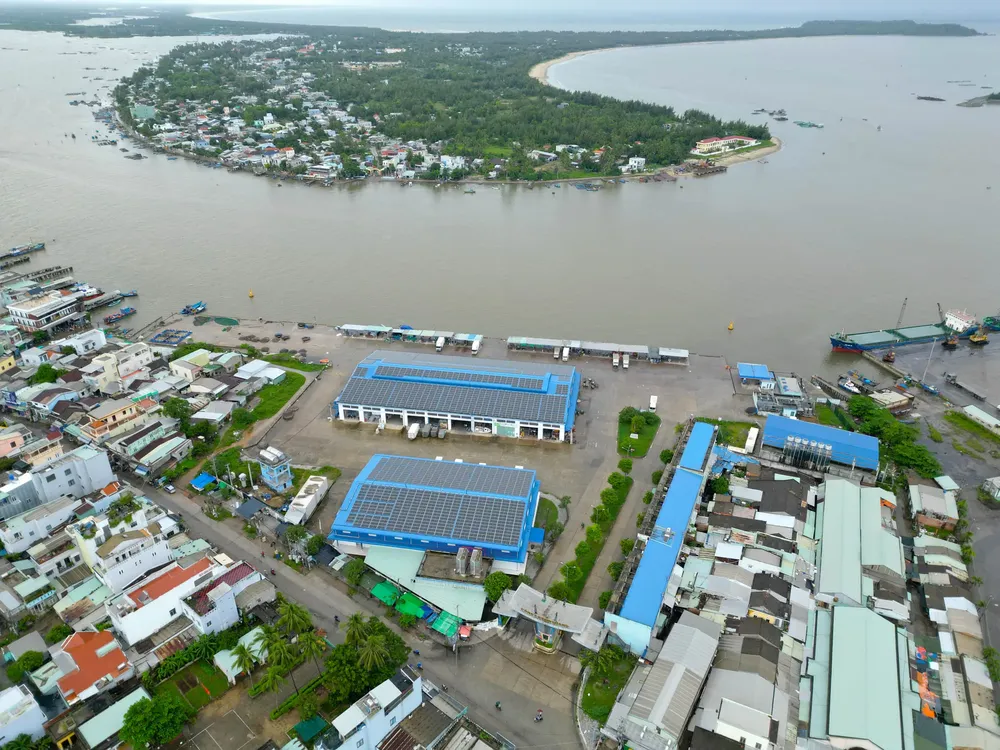
Chairman Nguyen Huu Dung of the Vietnam Marine Aquaculture Association assessed that farmers must be granted long-term sea area usage rights along with a clear system of standards and regulations to confidently make large investments and apply modern technology. The country currently has nearly 10,000 marine aquaculture facilities, but they are mainly concentrated within 3 nautical miles, largely using traditional technology. Several Recirculating Aquaculture System (RAS), Integrated Multi-Trophic Aquaculture (IMTA), HDPE cage, and offshore farming projects beyond 3 nautical miles have shown positive results.
Tran Dinh Luan, Director General of the Department of Fisheries and Fisheries Surveillance, stated that marine aquaculture has made progress, but production organization remains weak. An important link being drafted and added is the Vietnamese Standard dedicated to industrial marine aquaculture facilities, drafted by the Department of Fisheries and Fisheries Surveillance, which recently gathered feedback from experts in late June 2026. The standard is expected to create a unified framework for planning, design, construction, operation, and management of large-scale marine farms, thereby attracting investment, developing insurance, and managing risk across the production chain.
According to Phung Duc Tien, former Deputy Minister of Agriculture and Environment, developing industrial marine aquaculture is a pillar in the sustainable marine economic development strategy aimed at reducing coastal exploitation pressure, increasing export value, and elevating the status of Vietnamese seafood. Standards and regulations need to be issued soon to attract capable and technologically advanced enterprises to move offshore.
Modern supply chains going to be built to boost farmers' incomes
Vice Chairman Ho Huy Thanh of the Ha Tinh Provincial People's Committee noted that the locality currently faces challenges such as fragmented production and limited investment in research and development (R&D) and deep processing.
Although eleven enterprises have invested in shrimp farming, a complete value chain linking production to consumption has yet to be established. Consequently, the province is shifting toward high-tech, climate-resilient coastal farming models such as intensive shrimp and sea crab farming using Recirculating Aquaculture Systems (RAS), lined circular tanks, covered ponds, and multi-stage (2–3 phase) shrimp farming.
As a first step, the province will deploy digital platforms and applications utilizing AI and the Internet of Things (IoT) to monitor farming environments, forecast weather, and provide early disease warnings. It will also attract enterprises that apply biotechnology to develop disease-free, climate-resilient breeds.
Priority is being placed on attracting major corporations to invest in centralized farming zones and deep-processing plants to create value-added products, moving away from the reliance on selling and exporting raw commodities. Support will also be provided for the application of Blockchain and IoT technologies in production management and traceability to meet international market standards.
Ha Tinh is exploring sandbox mechanisms to allow enterprises to pilot new technologies and business models in marine farming and processing, while also supporting the adoption of ISO and HACCP standards and the development of brands and intellectual property.
Concurrently, the province is focusing on upgrading infrastructure in farming zones including transportation, electricity, water supply and drainage, and waste treatment and strengthening linkages between enterprises, cooperatives, and farmers to establish large-scale raw material zones integrated with processing facilities and markets. The goal is to establish a high-tech seafood value chain—encompassing farming, processing, and consumption—thereby boosting productivity, export value, and incomes for the local population.