The MERIT-WB11 project has a total estimated investment of US$119.35 million, equivalent to approximately VND2.998 trillion. Of this amount, US$75.45 million is expected to come from loans, US$8 million from non-refundable grants, and US$35.9 million from counterpart funding.
The proposed project will focus on three key areas that are particularly vulnerable to climate change.
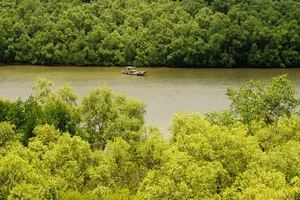
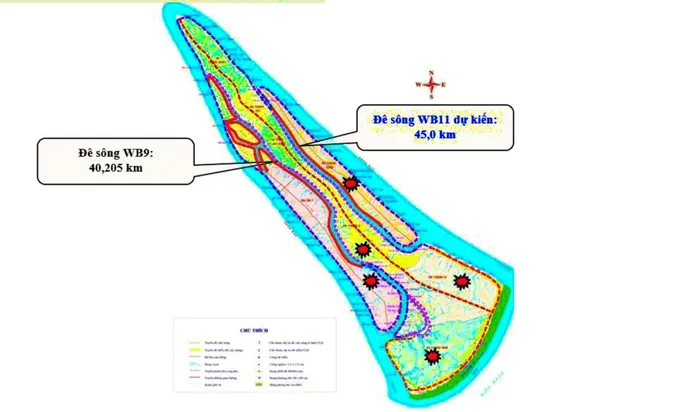
Specifically, it will develop flood-control infrastructure and stabilize agricultural and aquaculture production in low-lying areas along the Quan Lo–Phung Hiep Canal; build facilities to control acid sulfate soil runoff and saltwater intrusion during the dry season, as well as flooding during the rainy season, in the Nuoc Duc–Nuoc Trong river area; and construct a 45-kilometer closed embankment system on Cu Lao Dung to protect 9,939 hectares of agricultural and aquaculture production land.
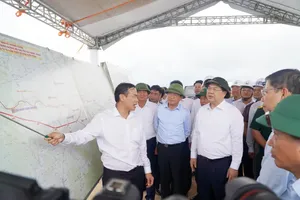
Christophe Pierre Crepin, a WB representative, pledged that the bank would continue supporting Can Tho over the next six to eight years, providing not only financial assistance but also technical support, knowledge sharing, and professional advice.
The WB is strengthening its team of on-the-ground experts and mobilizing additional regional expertise. It is also seeking further grant funding to help the city implement innovative investment models, improve public investment efficiency, strengthen regional connectivity, and attract private investment.
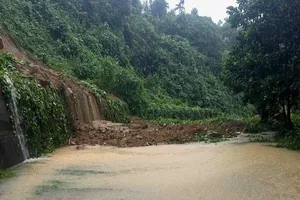
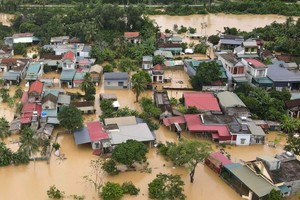
At the meeting, Vice Chairman of the Can Tho City People's Committee, Tran Chi Hung, said climate change, flooding, saltwater intrusion, and riverbank erosion had directly affected residents' daily lives, production activities, and livelihoods in recent years.
Can Tho is currently expediting the completion of project documentation and administrative procedures to facilitate implementation according to schedule. The city has instructed relevant departments and agencies to finalize the procedures for submitting the proposed loan and grant financing package to the Government for approval.