The Khmer community celebrates the traditional Chol Chnam Thmay New Year over three days (or four days in leap years), featuring a series of rituals deeply rooted in Theravada Buddhism. Among them, the final day is considered the most important, marked by the Buddha bathing ceremony and the ritual of bathing monks.
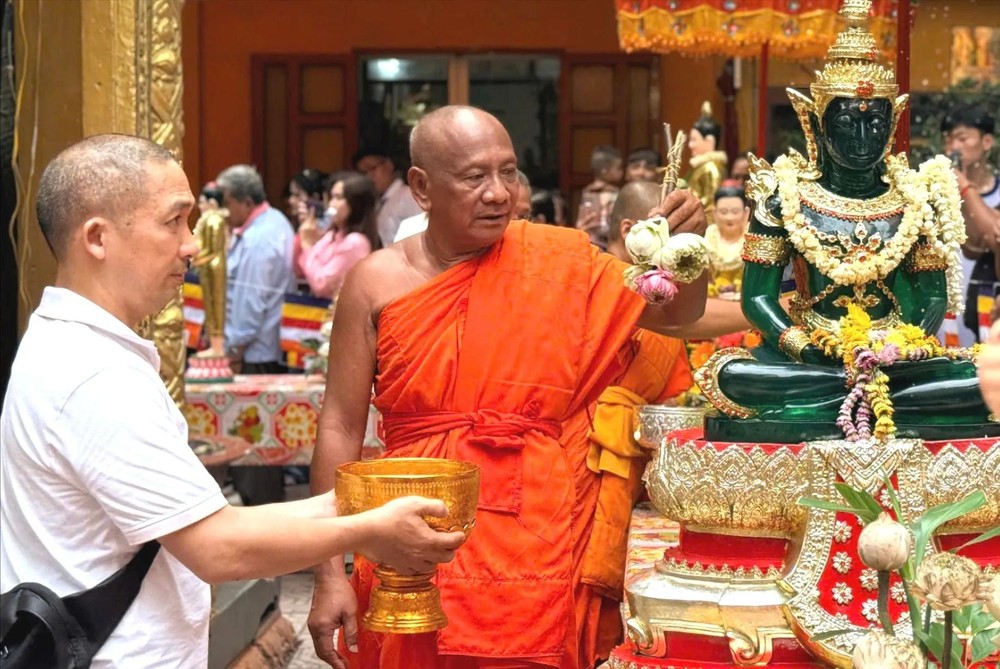
Most Venerable Danh Lung, the abbot of Candaransi Pagoda, presided over the Buddha bathing ritual using scented water prepared from fresh flowers and various herbs such as lemongrass and pomelo leaves.
According to Most Venerable Danh Lung, sprinkling scented water over the Buddha statue not only expresses profound reverence but also carries a meaningful spiritual significance, symbolically cleansing worries and troubles of the past year in order to embrace goodness and virtue. It also conveys hopes for a new year of happiness, smooth work, and favorable weather conditions.
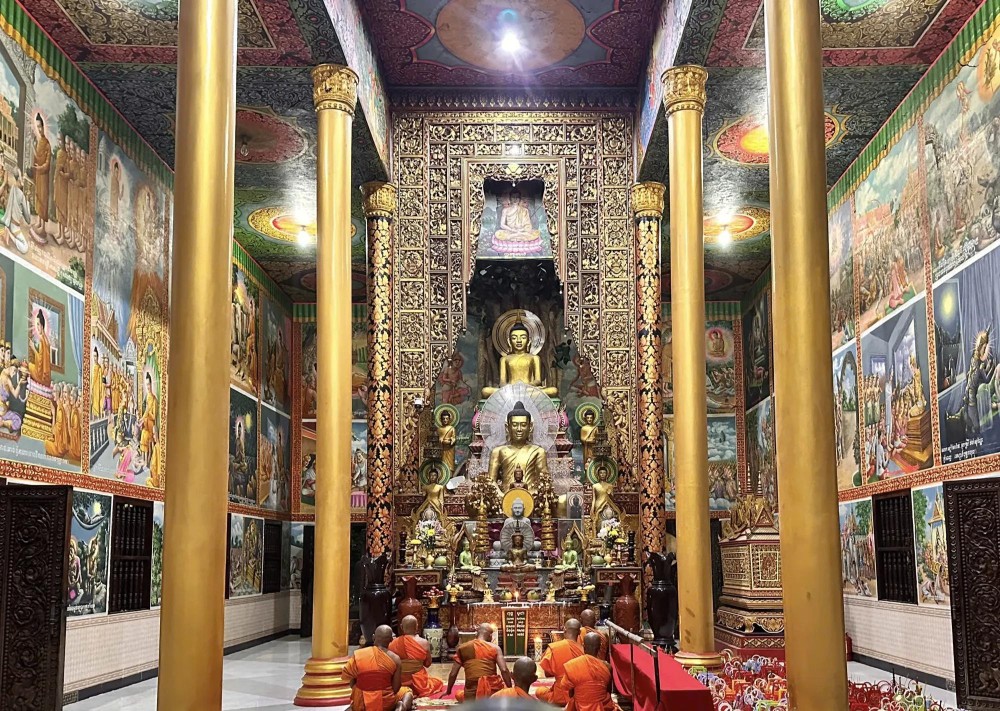
Following the Buddha bathing ceremony, devotees performed the ritual of bathing the monks, using scented water to wash the abbot’s hands and feet as a gesture of respect and prayers for health and peace. In response to the devotees’ sincerity, the monks extended their blessings of good fortune to everyone at the beginning of the new year.
According to Most Venerable Danh Lung, the traditional Chol Chnam Thmay New Year has become a cultural highlight and a diverse space for cultural exchange, attracting not only the Khmer community but also Kinh, Hoa, and Cham people to participate. The event helps promote a spirit of solidarity, break down language barriers, and strengthen bonds among the ethnic communities living together in the city.
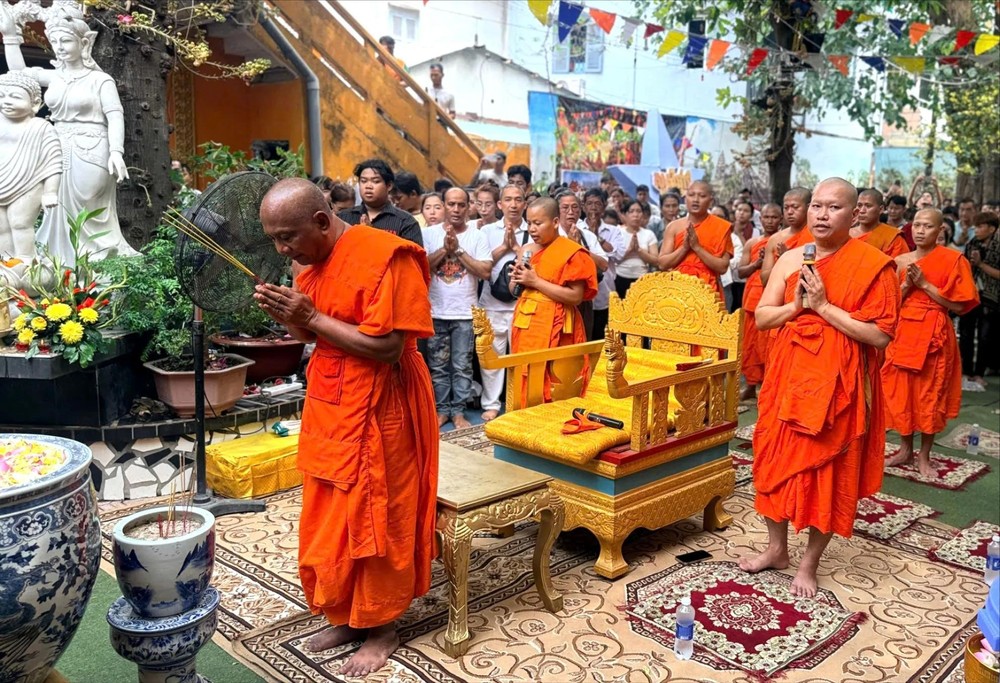
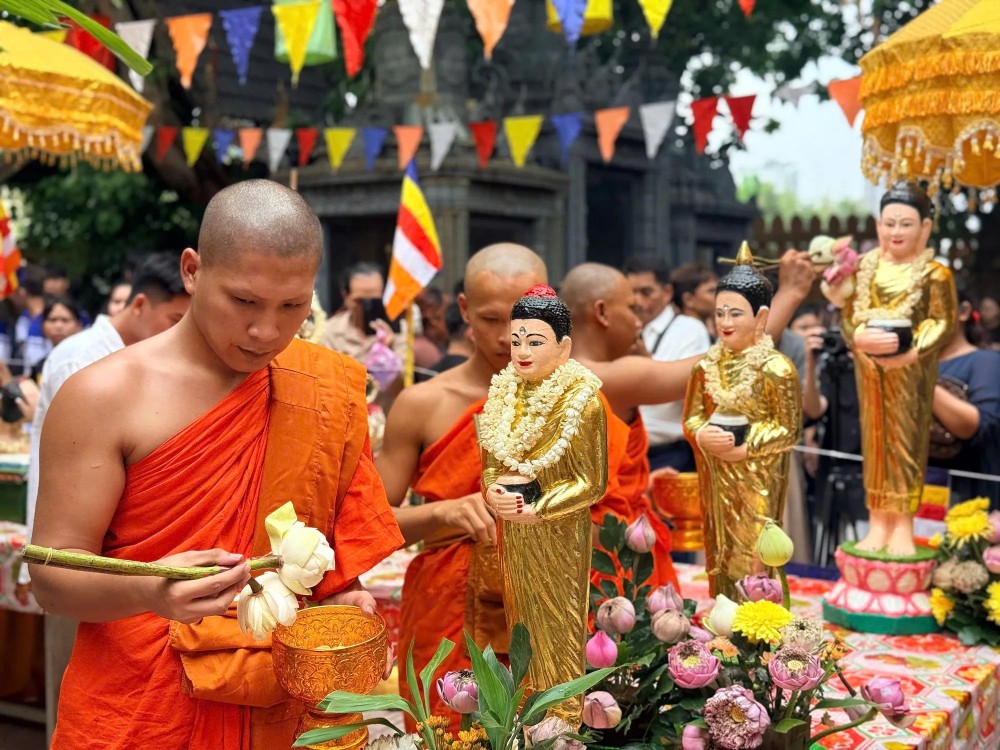
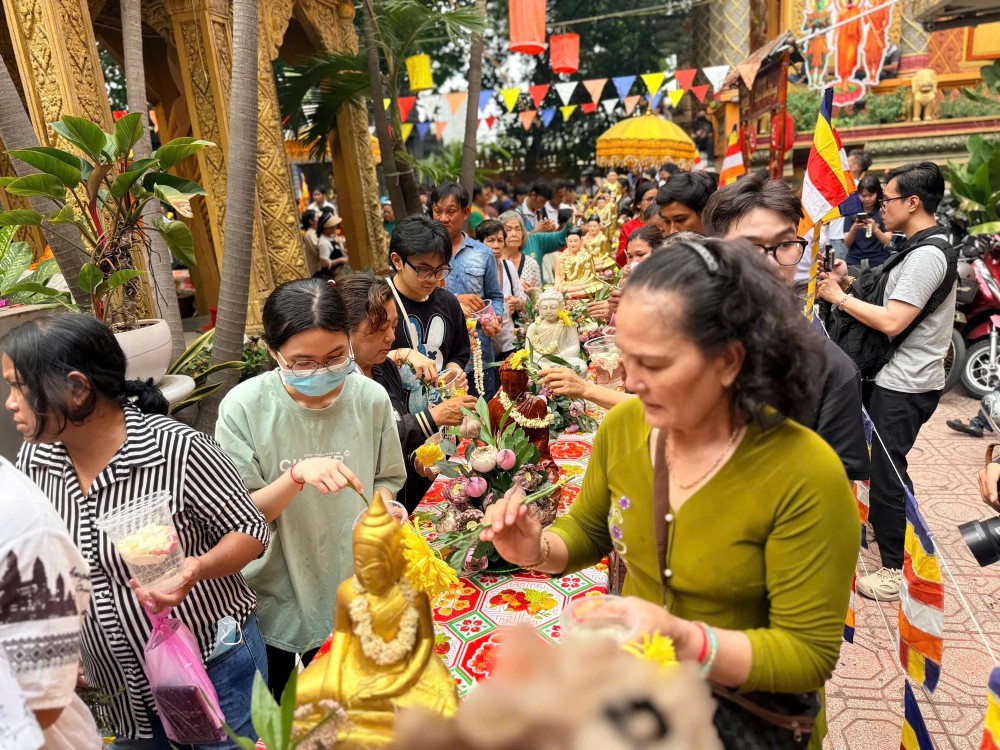
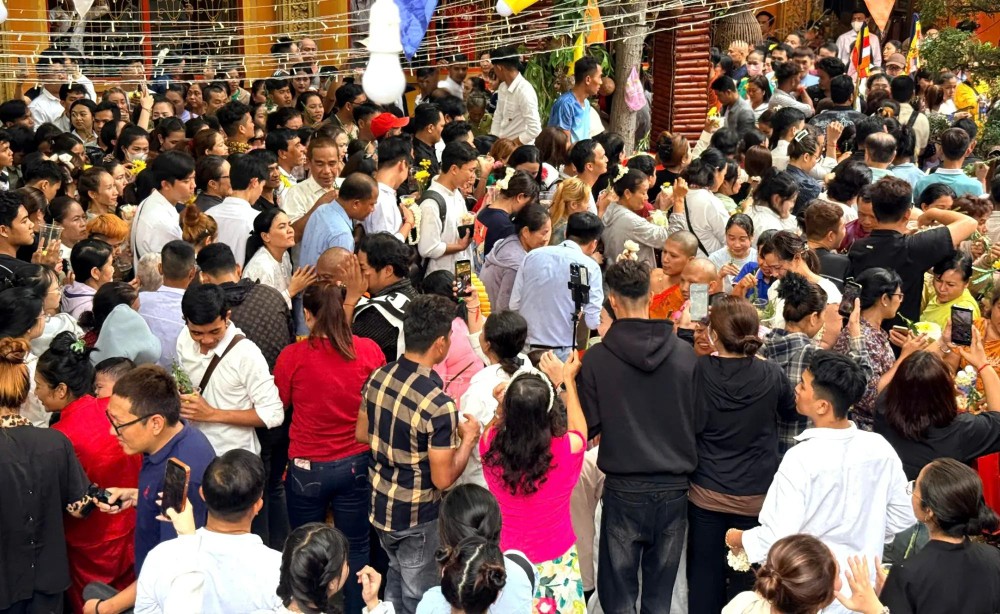
Also on April 16, at Pisesaram Pagoda in Binh Phu Commune, Vinh Long Province, a large number of Khmer people gathered to attend the Buddha bathing ceremony.
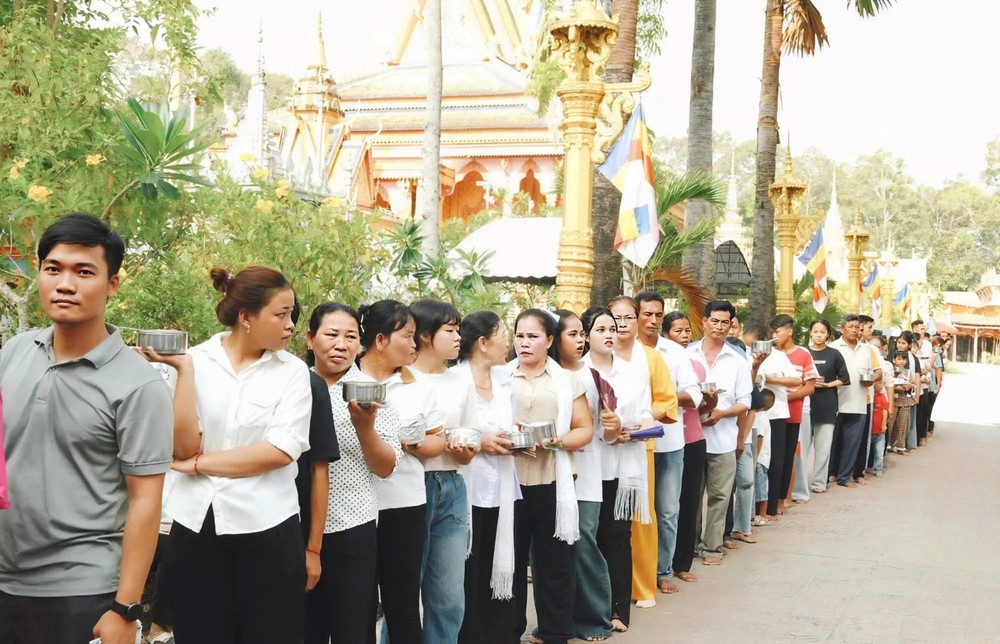
At Pisesaram Pagoda, lines of people in traditional attire, carrying offerings, fresh flowers, and clean water, respectfully entered the main hall.
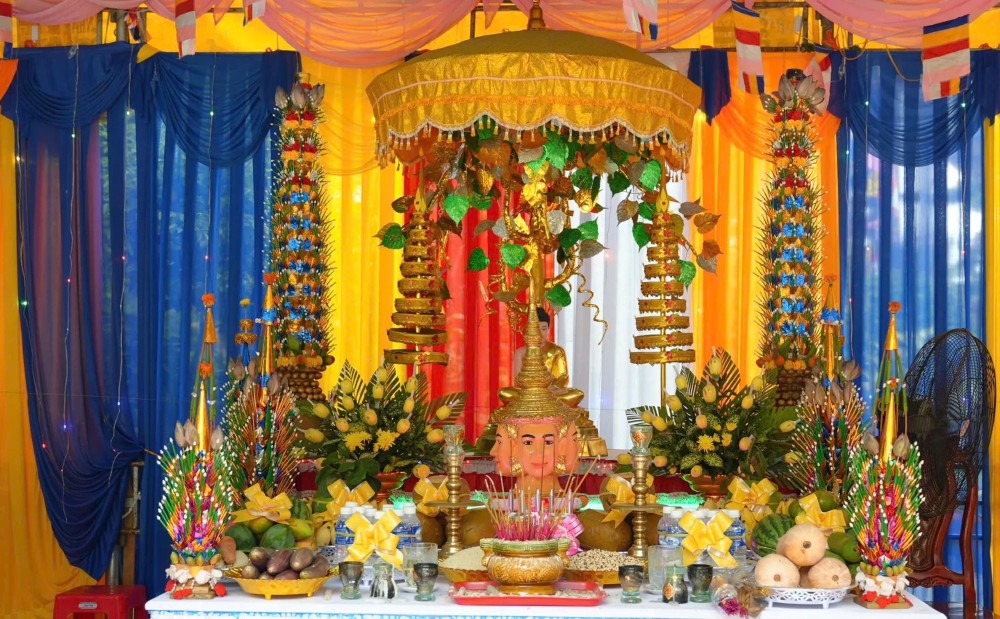
Inside the sanctuary, the Buddha statue was placed in a solemn position, surrounded by floral decorations and offerings. Worshippers took turns performing the Buddha bathing ritual by gently pouring scented water over the statue. The pure droplets symbolized purification and the washing away of misfortunes from the past year, while also conveying wishes for a new year of peace and favorable weather conditions.
Beyond its spiritual significance, the ritual is also closely connected to agricultural life. For the Khmer community, performing the Buddha bathing ceremony in the final days of the New Year is a way of praying for the early arrival of the rainy season, driving away the intense heat of the dry season, and bringing fertility to the fields. As such, each gesture in the ritual is carried out with solemnity yet intimacy, reflecting the harmony between religious belief and everyday life.
Concluding the three-day celebration, the Buddha bathing ceremony at Pisesaram Pagoda not only marks the end of the Chol Chnam Thmay New Year but also preserves the distinctive cultural values of the Khmer community in Vinh Long, contributing to the rich cultural tapestry of Southern Vietnam.