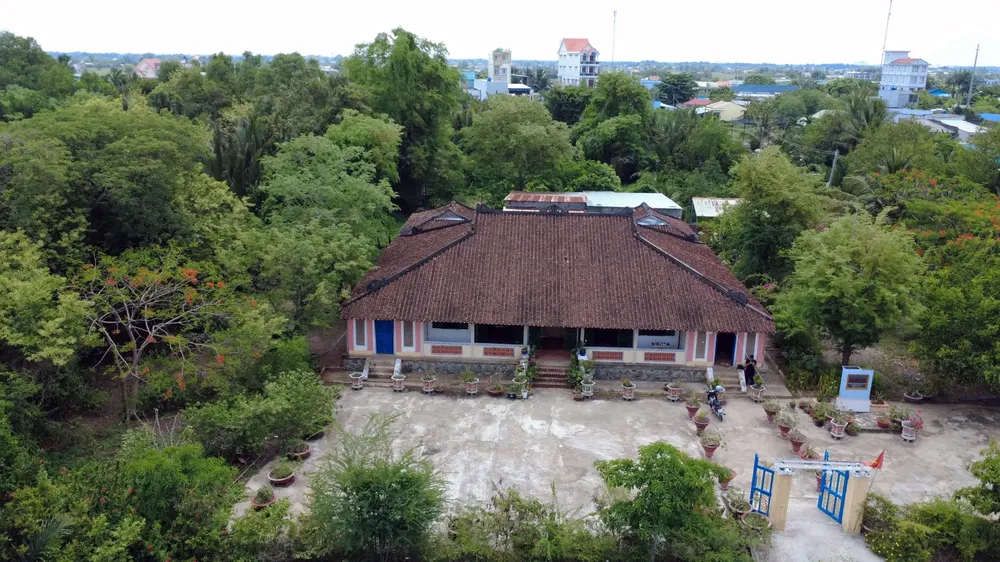
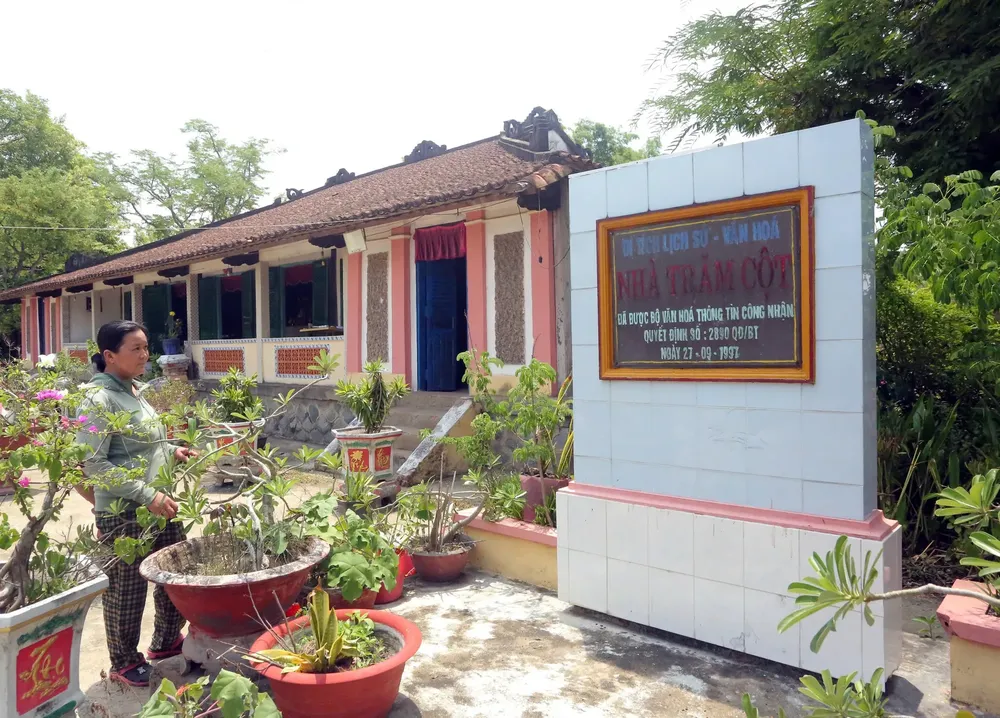
Located in Trung Hamlet, Long Huu Commune, Tay Ninh Province, the hundred-pillar house is one of the region's most distinctive architectural landmarks, blending the traditional architecture of Southern Vietnam with the elegant style of Hue garden houses. The site continues to preserve many remarkable cultural and artistic features.
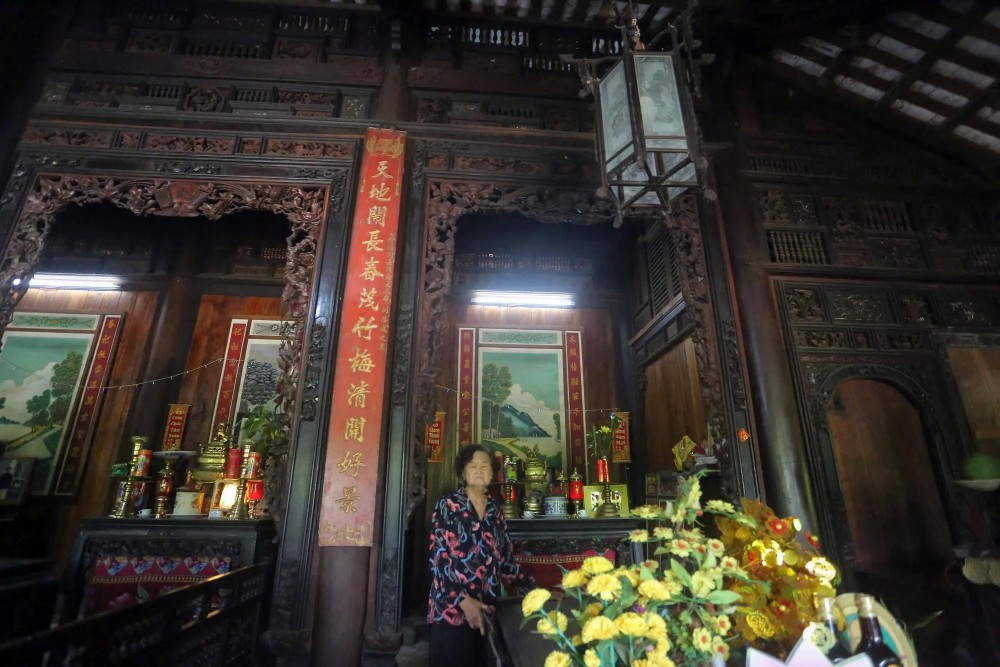
The house was commissioned by Tran Van Hoa, who served as a council member in Can Duoc during the French colonial period. Construction began in the late 19th century.
According to Tran Thi Ngo, 79, Hoa's granddaughter and the current owner of the house, Tran Van Hoa invited about 15 skilled artisans from Hue to the South and acquired valuable timber, including Siamese rosewood, Afzelia hardwood, honey-colored hardwood and Pyinkado wood, for the project.
Construction, carving and decorative work took approximately five years to complete.
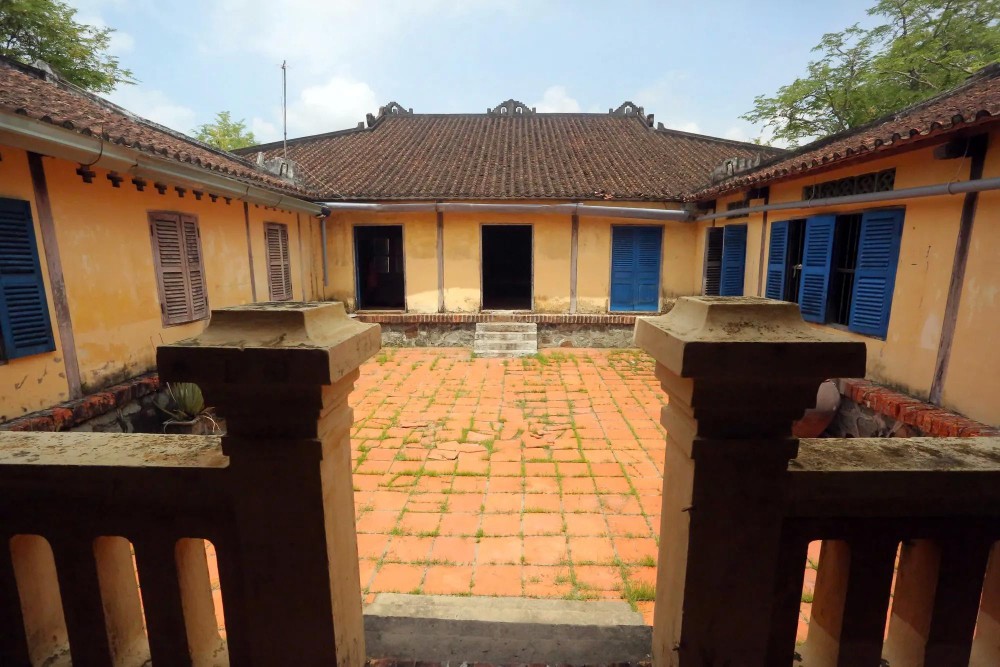
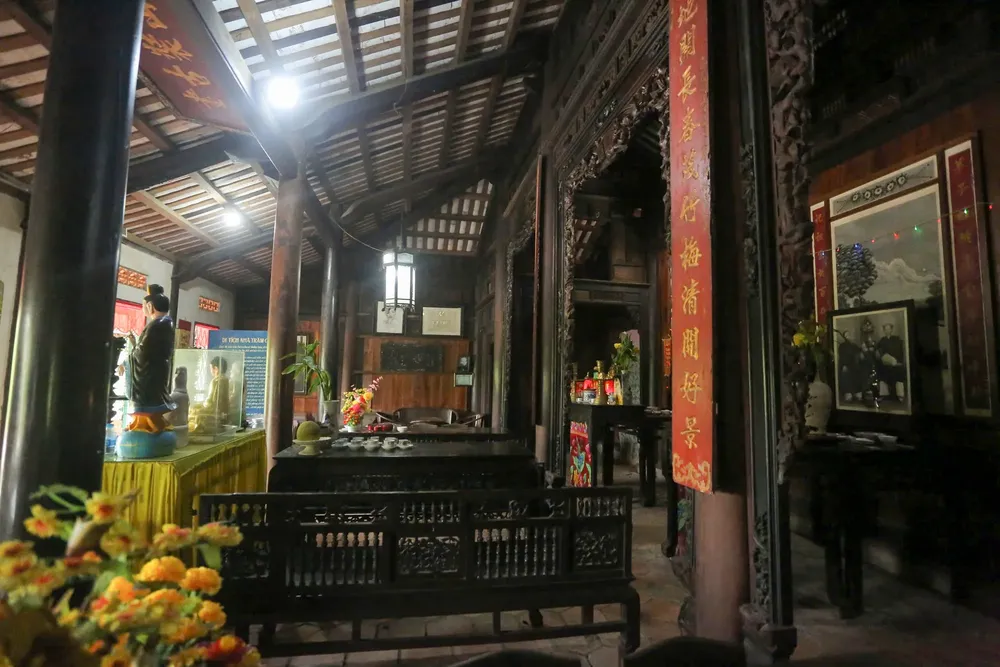
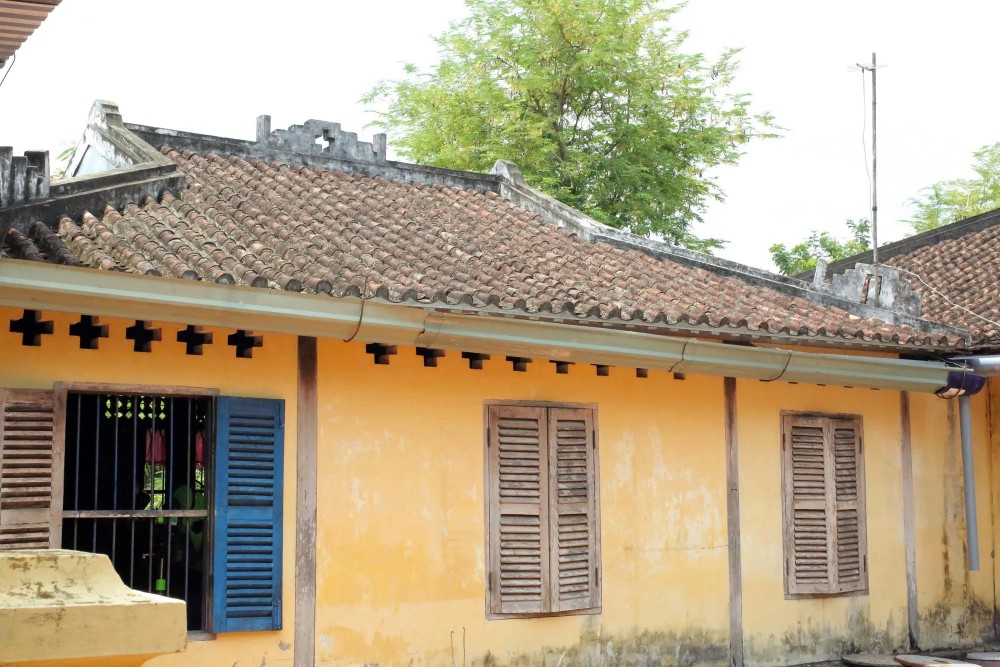
The house has a floor area of 882 square meters and stands within a compound of more than 4,000 square meters, facing northwest. Built entirely of wood, the structure features a yin-yang tiled roof, a stone foundation raised 0.9 meters above ground level and floors paved with hexagonal clay tiles.
Its structural design reflects the traditional nha ruong (Traditional Vietnamese wooden house) style. The house consists of three main compartments and two side wings. The front section follows the traditional arrangement of a guest reception area separated from the ancestral worship space while the rear section serves as the family's living quarters.
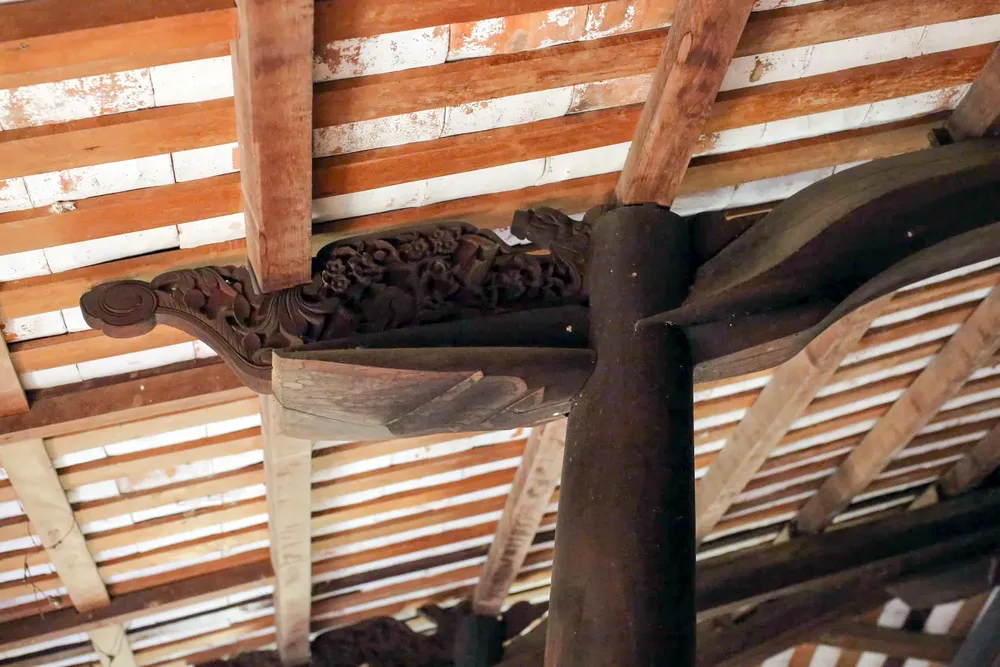
The most distinctive feature of the property is its system of 120 wooden pillars, both round and square, distributed throughout the structure. After more than 120 years, many of the precious wooden columns remain sturdy and largely unaffected by termites.
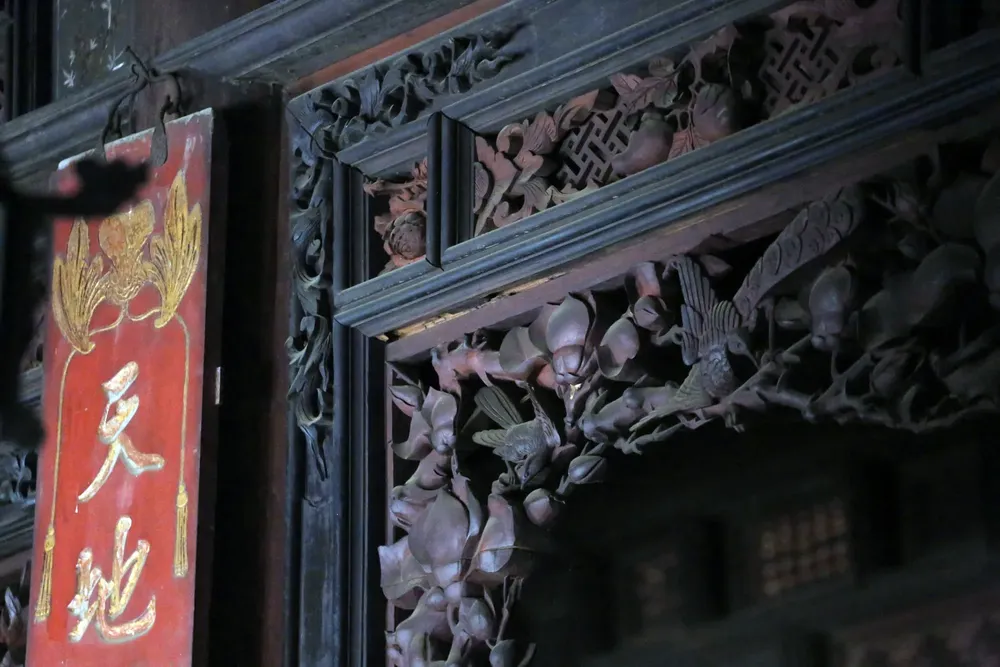
Researchers say the hundred-pillar house strongly reflects Nguyen Dynasty architectural influences, particularly the characteristics of Hue garden houses, while also incorporating elements of Southern Vietnamese culture. Its beams, trusses and decorative panels are intricately carved with traditional motifs such as the Four Sacred Creatures, the Four Noble Plants, lotus flowers and the Eight Precious Objects. The house also features decorative details influenced by Western art, including roses and grape clusters.
On September 27, 1997, the Ministry of Culture and Information, now the Ministry of Culture, Sports and Tourism, designated the hundred-pillar house a National Historical and Cultural Relic.
Beyond its architectural significance, the site serves as a valuable testament to the cultural and historical life of Southern Vietnam in the late 19th and early 20th centuries.