Ho Chi Minh City is undergoing rapid population aging, compounded by shrinking household structures, high population density, and a rising burden of non-communicable chronic diseases. These pressures are creating an urgent need for a professional, comprehensive, and humane long-term care system for the elderly.
Supply falls short of demand
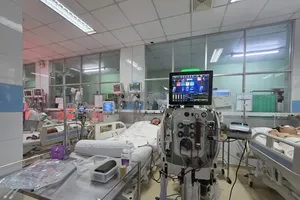
Struggling to find a suitable place for her mother, who is over 80 and living with dementia, Le Thi Bich, 50, a resident of Xuan Hoa Ward, said her family was willing to pay high fees in exchange for a facility with qualified medical staff, green space, and proximity to home so relatives could visit daily. Yet after days of searching online forums and visiting facilities in person, they have found no satisfactory option. High-quality private nursing homes are consistently full, while hospitals only provide acute care and cannot accommodate long-term stays.
According to Pham Binh An, Deputy Director of the Ho Chi Minh City Institute for Development Studies, the city is home to over 1.6 million elderly residents, which constitutes 11 percent of the total population, the highest percentage in the country. Nevertheless, there are only 36 care facilities that cater to just over 3,500 elderly people across both the public and private sectors. Among these, 10 public institutions play a crucial role, providing care for more than 2,200 senior citizens, particularly those in special circumstances or in need of full-time assistance. The remaining 26 non-public facilities accommodate over 1,300 individuals in response to the Government's call for social investment.
Many small- and medium-scale facilities have been recognized for effective operations, including Binh My Elderly Care Center, Thien An Social Protection Center for the Elderly, Vinh Son Charity Nursing Home, Vuon Lai 2 Nursing Home, Binh My Gold Elderly Care Facility, and Trung Xuan Thu Elderly Care Center. However, most still operate under traditional residential care models. Service costs in the private sector remain high, exceeding the affordability of many middle- and low-income families.
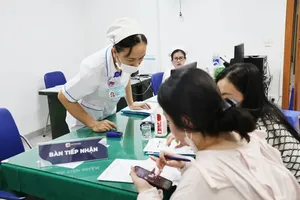
Huynh Minh Chin, deputy director of the municipal Department of Health, noted that Ho Chi Minh City not only has the largest population in the country but is also among the fastest-aging localities. Urbanization and modern lifestyles are reshaping traditional family structures. Multi-generational households are becoming less common, replaced by nuclear families or young people living independently for work. Generational gaps, economic pressures, and labor migration have made family-based elderly care increasingly difficult, driving demand for professional care services, particularly nursing homes and elder care centers.
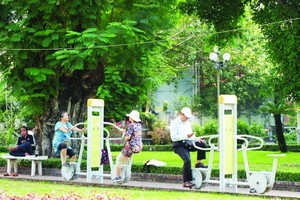
“In this context, the development of nursing homes is no longer optional but an urgent necessity in modern society,” Chin said. “Today’s nursing homes should not be seen merely as end-of-life care facilities, but as safe, humane living environments where the elderly can maintain physical and mental well-being and continue participating in appropriate social activities.”
Ensuring equitable access to services
Deputy Director Vo Thanh Toan of Thong Nhat Hospital said the number of elderly people in Ho Chi Minh City continues to rise and may be even higher due to patients arriving from other provinces for treatment. Private nursing homes with better facilities and services often charge fees beyond the reach of most middle- and low-income seniors. Meanwhile, public facilities remain limited in number and resources, unable to meet growing demand. This underscores the need for stronger state involvement in policymaking, promotion of social investment, and ensuring equitable access to elderly care services.
Population aging is inevitable, but its pressure on the social welfare system can be mitigated with timely and coordinated preparation. Expanding the network of nursing homes, strengthening social and healthcare policies, investing in age-friendly infrastructure, and shifting societal perceptions are interlinked solutions. This is not only a challenge but also an opportunity for Ho Chi Minh City to pioneer an urban model that adapts to population aging, moving toward a more humane and sustainable society.
Medical experts emphasize that, in the current aging context, the city’s elderly care system needs to be restructured. A multi-tiered service model is seen as a viable approach. Rather than treating nursing homes as the sole or central form of care, services should be organized into a continuum aligned with varying levels of dependency and actual needs. This model includes home-based care, day care and semi-residential services, assisted living, nursing homes, inpatient long-term care, and palliative and end-of-life care. Such an approach ensures appropriate, timely service delivery while avoiding resource inefficiencies caused by overdeveloping intensive residential facilities.
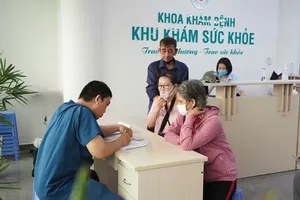
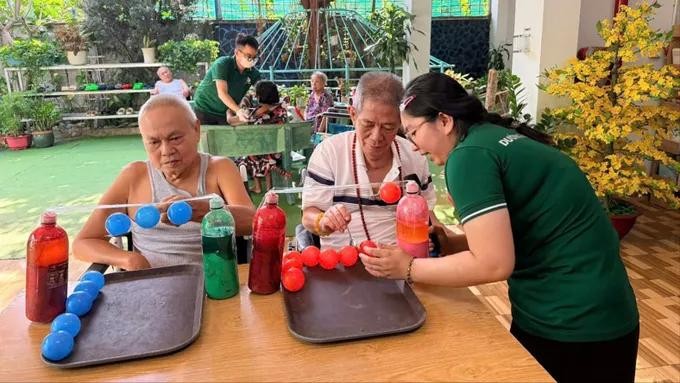
Within this multi-tiered system, home- and community-based care forms the foundation, covering the largest segment of elderly individuals who remain relatively independent or require only partial assistance with daily activities. Professionally supported home care services, combined with health monitoring and basic rehabilitation, help extend independent living and improve quality of life. At the same time, day care centers provide spaces for social interaction, therapy, and community engagement. At higher levels, assisted living and residential nursing facilities serve as specialized care for those with greater dependency, chronic illnesses, or cognitive decline.
The development of these models must be closely aligned with urban planning to avoid excessive concentration in central areas where land is scarce and operating costs are high. At the same time, palliative and end-of-life care should be integrated in a humane and professional manner, ensuring comprehensive physical and emotional support in the final stages of life.
Building modern, multi-functional nursing home centers
Deputy Director Nguyen Tang Minh of the municipal Department of Health said the city aims by 2030, with a vision to 2045, to establish several modern, multi-functional nursing centers on par with regional standards. The development of elderly care services will be closely integrated with the healthcare system, health insurance, traditional medicine, and social work, ensuring comprehensive care for all elderly individuals. In parallel, the city will prioritize the implementation of a master plan for developing various nursing home service models, while encouraging public-private partnerships to mobilize businesses and social organizations to invest in infrastructure and deliver high-quality care services.