The Standing Committee of the Ho Chi Minh City Party Committee has issued Resolution No. 09-NQ/TU on improving the quality of grassroots officials. A key focus of the resolution is the development of a comprehensive, multi-dimensional evaluation system, including KPIs for officials, civil servants and public employees.
Under the new framework, officials will be assessed based on multiple criteria, including task performance, quality of service to citizens and businesses, inter-agency coordination capacity and adherence to discipline, integrity and public service ethics. Evaluation results will be conducted periodically and disclosed in accordance with regulations.
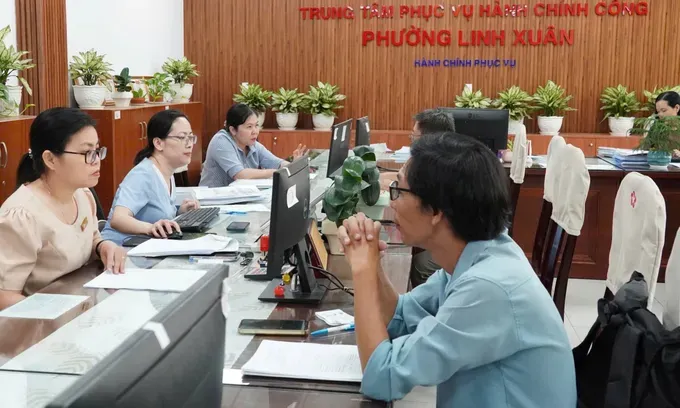
According to the municipal Party Committee, following administrative restructuring, the city’s grassroots workforce has generally been reorganized in line with requirements and has adapted to new conditions. However, challenges remain, including heavy workloads, a shortage of experienced personnel in certain positions, frequent staff changes, and the absence of clear competency frameworks for specific roles.
To address these issues, the city will continue to review and restructure personnel, strengthen training and capacity building, and accelerate digital transformation. A “dynamic and open” approach to personnel planning will be adopted, allowing for regular updates and adjustments to ensure readiness for assigned tasks. The city is also considering piloting competitive recruitment for leadership and management positions, alongside special mechanisms to attract qualified talent.
The resolution sets out key targets for 2030, including ensuring all grassroots officials hold at least a university degree and are equipped with digital skills; increasing the proportion of young and female officials in leadership planning; and standardizing management training for all leadership positions.
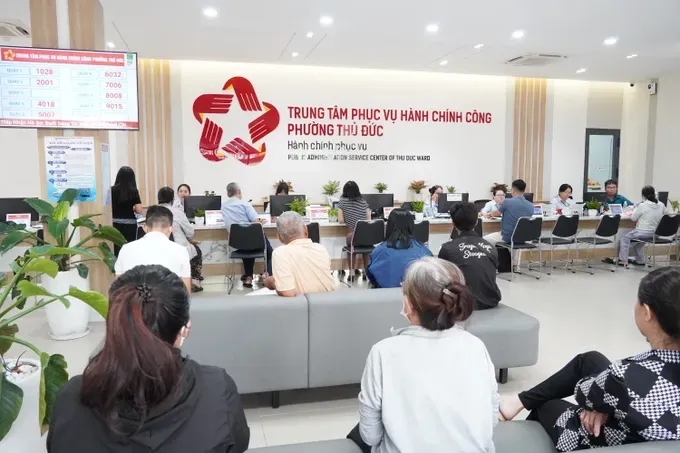
The city has set the following targets for 2030:
100 percent of Party secretaries, People’s Committee chairpersons and heads of Party inspection committees at the commune level will be non-local appointees.
100 percent of grassroots officials and civil servants will hold at least a university degree and receive training in digital skills.
100 percent of officials will be trained in state management skills appropriate to their leadership or managerial positions.
At least 20 percent of officials in leadership planning are under 42 years old, and at least 25 percent are women.
20–25 percent of key leaders and standing committee members at the commune-level Party committees will be under 42 years old; women will account for 20–25 percent of Party committee members, with female representation in standing committees.
A major priority is to strengthen administrative discipline and strictly handle violations, particularly those related to corruption, wastefulness, and lack of responsibility. At the same time, the city aims to create an enabling environment that encourages innovation, creativity and accountability among officials.
Notably, Ho Chi Minh City will build an integrated database of public officials from the city to the grassroots level, while investing in AI applications, virtual assistants and management software. These tools are expected to reduce workload pressure, shorten administrative processing times, and enhance transparency and fairness in evaluating public service performance.