The outbreak of this cluster in a school setting has raised an urgent need to step up surveillance, early detection, and risk control to prevent further spread, especially given that the disease can progress rapidly and cause severe complications or death within a short timeframe.
Risk of death within 24 hours
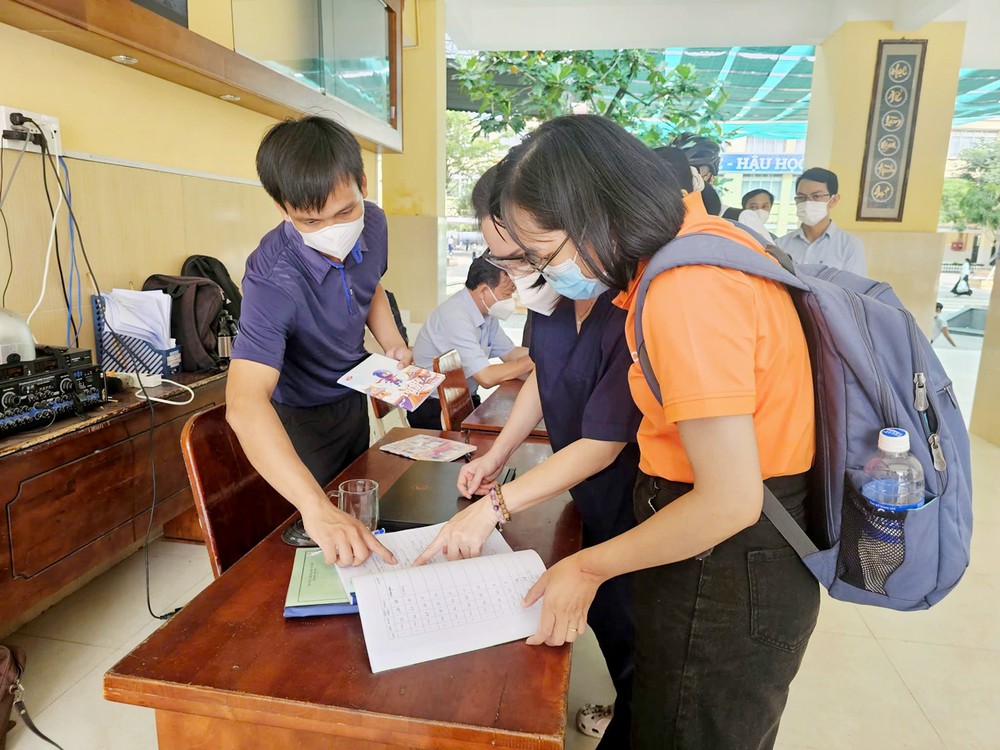
On October 17, the HCMC Department of Health reported to the municipal People's Committee and the Ministry of Health on the meningococcal situation in the city.
According to the report, between October 14 and 17, the city recorded four students at Hai Ba Trung Junior High School in Hiep Phuoc Commune infected with meningococcal disease, with epidemiological links within the school environment.
Among these cases, one student died and two are undergoing treatment at the Hospital for Tropical Diseases. Immediately after detecting the cases, HCMC health authorities urgently implemented epidemiological investigation measures, contact tracing, health monitoring, and infection risk management across the school and community.
According to Dr. Nguyen Thi Kim Anh, Deputy Head of the Child Health Department at Children's Hospital 2 in HCMC, the danger of meningococcal disease lies in the difficulty of early diagnosis. During the first 8 to 15 hours, the disease is often mistaken for respiratory illnesses due to signs like fever, headache, and fatigue.
Meanwhile, typical symptoms of meningococcal disease such as petechiae rash, stiff neck, or impaired consciousness usually appear late, after 13 to 22 hours. The fatality rate for meningococcal disease ranges from 8 to 15 percent; for untreated cases, the mortality rate can reach up to 50 percent.
Approximately 10 to 40 percent of survivors suffer from at least one long-term sequela, such as limb amputation, hearing loss, permanent brain damage, or severe psychological disorders. The highest-risk group for meningococcal disease is children under 5 years old, especially infants under 1 year old, followed by adolescents and young adults aged 15 to 24.
Schools and hospitals stand ready to respond
Currently, numerous schools across Ho Chi Minh City have stepped up communications and guided parents on monitoring student health. Nguyen Binh Primary School (Nha Be Commune) issued recommendations for students to maintain personal hygiene, get vaccinated against the disease, and visit medical facilities immediately upon showing suspicious symptoms. Close contacts of confirmed cases must be advised to take prophylactic antibiotics.
Tran Be Hong Hanh, Principal of Nguyen Thai Hoc Primary School (Ben Thanh Ward), said the school has informed parents about the meningococcal cluster in Hiep Phuoc Commune while requesting a review of children's vaccination histories.
During school hours, medical staff and homeroom teachers regularly monitor student health, promptly notifying parents to take their children for medical examination on the same day if abnormal signs are detected.
Cao Thi Thien Phuc, Head of the Student Affairs Office under the HCMC Department of Education and Training, stated that the department will continue coordinating with the Department of Health to evaluate epidemiological risks. At the same time, it requires schools to step up sanitation, monitor student health, and promptly notify health authorities upon detecting suspected cases.
According to Dr. Nguyen Van Vinh Chau, Deputy Director of the HCMC Department of Health, the department has issued a document directing the HCMC Center for Disease Control to urgently conduct epidemiological investigations, verify meningococcal cases, compile a list of close contacts, monitor their health for 10 days, and administer prophylactic antibiotics as indicated. Mass testing or expanding the scope of medication recipients without professional grounds is strictly prohibited.
HCMC Department of Health Deputy Director Nguyen Van Vinh Chau instructed medical examination and treatment facilities to step up screening, particularly for cases of acute fever accompanied by purpura rash, consciousness disorders, convulsions, or shock. Intravenous antibiotic treatment must be administered within the first hour of suspected infection without waiting for test results.
Top-tier specialized hospitals including Hospital for Tropical Diseases, Children's Hospital 1, Children's Hospital 2, and City Children's Hospital stand ready to receive, treat, and conduct 24/7 consultations, ensuring an ample supply of medications and medical equipment to respond to the outbreak.
The Vietnam Administration of Disease Prevention has called for the containment of a cluster of meningococcal disease cases in Ho Chi Minh City, mandating a 10-day monitoring period for close contacts and the appropriate, indicated use of prophylactic antibiotics.
On the evening of October 17, the Vietnam Administration of Disease Prevention under the Ministry of Health issued an urgent notice regarding a cluster of three cases of meningococcal infection among students at Hai Ba Trung Secondary School in Ho Chi Minh City’s Hiep Phuoc Commune, one of which resulted in a fatality.
The cluster was identified between October 14 and 16. All three individuals are students at Hai Ba Trung Secondary School and have tested positive for meningococcus.
One student, H.H.K. (born in 2014, class 7A5), began experiencing headaches on October 12, followed by a fever and rash on October 14. The condition rapidly progressed to septic shock and fulminant multi-organ failure, leading to the student's death that same day at the Hospital for Tropical Diseases.
The second student, N.A.B.M. (born in 2014, class 7A2), who had daily close contact with the first case, is currently in stable condition and remains under close medical observation and treatment.
The third student, N.T.A.Q. (born in 2014, class 7A2), who was also a close contact of the affected students, was admitted to the Hospital for Tropical Diseases on October 15 and tested positive for the bacteria. This student is currently in isolation, receiving treatment, and being closely monitored.
Immediately upon identifying the cluster of cases, the Vietnam Administration of Disease Prevention directed the Pasteur Institute in Ho Chi Minh City and the Ho Chi Minh City Department of Health to coordinate with relevant agencies to implement control measures and address the outbreak.
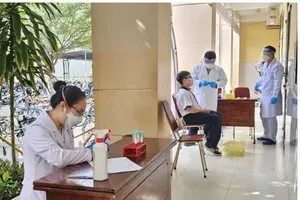
Health authorities have compiled a list of all close contacts at schools and within families; they are conducting monitoring, testing, and close health surveillance for a period of 10 days. Additionally, they are coordinating a thorough cleaning and disinfection of schools and classrooms, while providing guidance to students on personal hygiene practices.
According to the Vietnam Administration of Disease Prevention, meningococcal disease is a dangerous acute infectious illness that can, however, be effectively prevented and controlled. Therefore, the public is urged to heighten their awareness of disease prevention and proactively take steps to protect their own health, as well as the health of their families and the community.
Individuals who have been in close contact with patients should closely monitor their own health and promptly notify healthcare facilities or school officials to facilitate the implementation of required preventive measures.
The Vietnam Administration of Disease Prevention advises the public to seek immediate medical attention at the nearest healthcare facility if they exhibit symptoms suggestive of the disease, such as high fever, headache, nausea, a stiff neck, or the appearance of a petechial rash (hemorrhagic spots). Timely detection and treatment are crucial for minimizing the risk of severe complications and death.
Medical experts advised the public to regularly wash their hands with soap and clean water, rinse their mouth and throat with an antiseptic solution, wear face masks in public spaces and on public transportation and limit contact with individuals who are ill.









)