Deputy Prime Minister Pham Thi Thanh Tra signed Decision No. 1954/QD-TTg approving the pharmaceutical chemical industry development program to 2030, with a vision to 2045, setting a target that 100 percent of active pharmaceutical ingredient and excipient manufacturing facilities meet standards by 2030.
Specific targets by 2030 include Vietnam mastering, receiving, and transferring several advanced technologies; forming and developing domestic production of several essential, strategic, and competitively advantageous drug ingredients, prioritizing active ingredients, starting materials, intermediate chemicals, and excipients; and gradually building industrial production capacity and commercializing pharmaceutical chemical products.
The program also states the aim to meet approximately 20 percent of the demand for drug ingredients serving domestic medicine production, with priority given to raising the self-sufficiency rate for essential and strategic active ingredients and drug materials.
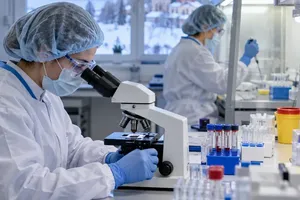
Additionally, it aims to establish at least two advanced research and development centers for pharmaceutical chemistry that meet international standards, equipped with the capacity to research, develop processes, test, scale up, transfer, and support the commercialization of technologies and pharmaceutical chemical products.
At the same time, the program strives to ensure that 100 percent of domestic manufacturing facilities for active ingredients, excipients, and other drug materials meet quality requirements, Good Manufacturing Practice (GMP), and chemical safety regulations according to the law and applicable standards for each product category; and that a minimum of 50 percent of manufacturing facilities apply digital solutions in production management, quality management, and traceability.
By 2045, the goal is for the country's pharmaceutical chemistry sector to become a high-tech industry.
To achieve these goals, the program sets out tasks and solutions regarding institutions and law; science and technology, human resources, and training; international cooperation; trade promotion, information, and communications; and finance and investment.
Among these is the solution to strengthen linkages among enterprises, higher education institutions, and research institutes in training according to the actual needs of businesses, as well as developing retraining, advanced training, and job-position-based training programs to meet the development requirements of the pharmaceutical chemical industry and international integration.



)