The increase has prompted health authorities to step up surveillance and urge residents, particularly older adults and people with underlying medical conditions, to take preventive measures against respiratory infections.
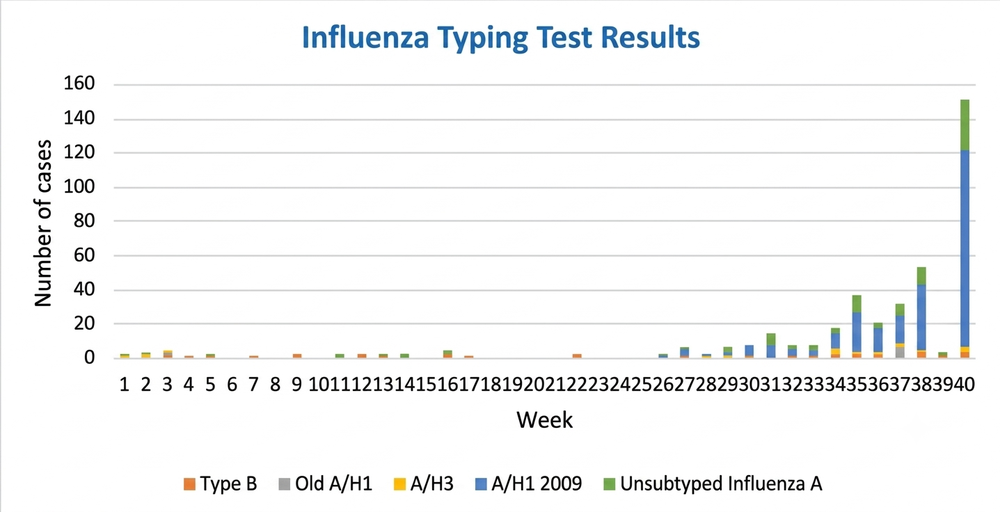
Hospital reports show that influenza is among the pathogens on the rise. A total of 151 samples tested positive for influenza during epidemiological week 40, from October 2 to 8.
Further testing identified influenza A as the predominant type, with the A/H1N1 2009 strain accounting for 116 samples, or nearly 77 percent of all positive samples.
“The simultaneous increase in acute respiratory illnesses, including influenza A/H1N1 2009, requires the public to remain vigilant and proactively adopt preventive measures to limit transmission in the community,” HCDC said.
The agency attributed the surge partly to seasonal weather transitions, which coincide with students returning to schools and universities, creating favorable conditions for respiratory pathogens to spread.
To contain the outbreak, HCDC will continue monitoring the pathogens responsible for acute respiratory infections across the city. Specimens are being proactively collected for testing at 29 healthcare facilities, including hospitals and regional medical centers, alongside close surveillance of clusters of cases in the community.
HCDC will continue monitoring respiratory infections and circulating viral strains to identify emerging risks and recommend timely interventions.
As cases are expected to remain high, residents are urged to maintain good hygiene and take preventive measures. Older adults and people with underlying medical conditions should be particularly cautious because they face a higher risk of severe illness and complications.
Residents should wash their hands frequently with soap and water and cover their mouths and noses with a tissue or elbow when coughing or sneezing. Those experiencing fever, cough, sore throat, or a runny nose should wear face masks, limit close contact with others, and seek medical advice promptly.
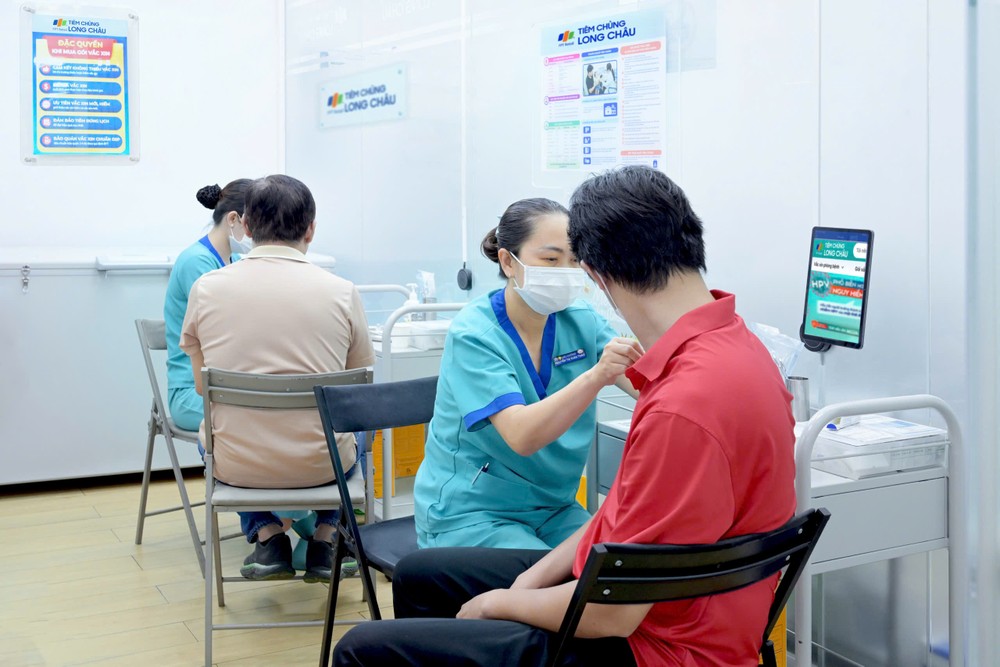
Annual influenza vaccination is also recommended to reduce the risk of infection and protect vulnerable groups, particularly older adults and people with underlying health conditions.





)