On October 16, the Ho Chi Minh City Department of Health said that after three students at Hai Ba Trung Secondary School in Hiep Phuoc Commune were diagnosed with group B meningococcal disease, one of whom died, it had urgently directed healthcare units to coordinate with the education sector and local authorities to implement coordinated measures for disease surveillance, epidemiological investigations, and prevention and control of the risk of further transmission.
As of the afternoon of October 16, health authorities had confirmed three cases of group B meningococcal disease. Students with respiratory symptoms and a history of exposure are being assessed and monitored in accordance with professional guidelines.
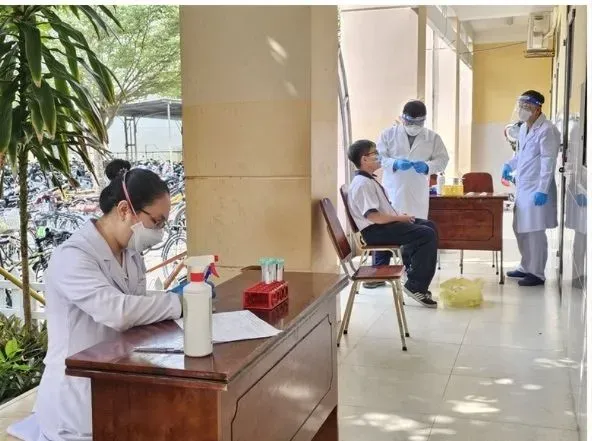
The Ho Chi Minh City Department of Health has instructed the Ho Chi Minh City Center for Disease Control (HCDC) to coordinate with the education sector, local authorities, and the school to continue monitoring students’ health, particularly those who had close contact with confirmed cases. Any students developing suspected symptoms must be promptly identified, advised to seek medical examination, and given appropriate care.
According to the department, temporarily suspending classes or closing an entire school is neither mandatory nor a routine measure whenever a case is reported. Key measures include early detection, case management, identification of close contacts, antibiotic prophylaxis when indicated, and consideration of vaccination when supported by appropriate medical advice.
The Department of Health will continue coordinating with the Department of Education and Training to assess the actual risk, teaching and learning conditions, and the ability to ensure the safety of students and teachers. Any necessary adjustments to school operations will be considered based on epidemiological assessments and decisions by the competent authorities.
Meanwhile, the school has been instructed to maintain personal hygiene and respiratory hygiene measures, ensure adequate ventilation in classrooms, monitor student absences, and promptly notify health authorities of any students showing unusual symptoms.
HCDC and other healthcare units are continuing to review and finalize lists of close contacts at the school, in families, and at other relevant locations, ensuring that antibiotic prophylaxis is administered to the appropriate individuals, when indicated, and in accordance with professional guidelines.
The Department of Health stressed that not all students at the school need antibiotic prophylaxis. Eligibility depends on the nature and extent of contact with confirmed cases, as assessed by healthcare professionals. Parents should not buy or give antibiotics to their children without a prescription or direction from a healthcare professional. Those who have received antibiotic prophylaxis must continue monitoring their health and seek immediate medical attention if suspected symptoms develop.
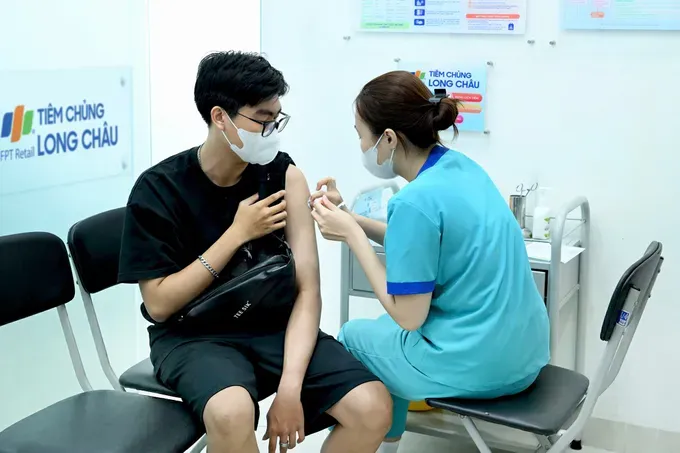
According to the Ho Chi Minh City Department of Health, vaccines are now available to protect against group B meningococcal disease. However, meningococcal vaccines differ in the range of protection they provide, so vaccination should be based on age, health status, vaccination history, and professional guidance.
The department advised parents and the public to remain calm without becoming complacent or alarmed, follow health authorities’ guidance, avoid spreading unverified information, and monitor official updates from the health sector, schools, and local authorities.
The Ho Chi Minh City Department of Health will continue to closely monitor developments, proactively implement appropriate control measures, provide timely updates, and coordinate with relevant agencies to protect the health of students, teachers, and the wider community.
Earlier, on October 14, the Ho Chi Minh City Center for Disease Control (HCDC) received a report that a student born in 2014 at Hai Ba Trung Secondary School in Hiep Phuoc Commune had been diagnosed with fulminant meningococcal disease, which progressed to septic shock and multiple organ failure. Test results confirmed group B meningococcal infection. Despite intensive treatment, the child died later that day.
Also on October 14, another student from the same school was admitted to the Hospital for Tropical Diseases and diagnosed with group B meningococcal meningitis. The child’s condition is currently relatively stable, and treatment is ongoing.
On the morning of October 15, a third student from the same class, who sat at the same desk as the student who died, developed a fever and was taken to the Hospital for Tropical Diseases. By the morning of October 16, PCR tests of blood and cerebrospinal fluid confirmed group B meningococcal infection. The child is conscious, has stable vital signs, and is receiving isolation and treatment.
Upon receiving the first case report, the Ho Chi Minh City Department of Health directed HCDC, the Hospital for Tropical Diseases, Children’s Hospital 1, Nha Be General Hospital, and other relevant units to urgently conduct epidemiological investigations, identify close contacts, provide antibiotic prophylaxis when indicated, monitor students’ health, and implement disease prevention measures at the school.
HCDC has coordinated with the Hiep Phuoc Commune health station and the school to review lists of students, teachers, and others who had close contact with the cases. It has also provided guidance on personal hygiene, respiratory hygiene, environmental sanitation, and health monitoring.
According to Dr. Le Thi Giao Thi, a specialist level I physician with Long Chau Pharmacy and Vaccination System, meningococcal disease is a dangerous infectious disease that can progress rapidly. Initial symptoms may resemble those of the flu before the illness develops into meningitis, septicemia, septic shock, and multiple organ failure and can even cause death within 24 hours.
The disease can affect people of all ages, but young children, adolescents, people with weakened immune systems, and those who frequently spend time in crowded settings face higher risks. Of particular concern, people carrying the bacteria may have no symptoms but can still transmit the infection to others through respiratory secretions during close contact.
Anyone experiencing symptoms such as high fever, severe headache, a stiff neck, drowsiness, cold hands and feet, or a purplish rash should be taken to a healthcare facility immediately without waiting for all symptoms to appear.
To help prevent the disease, people should maintain good personal hygiene, limit close contact with infected individuals, avoid sharing personal items, and receive appropriate vaccination. Close contacts of confirmed cases should also seek medical assessment promptly to determine whether antibiotic prophylaxis is needed. They should never take antibiotics without medical guidance.







)