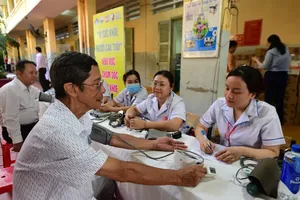
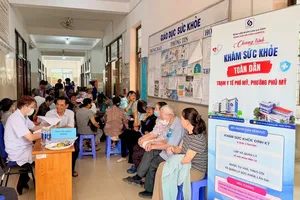
The Ministry of Health has recently issued the National Criteria for Commune Health for the 2026–2035 period, applicable to communes, wards, and special zones nationwide. The set of criteria establishes requirements regarding periodic health examinations, management of non-communicable diseases, electronic health records, and primary healthcare delivery capacity at the local level.
Periodic health examinations designated as key benchmark
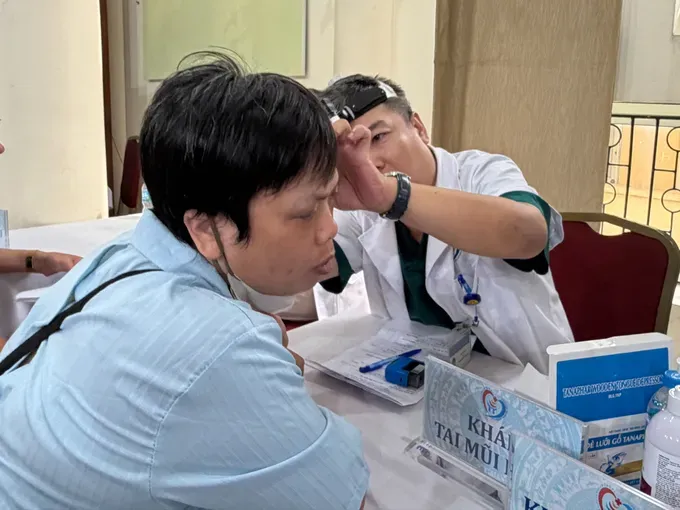
A notable provision of the new framework requires residents to undergo periodic health examinations or free screening at least once a year. Starting in 2027, if a commune's coverage rate falls below 80 percent, it will fail to satisfy the National Criteria for Commune Health during the evaluation period.
This requirement places direct responsibility on local authorities and health agencies to organize community health checkups and disease screenings, facilitating early detection of health risks and expanding public access to healthcare services.
The criteria also emphasize the detection, diagnosis, treatment, and management of non-communicable diseases and mental disorders within the community. For individuals with hypertension or diabetes currently receiving managed care at commune-level health stations, the framework mandates periodic kidney function evaluations in accordance with guidelines from the Ministry of Health. This aims to bolster the role of primary healthcare units in long-term health management beyond basic medical consultations.
Accelerating population health management
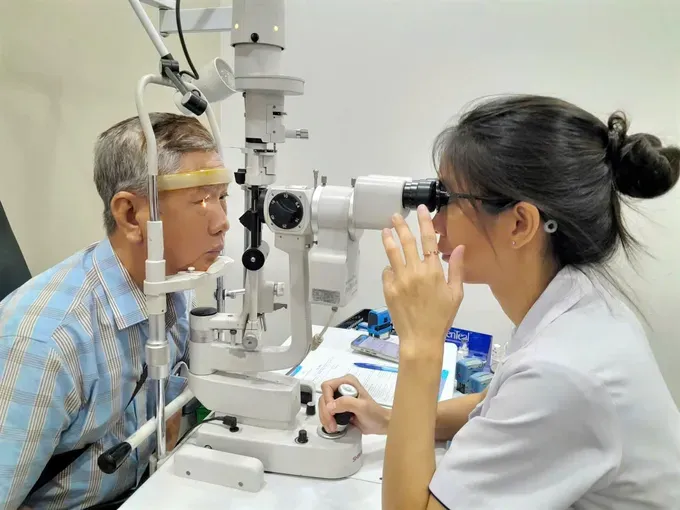
The criteria mandate the creation of health records and the continuous updating of personal medical data through each patient visit at commune-level health stations, alongside public awareness campaigns guiding residents on how to use health record management applications.
Starting in 2027, any commune where fewer than 90 percent of residents have electronic health records established and managed across their life cycle will fail to meet the national health criteria during evaluation. Updating health data is expected to support continuous health monitoring, enable early identification of disease risks, and improve the efficiency of local healthcare management and care delivery.
To maximize effectiveness, electronic records must be thoroughly and accurately updated and actively utilized during medical examinations and treatment. This requirement becomes especially critical as the population scale and coverage areas of numerous health stations shift following administrative unit restructuring.
Ensuring essential medicines and technical services at commune health stations

Under the new set of criteria, the formulary of drugs available at commune health stations must align with technical grading and local conditions as issued by provincial departments of health and must include essential emergency and anti-shock medications.
Commune health stations are also required to maintain adequate qualifications and professional capabilities to routinely perform technical services within their assigned duties. If the execution rate of authorized technical services falls below 50 percent, the commune will fail to meet the national health criteria.
The framework further addresses healthcare for the elderly and persons with disabilities: stations are responsible for providing home care to solitary elderly individuals in need as assigned and organizing day-care points for the elderly in the community per established regulations. Meanwhile, persons with disabilities are to receive health consultations and access appropriate rehabilitation services.
The National Criteria for Commune Health for the 2026–2035 period were promulgated alongside Decision No. 3138/QD-BYT on October 8, 2026, replacing the previous set issued in 2023. Evaluations will be conducted annually. A commune will be recognized as meeting national standards if it achieves at least 80 percent of the total score, scores at least 50 percent on each criterion, and incurs no disqualifying zero-point scores as stipulated by law.







)