The International Finance Corporation (IFC), a member of the World Bank Group, released its 2025 overview report on Vietnam’s green building market on January 21.
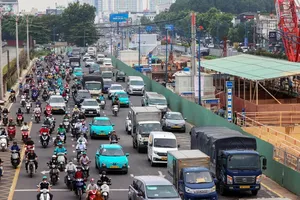
An IFC representative stated that Vietnam’s green construction market is accelerating rapidly, primarily driven by major urban centers, with Ho Chi Minh City playing a central role.
As of the end of 2025, the country had 780 completed and operational buildings that had officially obtained green building certification, with a combined total floor area exceeding 18.69 million square meters.
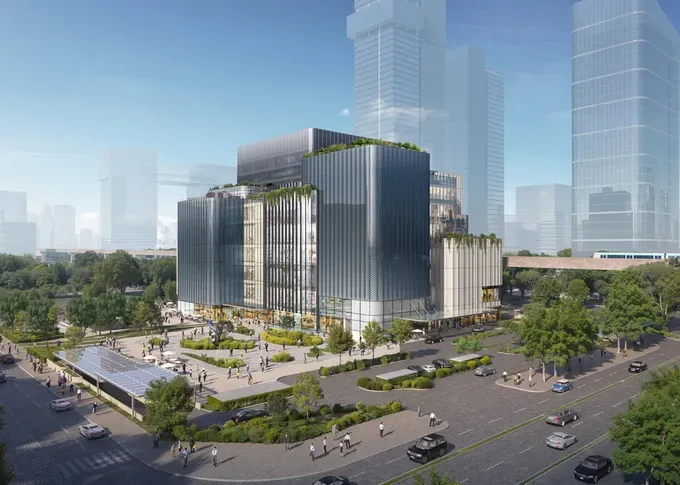
In 2025 alone, Vietnam recorded an additional 196 buildings achieving green certification—an increase of 20 percent from the previous year, with total certified floor area expanding by approximately 4.4 million square meters, the highest annual growth on record. The market is currently dominated by two international certification systems, EDGE (Excellence in Design for Greater Efficiencies) and LEED (Leadership in Energy and Environmental Design), which together account for nearly 90 percent of Vietnam’s total green building stock.
Specifically, EDGE certification, an IFC-developed green building rating system that emphasizes efficiency in energy, water, and materials, holds the largest market share. It covers 394 projects, representing more than 50 percent of all certified green buildings nationwide, with a combined certified floor area of approximately 8.38 million square meters. EDGE is particularly well-suited to large-scale residential developments, industrial facilities, and commercial real estate projects, given its focus on resource efficiency.
Ranking second is LEED certification—the green building rating system developed by the U.S. Green Building Council (USGBC), which focuses on design, energy performance, and environmental protection. LEED covers 290 projects, accounting for more than 37 percent of Vietnam’s total certified green buildings, with a combined certified floor area of approximately 7.73 million square meters. LEED is typically applied to projects with high technical, operational management, and international integration requirements, particularly in the office, mixed-use, and commercial and service segments.
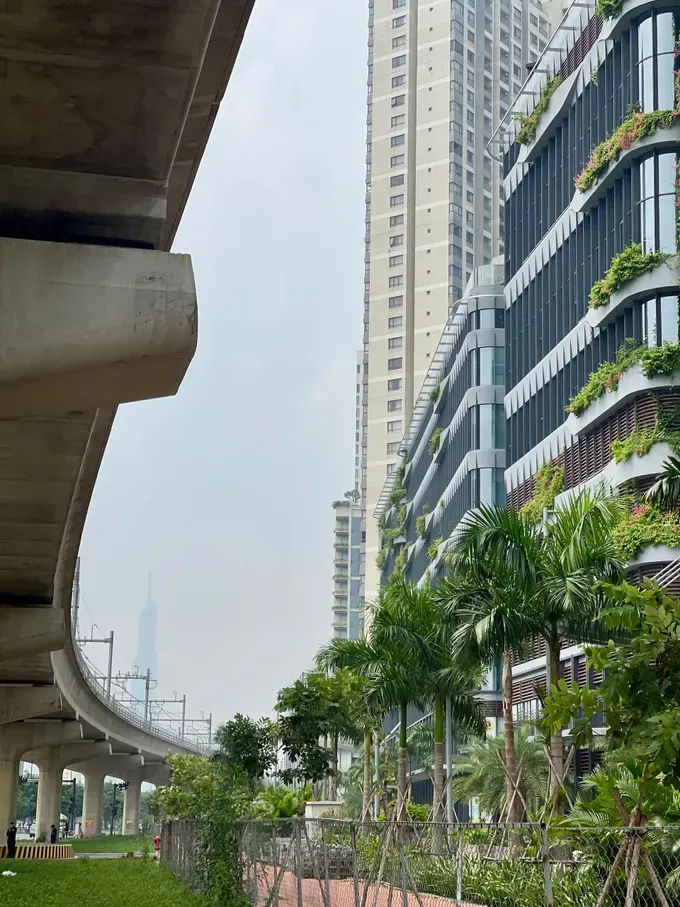
Beyond EDGE and LEED, other certification systems, such as LOTUS from the Vietnam Green Building Council (VGBC) and Singapore Green Building Council (SGBC), have continued to gain traction, contributing to diversity in green benchmarks across the market.
Ho Chi Minh City leads the country in total certified green building floor area, with more than 6.86 million square meters spanning a wide range of asset classes, including residential apartments, offices, retail spaces, industrial factories, and social housing. Hanoi ranks second with over 3.32 million square meters of certified green floor area, followed by Bac Ninh, Hai Phong, Tay Ninh, Hung Yen, Dong Nai, Gia Lai, Ninh Binh, and Quang Ninh.
This distribution indicates that green construction in Vietnam is no longer confined to major metropolitan areas but is increasingly spreading to industrial hubs and emerging development regions.
According to IFC, Ho Chi Minh City’s leadership in total certified green floor area reflects not only the scale of its urban development but also a clear shift in investment mindset, as standards such as EDGE and LEED are increasingly seen as benchmarks of project quality and competitiveness.





)